Launch Your Side Hustle
Identify Skills and Passions
Start With You
The best side hustle ideas don't come from lists of trending businesses. They come from you. Starting a venture based on your own skills and passions is the surest way to build something you'll actually stick with. When you enjoy the work, it doesn't feel like work. And when you're already good at it, you have a head start.
This isn't just about feeling good. It's a practical strategy. Your existing expertise is your most valuable asset. It's what will set you apart from others and give you the confidence to start. Let's figure out what your unique assets are.
The foundation of a successful side gig lies in aligning your venture with your passions and skills.
What Are You Good At?
First, let's take stock of your skills. Don't just think about your current job. Consider everything you can do, from professional abilities to personal talents. It can help to divide them into two categories.
Hard Skills: These are teachable abilities that are easy to quantify. Think of things like writing code, speaking a foreign language, carpentry, or graphic design. What technical skills have you learned in school, through work, or on your own?
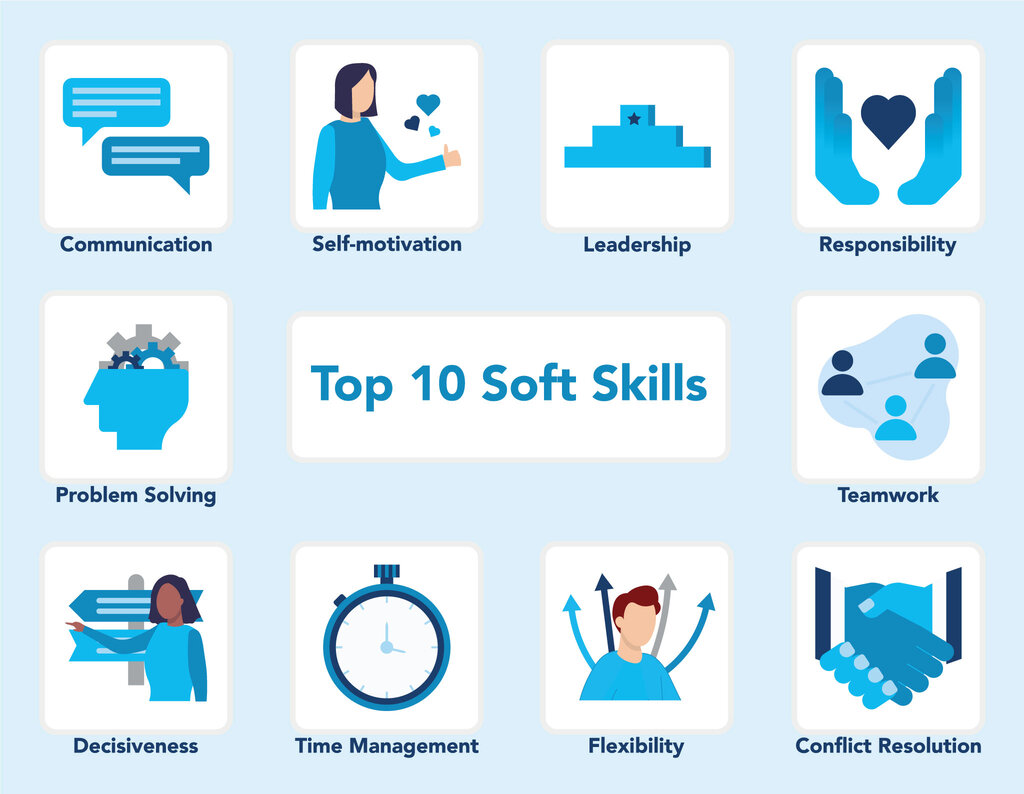
Soft Skills: These are interpersonal skills that describe how you work and interact with others. Examples include communication, problem-solving, time management, and leadership. Are you great at organizing events? Do people come to you for advice?
Grab a piece of paper or open a new note and list as many skills as you can in both categories. Don't judge them yet. Just get them all down. Think about what your friends, family, and coworkers praise you for. What tasks make you feel capable and confident?
Connect Skills to Opportunities
Now look at your list. The next step is to identify which of these skills are marketable. A skill is marketable if it solves a problem that people are willing to pay to fix. Your skill in coding could help a small business build a website. Your knack for organization could help a busy parent declutter their home.
For each skill on your list, brainstorm a few ways it could solve a problem for someone else. Think about what people complain about or struggle with. How can your abilities provide a solution?
Let's try an example. Maybe you listed these skills:
- Hard Skill: Excellent at baking sourdough bread.
- Soft Skill: Good at teaching others patiently.
How can you combine these? You could sell your bread at a local farmers' market. Or, you could leverage your teaching skill and offer sourdough baking workshops. One combines a hard skill with a direct product; the other combines it with a service.
| Skill | Potential Side Hustle Idea |
|---|---|
| Graphic Design | Create logos for new businesses |
| Fluent in Spanish | Offer translation services for documents |
| Great at planning parties | Become a freelance event coordinator for kids' birthdays |
| Home repair | Offer a local handyman service for small jobs |
Follow Your Passion
Skills are what you can do, but passions are what you love to do. The energy you get from a genuine interest is a powerful fuel for a side hustle. It will keep you motivated during late nights and weekends when you're just starting out.
What are your hobbies? What do you find yourself reading about or doing in your free time? Do you love gardening, playing video games, vintage fashion, or fitness? These interests are often packed with potential business ideas.
A passion for fitness could become a personal training service. A love for vintage fashion could turn into an online resale shop. Your passion provides the 'why' behind your hustle, making it more resilient and fulfilling.
Aligning your work with your interests isn't just for fun. It's a strategic advantage. Your enthusiasm will be contagious to potential customers and will shine through in the quality of your work.
Now it’s your turn. Look back at the skills you listed and circle the ones you genuinely enjoy using. Then, make a separate list of your hobbies and passions. The sweet spot for your perfect side hustle idea is where those two lists overlap.
According to the provided guidance, what is the most reliable source for a successful side hustle idea?
What defines a skill as 'marketable'?