Launch Your Side Hustle
Identify Skills
Start With What You Know
The best side hustle idea isn’t found in a list of trendy businesses. It starts with you. When you build on what you already know and enjoy, you’re more likely to stick with it when things get tough. A venture that taps into your genuine interests will feel less like work and more like a fulfilling project.
When you align your business idea with your skills and passions, you're more likely to stay motivated and succeed.
Let's start by taking stock of your unique abilities. Think about it in three main areas:
-
Professional Skills: What do you do at your day job? These are often your most developed skills. Are you a great writer, a spreadsheet wizard, or a project management expert? Don't overlook the abilities you use every day.
-
Hobbies and Passions: What do you do for fun? Skills from hobbies like baking, photography, woodworking, or playing an instrument are often marketable. If you love doing it, you'll be more motivated to build a side business around it.
-
Hidden Talents: What do friends and family ask for your help with? Maybe you’re the go-to person for planning parties, fixing computers, or giving great advice. These are skills people already value in you.
Take a few minutes to jot down 5-10 things for each of these categories. No idea is too small or silly at this stage. The goal is just to get everything out of your head and onto paper.
Find a Problem to Solve
Having a skill is one thing, but a successful side hustle uses that skill to solve a specific problem for a specific group of people. Your passion for baking becomes a business when it solves someone's need for a last-minute birthday cake. Your knack for organization becomes a service when it helps a busy parent declutter their home.
To find the connection between your talent and a real market need, try framing each of your skills as a solution. This simple shift in perspective is the key to identifying a truly marketable idea.
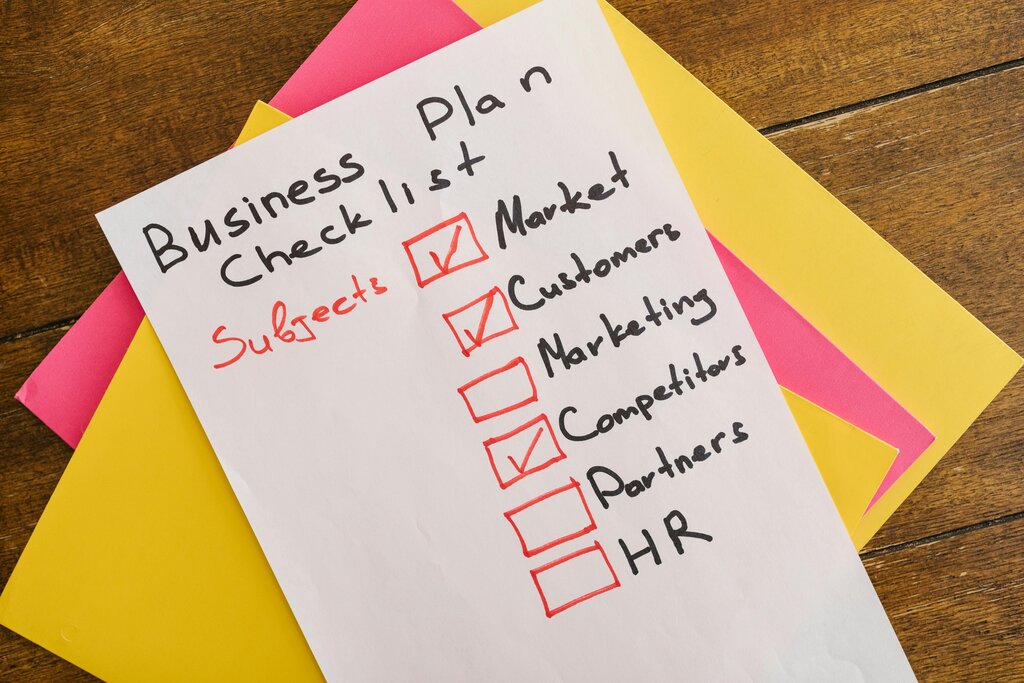
Use a simple chart to connect your skills to potential customers. For each skill or passion you listed, ask yourself two questions: What problem does this solve? And who has this problem?
| Skill or Passion | Problem It Solves | Who Has This Problem? |
|---|---|---|
| Example: Graphic Design | Small businesses need professional-looking logos and social media posts but can't afford a big agency. | Local startups, online creators, small non-profits. |
| Example: Meal Prepping | Busy professionals want to eat healthy but don't have time to cook every day. | Office workers, new parents, fitness enthusiasts. |
| Example: Dog Walking | Pet owners feel guilty leaving their dogs alone while they are at work. | People with 9-to-5 jobs, frequent travelers. |
This exercise helps you see your talents from a customer's point of view. A marketable idea lives at the intersection of what you're good at and what other people need.
Check Your Resources
Finally, a great idea needs to be practical. Before you get too attached to one concept, take a quick look at the resources you have available right now. This isn't about creating a detailed budget, but about being realistic.
Consider these three things:
-
Time: How many hours per week can you realistically dedicate to a side hustle? Be honest. An idea that requires 20 hours a week won't work if you only have 5.
-
Money: What's your startup budget? Many great side hustles can be started with less than $100 by focusing on services instead of products. A dog-walking business costs a lot less to start than a custom t-shirt company.
-
Tools: What equipment, software, or space do you already have? If you're a photographer with your own camera gear, you're already ahead. If you want to start a podcast but don't own a microphone, you'll need to factor that in.
The goal is to find an idea that fits your life right now. You can always grow and invest more later, but the best way to start is by starting small and using what you've got.
You've now got a list of potential side hustles that are based on your skills, solve a real problem, and fit your current resources. This is the foundation you'll build upon.