Launch Your Sales Business
Market Research
Why Guess When You Can Know?
Before launching a product or starting a business, you have a lot of questions. Who will buy this? Do people actually need it? How much would they pay for it? Market research is the process of answering these questions. It's about systematically gathering information about your potential customers, your industry, and your competition.
Market research isn’t a checkbox–it’s the foundation.
Think of it as reconnaissance. Instead of moving forward based on assumptions, you use data to make informed decisions. This reduces risk and dramatically increases your chances of success. By understanding the market, you can tailor your product, pricing, and marketing to what people actually want.
Gathering Your Information
There are many ways to collect market data. These methods generally fall into two categories: gathering new information directly from the source (primary research) or analyzing existing information (secondary research). Primary research gives you fresh, specific insights, while secondary research provides broader context from sources like industry reports and government statistics.
Here are a few common primary research methods:
Survey
noun
A list of questions aimed at extracting specific data from a particular group of people.
Surveys are great for collecting a large amount of quantitative data quickly. Think multiple-choice questions or rating scales sent out via email or online forms. They can help you spot broad patterns, like what percentage of your target audience prefers one feature over another.
Interviews are one-on-one conversations that allow for deep, qualitative insights. You can ask follow-up questions and dig into the “why” behind a person’s answers. This helps you understand motivations, frustrations, and the specific language customers use to describe their problems.
Focus groups bring a small number of people together to discuss a product or topic. The magic of a focus group is seeing the group dynamic. A comment from one person might spark a different idea in another, revealing insights you might not get from individual interviews.
Qualitative data is about the why (feelings, opinions), while quantitative data is about the what and how many (numbers, statistics).
Analyzing the Landscape
Once you've collected your data, the next step is analysis. This is where you turn raw information into a clear picture of the market.
You'll look for market trends. Are consumers spending more on sustainable products? Is there a growing demand for at-home services? Understanding these shifts helps you position your business for the future.
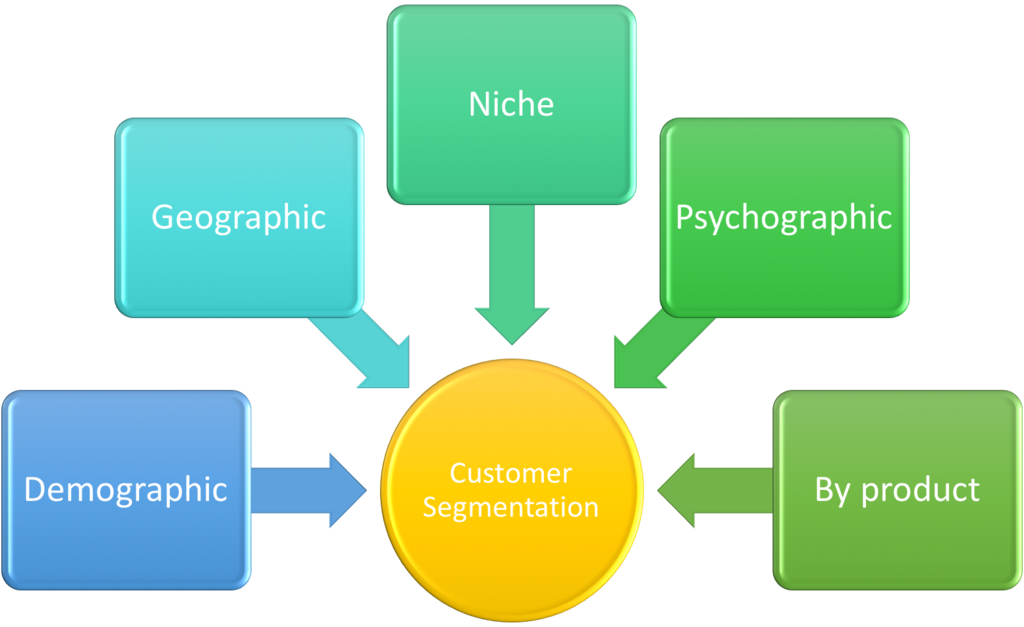
Then you'll analyze customer behavior. This involves creating customer segments—groups of people with shared characteristics. This can be based on:
| Category | Description | Example |
|---|---|---|
| Demographic | Tangible traits like age, gender, income, location. | Marketing to young families in suburban areas. |
| Psychographic | Intangible traits like lifestyle, values, interests. | Targeting environmentally conscious consumers. |
| Behavioral | How customers interact with products, like their buying habits or brand loyalty. | Offering a discount to frequent purchasers. |
Finally, you need to look at your competitors. Competitor analysis isn't about copying what others do. It's about understanding their strengths and weaknesses so you can find a unique space in the market. Ask yourself: What are they doing well? Where are they failing to meet customer needs? What is their pricing strategy? This information can reveal gaps in the market that your business can fill.
A simple way to analyze competitors is a SWOT analysis. Identify their Strengths, Weaknesses, the Opportunities they present for you, and the Threats they pose to your business.
Putting Research into Action
Market research is not an academic exercise. Its purpose is to guide your business decisions. The insights you gain should directly influence your strategy. For example, if your research shows that your target audience values convenience above all else, you might invest more in a user-friendly website and fast shipping.
If competitor analysis reveals that no one in your market offers excellent customer service, you can make that a core part of your business model. Market research helps you pivot from what you think customers want to what you know they want.

It informs everything from the features you build into your product to the words you use in your advertisements. By grounding your decisions in solid research, you build a business that truly serves its customers and stands out in a crowded marketplace.
Ready to test what you've learned about market research?