Launch Your Podcast
Understanding Podcasting
What is a Podcast?
At its core, a podcast is a series of digital audio files that a user can download or stream to a personal device for easy listening. Think of it like a radio show that you can listen to whenever you want, wherever you are. Episodes are typically released on a regular schedule, from daily to monthly, and often focus on a specific theme or topic.
podcast
noun
A digital audio file made available on the internet for downloading to a computer or mobile device, typically available as a series, new installments of which can be received by subscribers automatically.
The term itself is a blend of "iPod" and "broadcast," coined in the early 2000s when MP3 players were becoming popular. The technology that powered early podcasting was the RSS feed, a simple web format that allowed audio files to be automatically delivered to subscribers. This meant listeners didn't have to manually check a website for new episodes. Instead, a program called a "podcatcher" would download them as soon as they were released.
The Rise of a New Medium
For years, podcasting was a niche hobby for tech enthusiasts. Discovering new shows was difficult, and listening required a bit of technical know-how. That all changed with the rise of smartphones and dedicated podcasting apps.
Apple was an early player, integrating a podcast directory into iTunes back in 2005. This made podcasts much more accessible to the average person. In the years since, platforms like Spotify, Google Podcasts, and many others have entered the scene, creating a competitive and thriving ecosystem. Now, finding and subscribing to a podcast is as simple as tapping a button.
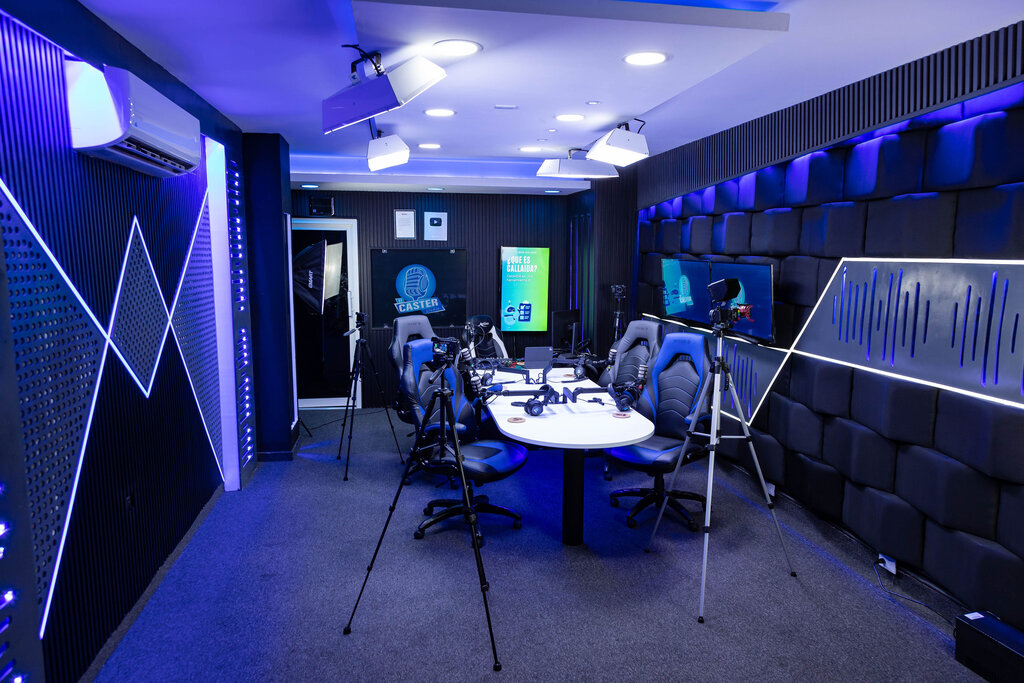
This evolution has transformed podcasting from a small community into a global media phenomenon, with millions of shows available on every topic imaginable.
The beauty of podcasting is its low barrier to entry. Anyone with a microphone, a computer, and something to say can create and distribute their own show to a potential audience of millions.
A Format for Every Story
Podcasts are incredibly flexible. There's no single way to structure a show, which has led to a wide variety of formats. Some of the most common include:
| Format | Description |
|---|---|
| Interview/Conversational | A host (or co-hosts) interviews a different guest each episode. |
| Solo/Monologue | A single host shares their expertise, stories, or opinions directly. |
| Panel Show | A group of hosts and/or guests discuss a topic together. |
| Narrative Storytelling | A heavily produced format that tells a story over one or multiple episodes, often using sound effects and music. |
| Repurposed Content | Audio taken from other sources, like conference talks, TV shows, or live streams. |
These formats can be applied to countless genres. Comedy podcasts often feature panel discussions or conversations between friends. True crime and history shows frequently use a narrative storytelling format to build suspense and immerse the listener. News and educational podcasts might use a mix of solo commentary and interviews with experts.
Why Start a Podcast?
People create podcasts for many reasons beyond just entertainment. For content creators, it's a powerful medium for connecting with an audience on a personal level. The intimate nature of audio—listening through headphones on a walk, during a commute, or while doing chores—creates a strong bond between the host and the listener.

Here are a few key benefits for creators:
- Build Authority: Hosting a podcast allows you to share your expertise and establish yourself as a thought leader in your niche or industry.
- Create Community: A podcast can gather a dedicated community of listeners who share a common interest. This engagement is often deeper than on other social platforms.
- Creative Freedom: You have complete control over the content, format, and tone of your show. It’s a space for pure creative expression.
- Networking: An interview-style podcast is a great way to connect with interesting people and expand your professional network.
As for the audience, listeners are often highly engaged. Unlike video, audio can be consumed passively while doing other things, making it easy to fit into a busy schedule. This leads to listeners who are loyal, attentive, and deeply invested in the shows they follow.
Ready to check your understanding of the world of podcasting? Let's see what you've learned.
The term "podcast" is a portmanteau, a blend of which two words?
What early web technology was essential for automatically delivering new podcast episodes to subscribers?
Podcasting is a dynamic and growing medium that offers endless possibilities for both creators and listeners. By understanding its history and the variety of forms it can take, you're ready to explore this exciting world further.