Launch Your Podcast
Understanding Podcasting
What Is a Podcast?
At its core, a podcast is a digital audio file, usually episodic, that you can download or stream. Think of it like a radio show you can listen to whenever you want, wherever you want. The name itself comes from a blend of "iPod" and "broadcast," a term coined in the early 2000s when the technology first emerged.
Unlike traditional radio, which airs at a specific time, podcasts are on-demand. They are delivered via an RSS feed, which allows listeners to subscribe to a show and automatically receive new episodes as they're released. This simple but powerful technology gave anyone with a microphone and an idea the ability to become a broadcaster, creating a global, decentralized network of shows.
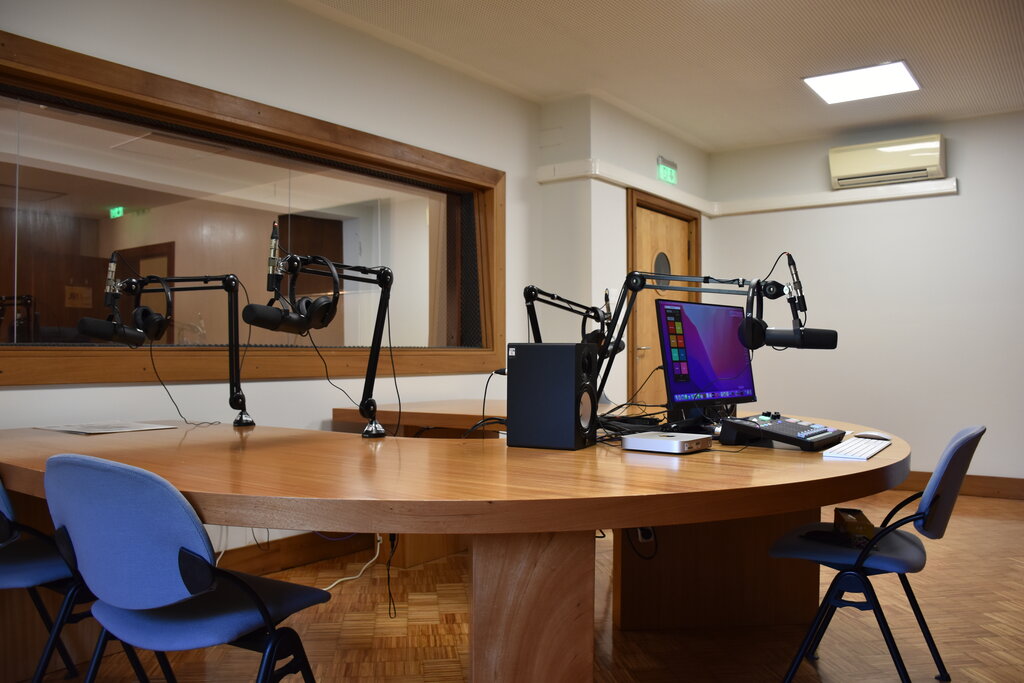
This freedom from schedules and corporate gatekeepers is what makes podcasting special. It's a medium built on personal connection and niche interests.
A Format for Everyone
There's no single way to make a podcast. The format you choose depends on your topic, your personality, and the story you want to tell. Some shows are casual conversations between friends, while others are highly produced, documentary-style narratives. This flexibility is a huge part of the appeal for both creators and listeners.
| Format | Description |
|---|---|
| Interview | A host or co-hosts interview a different guest each episode. |
| Solo / Monologue | A single host shares their expertise, opinions, or stories directly with the audience. |
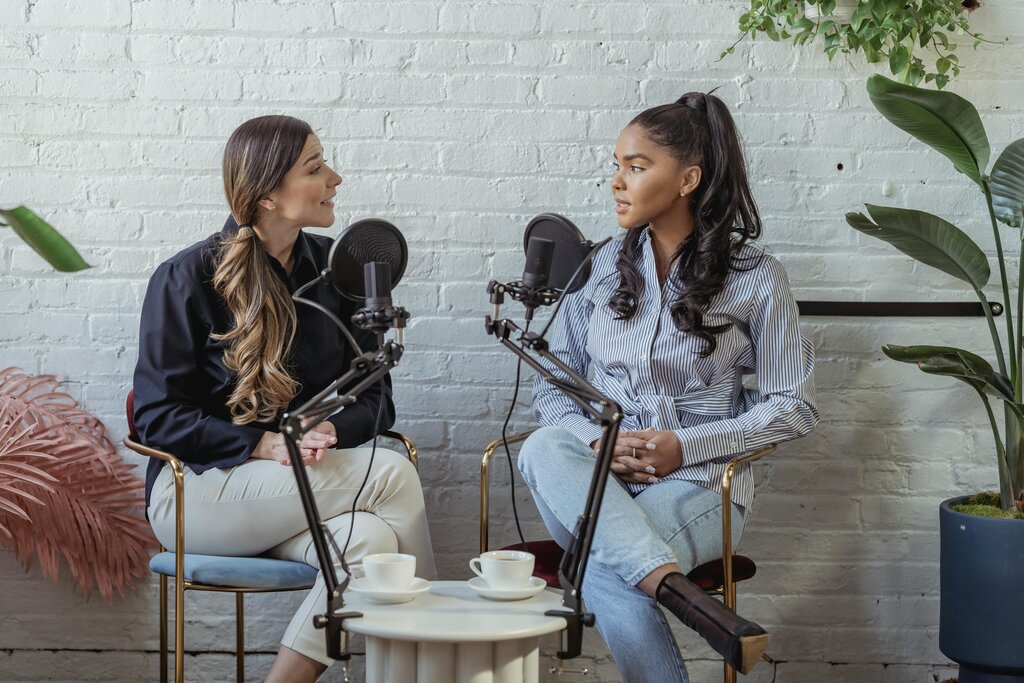
| Conversational | Two or more co-hosts discuss a topic in a free-flowing, unscripted manner. |
| Narrative Storytelling | A heavily edited and produced show that tells a single story over an episode or a season. |
| Educational | A show designed to teach listeners about a specific subject, from history to coding. |
| Repurposed Content | Audio taken from other sources, like conference talks, live events, or video content. |
Most successful podcasts blend these formats. An interview show might include a solo monologue at the beginning, and a conversational show might feature narrative storytelling elements. There are no hard rules.
The Podcasting Boom
Podcasting has exploded in popularity over the last decade. Today, there are millions of active podcasts, with hundreds of millions of listeners worldwide. So, what's behind the growth?
One major factor is accessibility. You can listen to podcasts while doing other things, like commuting, working out, or cooking. This makes them easy to fit into a busy schedule. The rise of smartphones and smart speakers put a podcast player in nearly everyone's pocket or home.
Another reason is the sheer diversity of content. Whatever your interest, no matter how specific, there's probably a podcast for it. This creates a powerful sense of community and allows listeners to dive deep into subjects they're passionate about. It also fosters a unique sense of intimacy; for many, listening to a podcast feels like hearing from a trusted friend.
The host-listener relationship is one of the strongest bonds in media. It's personal, direct, and built on trust over time.
Should You Start One?
The low barrier to entry makes podcasting an attractive medium for creators. But while it's easy to start, it's challenging to do well consistently. Before you jump in, it's worth weighing the benefits and the hurdles.
On the plus side, podcasting is an incredible way to share your voice, build a community around a topic you love, and develop valuable skills in communication and audio production. It gives you a platform to connect with people and establish yourself as an expert in your field.
The main challenge is the commitment. A successful podcast requires a consistent release schedule, which means dedicating time each week to planning, recording, editing, and promoting your episodes. With millions of shows available, it can also be difficult to stand out and find an audience. It's a marathon, not a sprint.
Plan out your episode subjects, practice your speaking points, and become comfortable with your recording equipment and software before launching your first podcast.
Don't let the challenges discourage you. If you have a passion and a willingness to learn, podcasting can be an incredibly rewarding journey.
What is the primary characteristic that distinguishes a podcast from traditional radio?
The term 'podcast' is a combination of which two words?
Now you know what a podcast is, the common formats they take, and what to consider before starting your own. It's a medium that empowers individual voices and connects people through shared interests.