Launch Your Personal Portfolio Website
Understanding Portfolio Websites
Your Digital Showcase
Think of a portfolio website as your personal online gallery. It’s a dedicated space on the internet where you can display your best work, share your story, and highlight your skills. Unlike a resume, which just lists your experience, a portfolio shows it.
Your portfolio website is more than just an online resume; it’s a dynamic platform where you can showcase your work, skills, and accomplishments to a global audience.
Whether you're a designer, writer, developer, or photographer, a portfolio gives potential clients or employers a direct look at what you can do. It's your chance to control the narrative and make a strong first impression before you even meet.
Why Bother Having One?
In a competitive market, a portfolio website sets you apart. It’s a professional home base that’s entirely your own, free from the constraints of social media profiles or job application forms. It shows you’re serious about your craft and gives you credibility.
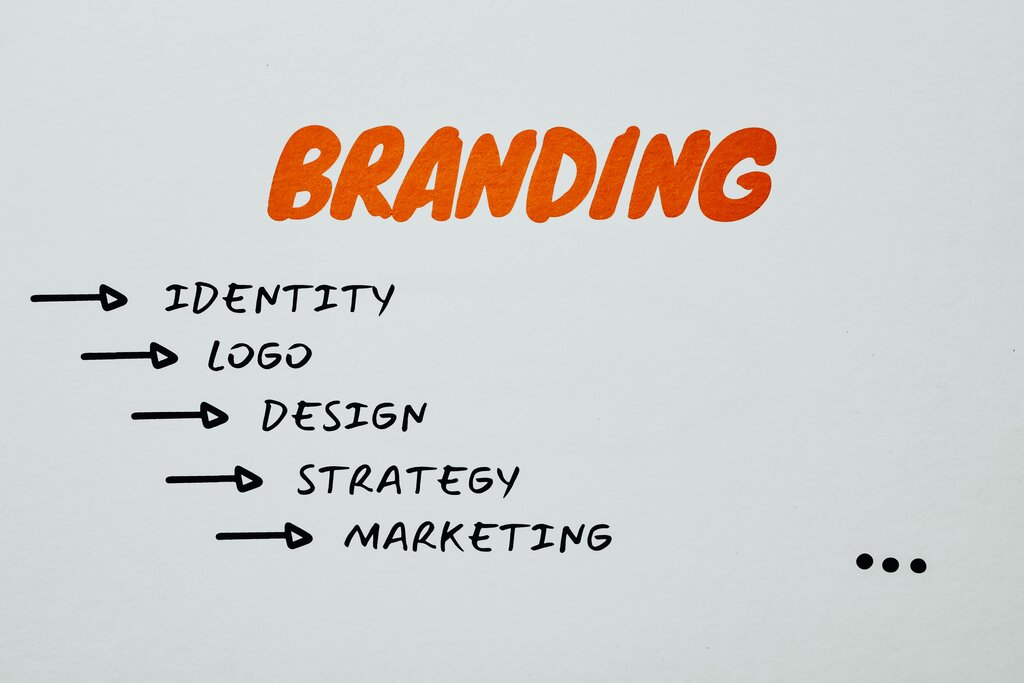
A great portfolio can attract opportunities directly to you. It works around the clock, making your skills and experience accessible to anyone, anywhere. It's not just about finding a job; it's about building a brand—your personal brand.
A well-crafted personal portfolio website can be the difference between landing that dream client or being overlooked.
Having your own site also makes you easier to find. When someone searches for your name, your portfolio can be the first result they see, ensuring you're the one shaping their first impression.
Key Ingredients of a Great Portfolio
An effective portfolio is more than just a collection of images or links. It's a carefully curated experience. Here’s what every strong portfolio needs:
Curated Work: Don't show everything you've ever done. Select your best, most relevant projects that demonstrate the kind of work you want to do more of. Quality always beats quantity.
For each project, provide a brief description. Explain the challenge, your specific role, and the outcome. This context helps people understand your process and the value you provided.
About Page: People hire people. Your 'About' page is a chance to share your story, your passion, and what makes you unique. A professional photo adds a personal touch.
Clear Contact Information: Make it incredibly easy for potential clients or recruiters to get in touch. A simple contact form or a clearly displayed email address is essential.
Testimonials: If you have them, include quotes from past clients or colleagues. Social proof is a powerful way to build trust with new visitors.

Finally, remember that your portfolio is a living document. Keep it updated with your latest and greatest work to reflect your growth and evolving skills.