Launch Your Online Business
Understanding Online Business Models
Choosing Your Online Path
An online business model is simply your plan for making money on the internet. It’s the structure that defines how you create something of value and sell it to customers. You don't need a complex MBA-level strategy to start. You just need to understand the basic paths you can take.
Selling Products Directly
The most straightforward way to do business online is selling products. This is the world of e-commerce, which is essentially a digital storefront.
E-commerce
noun
The business of buying and selling goods and services on the internet. It involves transactions of products, from digital downloads to physical items shipped to a customer's door.
When you run an e-commerce business, you are responsible for everything from sourcing or creating products to marketing, sales, and customer service. You might sell physical goods you store in your garage or digital products like ebooks and online courses.
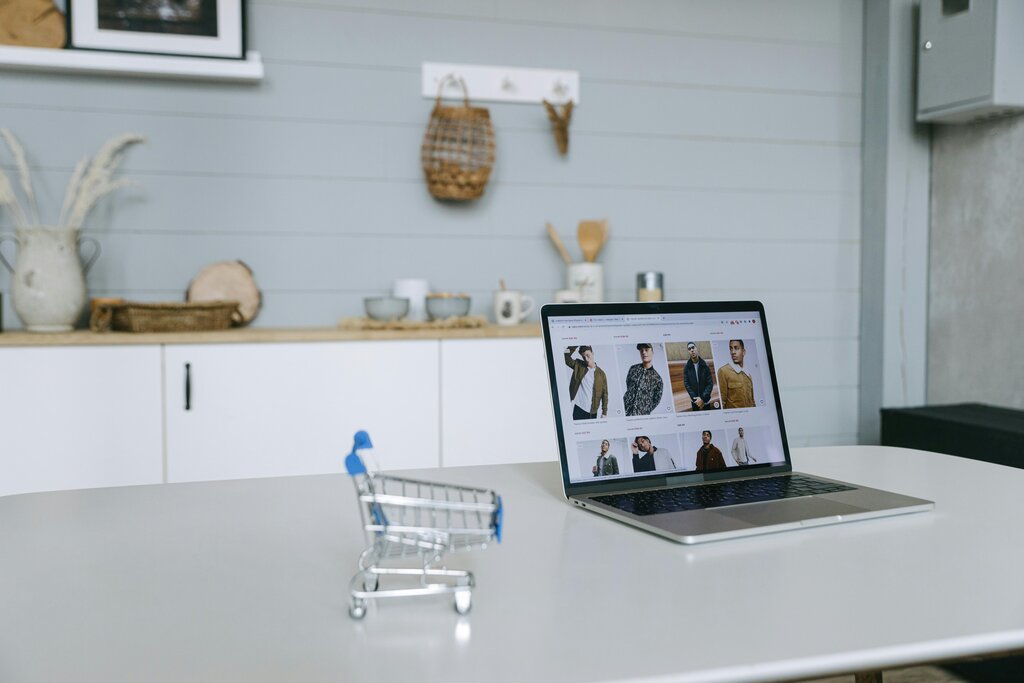
A popular variation of e-commerce is dropshipping. With this model, you also sell products through an online store, but you never actually handle the items yourself. When a customer places an order, you forward it to a third-party supplier who then ships the product directly to the customer.
This dramatically lowers the startup cost, since you don't need to buy inventory upfront. However, it also means you have less control over product quality and shipping times, and your profit margins are typically slimmer.
| Feature | Traditional E-commerce | Dropshipping |
|---|---|---|
| Inventory | You purchase and hold stock | No inventory held by you |
| Startup Cost | Higher (due to inventory) | Lower (no inventory costs) |
| Profit Margin | Higher | Lower |
| Control | Full control over products & shipping | Less control over quality & fulfillment |
Earning from Expertise
Not everyone wants to deal with physical products. Other models let you earn money by promoting others' products or by selling your own skills.
Affiliate marketing is like being a commission-based salesperson for the internet. You earn a cut for every sale you refer.
As an affiliate marketer, you promote products or services from other companies using unique tracking links. When someone clicks your link and makes a purchase, you get a commission. This is common for bloggers, influencers, and content creators who recommend products they trust to their audience. The key is building an audience that trusts your recommendations.
Alternatively, you can build a service-based business. This is where you sell your skills and expertise directly. Think of freelance writers, graphic designers, virtual assistants, or online coaches. You are the product. It's often the fastest way to start earning money online because you're leveraging skills you already have. The main challenge is that your income is directly tied to the hours you can work.
Building Recurring Revenue
The subscription model has become incredibly popular because it creates predictable, recurring revenue. Instead of a one-time purchase, customers pay a regular fee, typically monthly or yearly, for access to a product or service.
This business model enables organizations to generate a regular income while also developing ongoing relationships with customers, meaning they are able to offer different products and services as their customers’ requirements change.
This model can apply to almost anything. Software-as-a-Service (SaaS) like Adobe Creative Cloud is a classic example. Streaming services like Netflix use it for content. E-commerce businesses use it for subscription boxes, delivering curated items like coffee, makeup, or books each month. The benefit is financial stability, but the challenge is constantly providing enough value to prevent customers from canceling.
These models aren't mutually exclusive. An e-commerce store might have an affiliate program. A service-based consultant might offer a subscription newsletter with premium content. The best approach often involves mixing and matching to create a business that fits your unique goals and skills.
Which online business model involves selling products through an online store but never handling the inventory or shipping yourself?
A freelance graphic designer who creates logos for clients online is primarily using which type of business model?