Launch Your Nutrition App
Market Research
Understanding the Landscape
Before you write a single line of code or design a single screen, you need to do your homework. Building a successful nutrition app starts with market research. It’s about understanding the people you want to help, the apps they’re already using, and the broader trends shaping the digital health world. This groundwork is what separates a flash-in-the-pan app from one that truly resonates with users and has staying power.
Market research helps startups gain a deep understanding of their target audience’s preferences, behaviors, and pain points.
Who Is Your App For?
The first question to answer isn’t “what will my app do?” but “who will my app serve?” Defining your target demographic is more than just listing age ranges and locations. You need to dig into the psychographics: their lifestyle, motivations, goals, and frustrations. A university student trying to avoid takeaways has very different needs from a new parent trying to manage family meals, or an athlete optimising their performance.
Consider creating user personas. These are fictional characters based on your research that represent your ideal users. For example, 'Chloe, a 28-year-old freelance designer who works from home and struggles with snacking and finding time for balanced meals.'
Understanding these specific groups helps you tailor features, content, and even the tone of your app. An app for athletes might focus on precise macronutrient tracking, while an app for busy professionals could prioritise 15-minute recipes.
Sizing Up the Competition
Your app won't exist in a vacuum. The app stores are filled with nutrition apps, so you need to know who the major players are and what they offer. This process, known as competitor analysis, involves downloading and using these apps yourself. Pay attention to their core features, user interface, pricing models, and overall user experience.
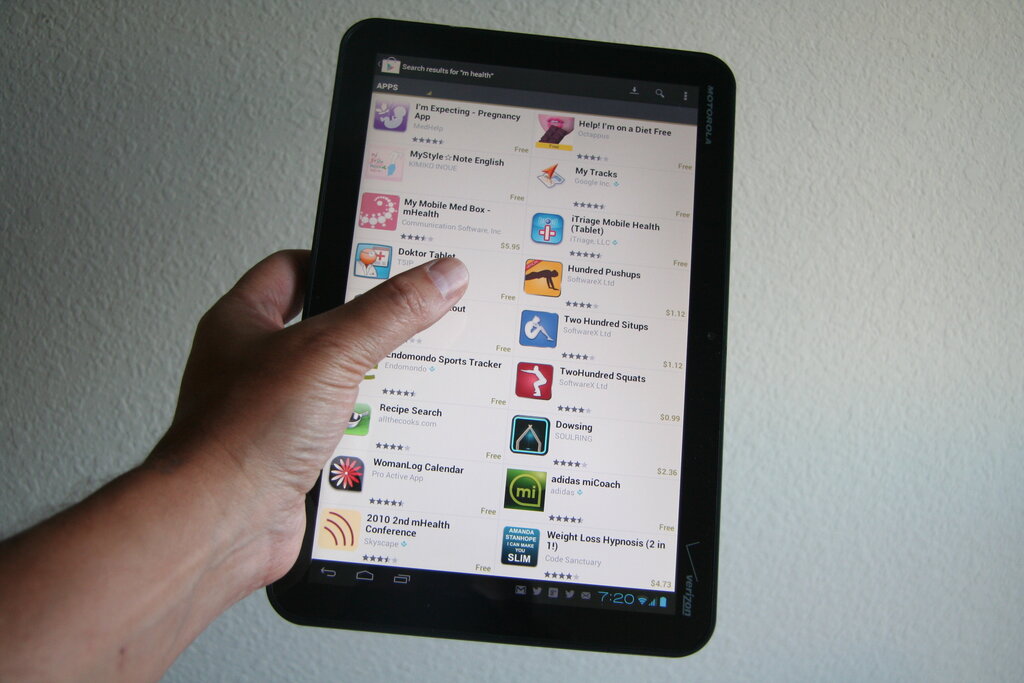
The most valuable source of information is user reviews. Read the 5-star reviews to see what people love. More importantly, read the 1-star reviews to find their pain points. What features are missing? What part of the experience is frustrating? These complaints are your opportunities. They highlight the gaps in the market that your app can fill.
| Feature | App A (NutriPal) | App B (FitFuel) | App C (SimpleEats) |
|---|---|---|---|
| Calorie Tracking | Yes | Yes | No |
| Recipe Database | Yes | No | Yes |
| Barcode Scanner | Yes | Yes | Yes |
| Wearable Integration | Yes | Yes | No |
| Community Forum | Yes | No | No |
| Target Audience | General | Athletes | Busy People |
Identifying Gaps and Opportunities
After studying your target users and competitors, you can start connecting the dots. Where do user needs overlap with weaknesses in existing apps? This is where you find your unique value proposition—the thing that makes your app different and better.
Perhaps you notice that no app effectively caters to people with specific dietary restrictions like gluten intolerance or FODMAP diets. Or maybe you see that users are frustrated with cluttered interfaces and would prefer a simpler, more focused experience. Trends in the wider wellness industry, like the rise of plant-based diets or interest in gut health, can also point to new opportunities.
For example, you might identify a gap for an app that focuses solely on creating weekly meal plans for families on a tight budget. Your value proposition becomes: 'The only meal planning app that saves you time and money.' This clear focus, born from solid research, provides a strong foundation for every decision you'll make in the development process.
Now, let's test your understanding of these core market research concepts.
According to the principles of market research for a new nutrition app, what is the very first question you should answer?
When analysing competitor apps, where can you find the most valuable information about unmet user needs and market gaps?
Thorough market research provides the blueprint for your app, ensuring you're building something people actually want and need.