Launch Your Music Single
Music Production
Crafting the Song
Every great track starts with a great song. Before you touch any recording equipment, the foundation must be solid. This is the songwriting phase, where you create the melody, harmony, rhythm, and lyrics that form the core of your music.
Think about the story you want to tell or the feeling you want to evoke. Most popular songs follow a familiar structure, like verse-chorus-verse-chorus-bridge-chorus. This structure is effective because it creates a sense of repetition and development, making the song memorable and engaging for the listener. Spend time refining your ideas. A well-written song is much easier to produce and will connect more strongly with your audience.
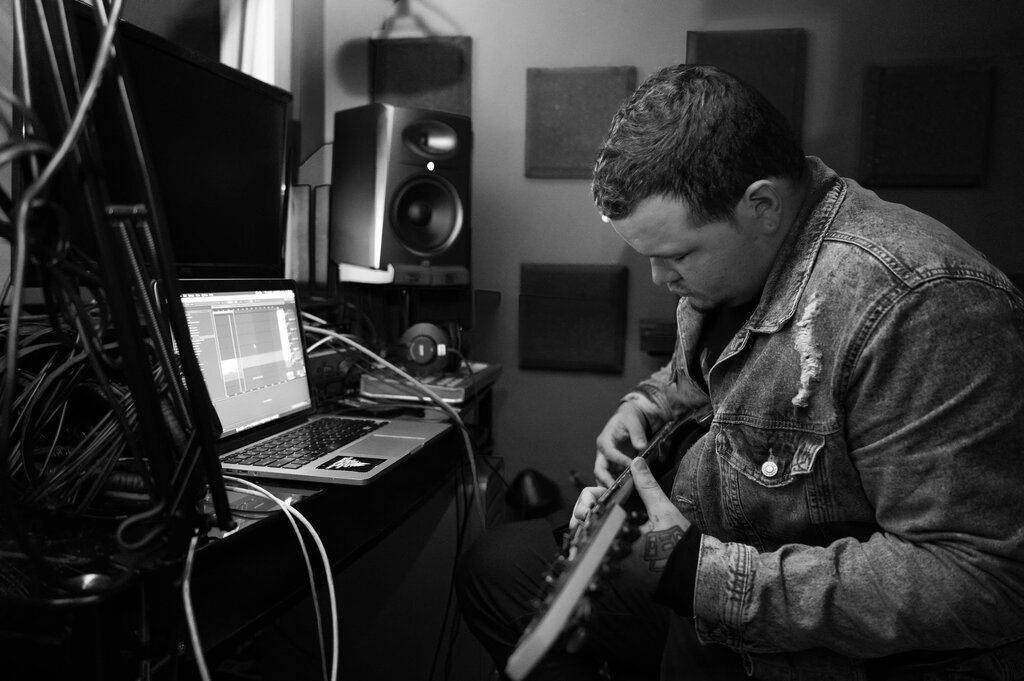
Capturing the Sound
Once your song is written, it's time to record. The goal of recording is to capture a clean and compelling performance of each instrument and vocal part. This isn't just about hitting the record button; it's about making technical and creative choices that will serve the song.
This involves selecting the right microphones for the sound source, positioning them correctly, and setting the right input levels to avoid distortion. The room you record in also plays a huge role in the final sound. A quiet, acoustically treated space will yield professional results, while a noisy, echoey room can ruin a great performance. The aim is to get high-quality raw tracks, which are often called “stems.” Clean recordings give you the best possible material to work with during the mixing stage.

Polishing the Mix
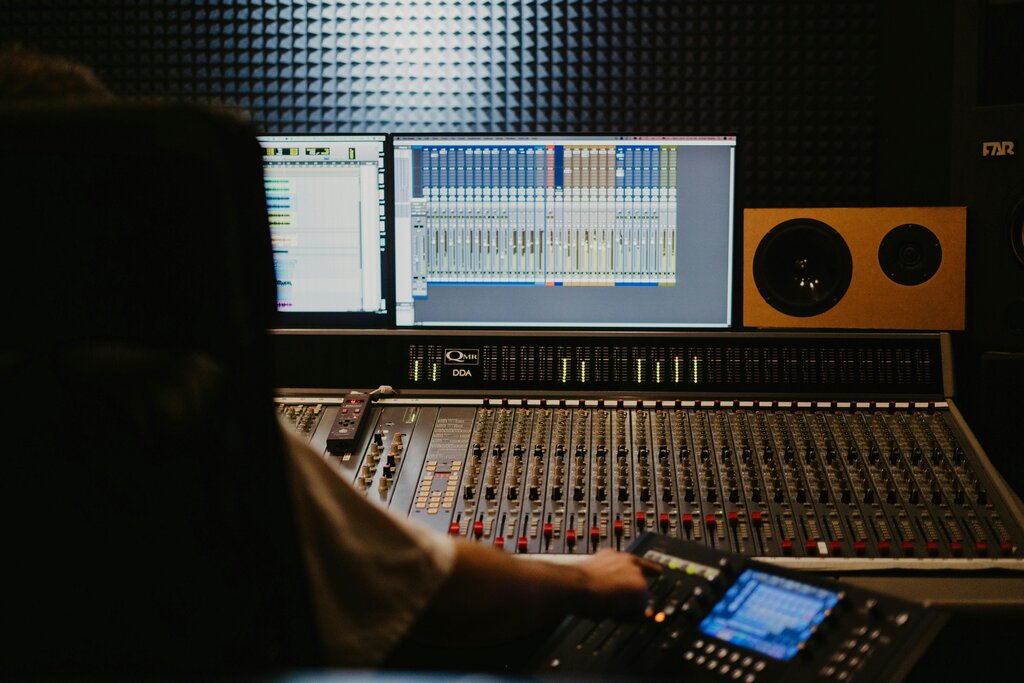
After all the parts are recorded, you enter the mixing phase. Think of mixing like cooking a meal. You have all your raw ingredients (the recorded tracks), and now you need to combine them in the right proportions to create a delicious final dish. Mixing is the process of blending all the individual tracks together to create a cohesive and balanced whole.
This is where you adjust the volume levels of each instrument, so nothing is too loud or too quiet. You'll also use tools like equalization (EQ) to shape the tone of each sound and compression to control its dynamics. Another key part of mixing is creating a sense of space.
panning
verb
The distribution of a sound signal into a new stereo or multi-channel sound field determined by a pan control setting.
By panning instruments to the left or right, you can create a wide, immersive stereo image. Effects like reverb and delay are also added during mixing to give the track depth and character. The goal is to make everything sit together nicely, ensuring that every part of the song can be heard clearly.
The Final Polish
Mastering is the final step in the production process, the last coat of polish before your song is released to the world. While mixing focuses on balancing the elements within a song, mastering focuses on making the finished mix sound its absolute best across all different playback systems, from tiny earbuds to powerful club speakers.
A mastering engineer will make subtle adjustments to the overall EQ, compression, and stereo width of the track. They also ensure the song is at a competitive loudness level compared to other professional releases. This step is crucial for ensuring your music sounds professional, consistent, and ready for listeners.
Mixing and mastering are essential aspects of music production that ensure your tracks sound polished and professional.
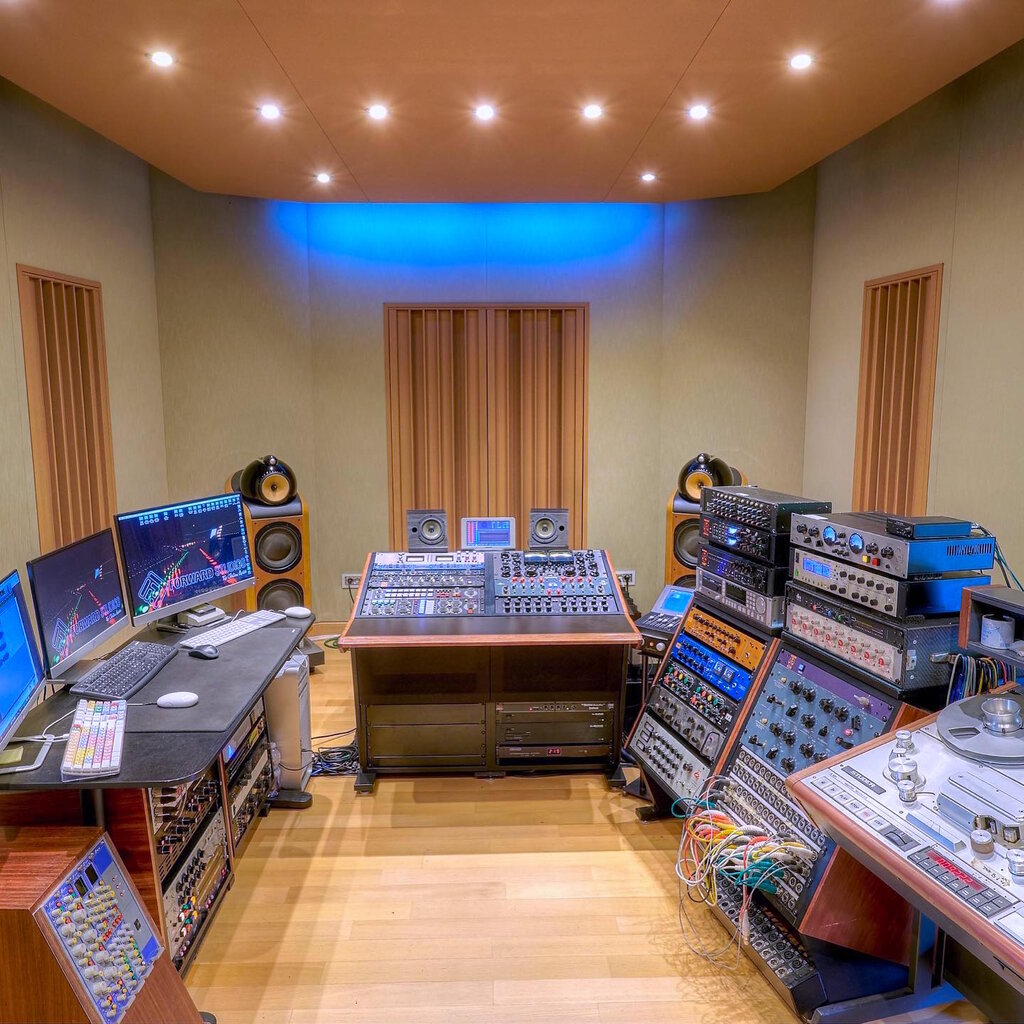
Let's review the key stages of bringing a song to life.
Ready to test your knowledge?
What is the primary reason that popular songs often use a structure like verse-chorus-verse-chorus?
What is the main goal during the recording stage of music production?
With a strong song, clean recordings, a balanced mix, and a professional master, your music will be ready to make an impact.