Launch Your Music Single
Music Production Basics
Your Digital Studio
Every song starts in a studio. In the digital age, that studio lives inside your computer. It's called a Digital Audio Workstation, or DAW. Think of it as a complete recording studio—mixing board, tape machine, and effects—all bundled into one piece of software.
A DAW is where you'll record, arrange, edit, and mix your music. It's the central hub for your entire production process. Some popular choices include Ableton Live, Logic Pro X, FL Studio, and Pro Tools. They all do the same core job, so the best one is usually the one that feels most comfortable to you.
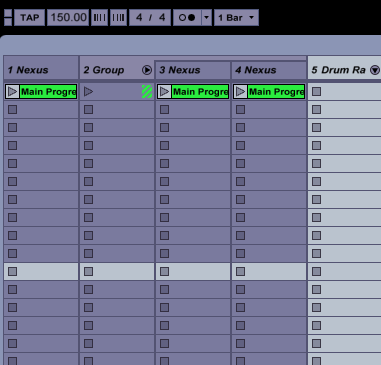
Inside your DAW, you'll see a timeline that moves from left to right, representing the flow of your song. You'll add different layers, called tracks, for each instrument or vocal. One track might be for drums, another for bass, and another for the lead vocal. This setup lets you work on each element of your song independently.
Capturing the Sound
Before you can mix a song, you need to record its parts. The golden rule of recording is simple: get the best possible sound at the source. It’s much harder to fix a bad recording than to capture a good one. This idea is often called "garbage in, garbage out."
To start, you typically need a microphone to capture sound and an audio interface to convert that sound into a digital signal your computer can understand. The interface is the bridge between your microphone and your DAW.
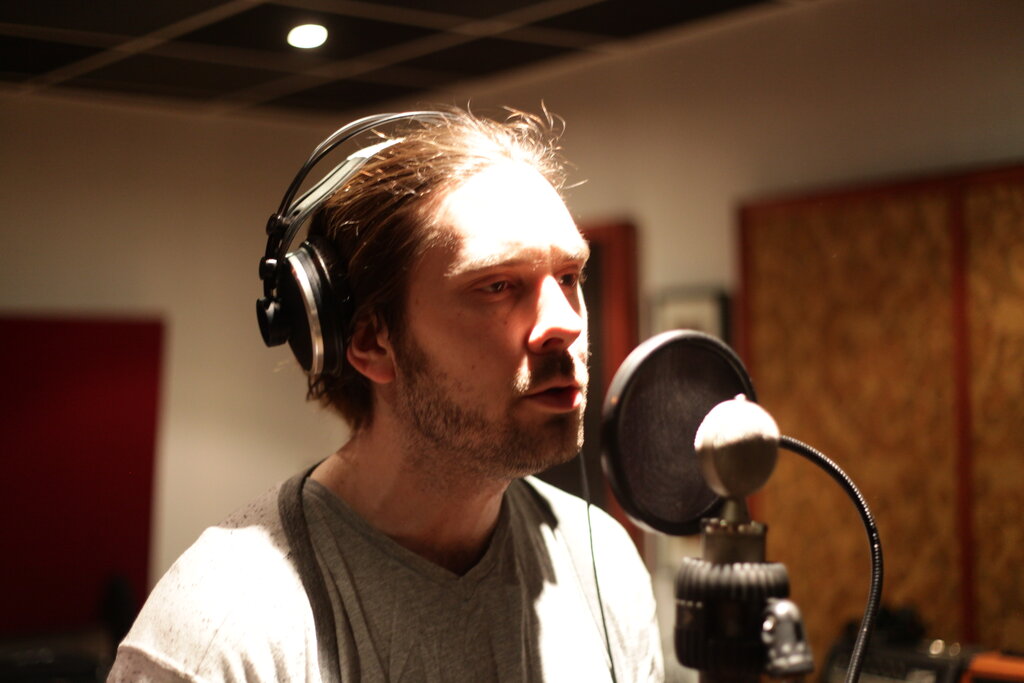
One of the most crucial steps is setting your recording level, also known as gain. If the level is too low, your recording will be quiet and might have unwanted background noise. If it's too high, the signal will distort or "clip." This creates a harsh, unpleasant sound that's impossible to remove later.
Always aim for a healthy recording level that avoids clipping. Look for the audio meters in your DAW to stay out of the red zone.
Mixing and Mastering
Once all your tracks are recorded, it's time to mix. Mixing is the process of blending all the individual tracks together to create a cohesive, balanced song. Think of it like cooking: each track is an ingredient, and your job as the mixer is to combine them in the right proportions to make a delicious final dish.
During mixing, you'll make several key adjustments:
- Levels: You'll adjust the volume of each track so nothing is too loud or too quiet. The most important elements, like the lead vocal, should be clear and present.
- Panning: You'll place sounds in the stereo field, from left to right. This creates a sense of space and width, preventing the mix from sounding cluttered.
- EQ (Equalization): You'll shape the tonal character of each instrument. EQ allows you to boost or cut specific frequencies to help each track fit better in the mix. For example, you might cut low frequencies from a guitar to make room for the bass.
- Dynamics: You'll use tools like compression to control the volume range of a track, making it more consistent. This helps vocals, for instance, stay upfront without any words getting lost.
Mixing and mastering are essential aspects of music production that ensure your tracks sound polished and professional.
After the mix is complete, the final step is mastering. Mastering is the last coat of polish before a song is released. In this stage, you process the entire mix as a single file. The goal is to make the song sound loud, clear, and consistent across all types of speakers, from tiny earbuds to large club systems.
Mastering ensures your song competes commercially in terms of volume and sounds like it belongs alongside other professional tracks. It’s the final quality check that makes a song ready for the world.
Let's review the key terms we've covered.
Now, test your knowledge on these foundational concepts.
What is the primary function of a Digital Audio Workstation (DAW)?
The act of adjusting the tonal character of an instrument by boosting or cutting specific frequencies is known as __________.
With these basics, you have a roadmap for taking a musical idea and turning it into a finished track. The journey from a blank DAW session to a mastered song is a creative process of building, shaping, and refining.