Launch Your Music Single
Music Production Basics
Your Digital Studio
At the heart of modern music production is the Digital Audio Workstation, or DAW. Think of it as your command center. It’s the software that lets you record, edit, arrange, mix, and finalize your music, all from your computer.
There are many DAWs out there, each with its own workflow. Some popular options include Ableton Live, Logic Pro, and FL Studio. If you're just starting, free programs like GarageBand (for Mac) or Audacity are fantastic for learning the ropes. The specific DAW you choose is less important than understanding its core functions. They all accomplish the same fundamental tasks.
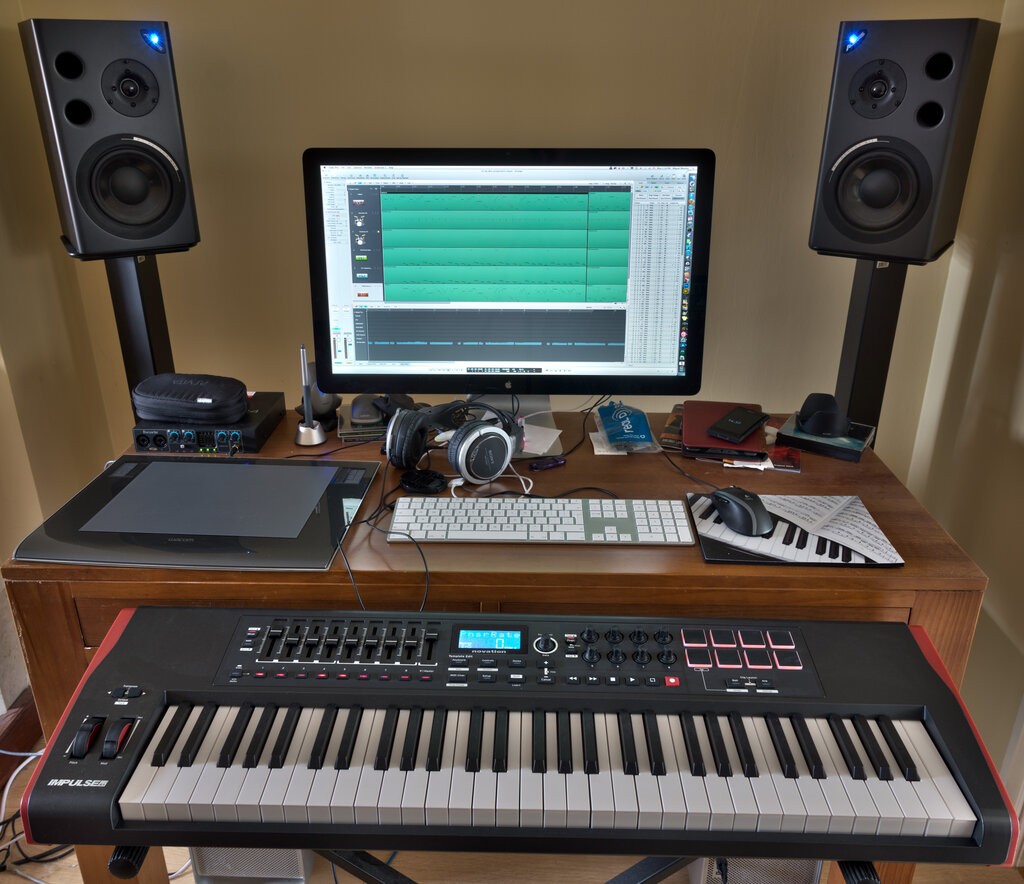
Most DAWs have a few key areas you'll interact with. The main window is usually a timeline, where you arrange audio clips and MIDI notes from left to right. You'll also find a mixer, which has faders for controlling the volume of each track, and a piano roll for writing or editing melodies and chords for virtual instruments.
The digital audio workstation (DAW) is the foundation of modern music making, but was not designed for the modern music maker.
Capturing Sound
Once you're comfortable with your DAW, it's time to get sound into it. The goal of recording is to capture a clean, clear performance. Fixing a bad recording later is much harder than getting it right the first time.
Your ultimate goal is to get a good-quality recording the first time, to avoid a lot of damage control in the mix later.
For basic recording, you'll need a few pieces of gear. A microphone captures the sound, an audio interface converts that sound into a digital signal your computer can understand, and headphones let you hear what you're recording without the microphone picking up the sound from your speakers.
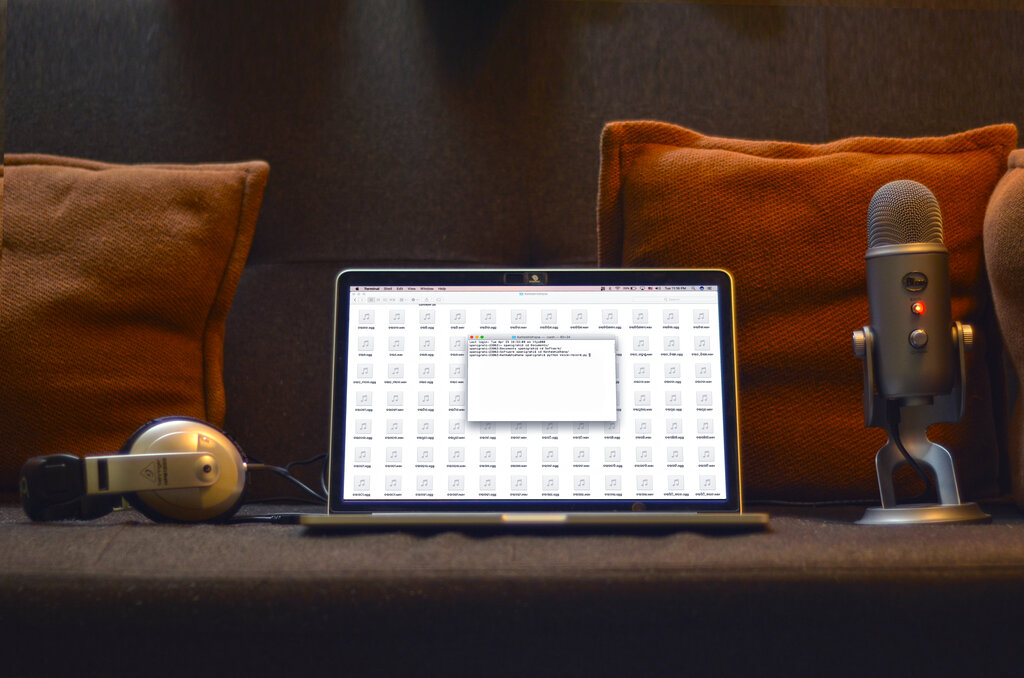
When you're ready to record, find a quiet space. Unwanted background noise from refrigerators, air conditioners, or street traffic can ruin a take. Position your microphone a reasonable distance from the sound source to avoid distortion. A good starting point for vocals is about 6-12 inches away. Finally, do a test recording to check your levels. You want the signal to be strong, but not so loud that it distorts or "clips"—this is when the input level hits the maximum and the tops of the sound wave get flattened, creating a harsh sound.
Mixing and Mastering
After all your tracks are recorded and arranged, the next steps are mixing and mastering. These two processes are often talked about together, but they are distinct stages that turn a collection of individual sounds into a cohesive, professional-sounding song.
Mixing
verb
The process of blending all the individual tracks in a project together. This involves adjusting levels, panning, and using effects to ensure every element can be heard clearly and works well with the others.
The goal of mixing is balance. Imagine you're the conductor of an orchestra. You decide how loud the violins are compared to the trumpets, or whether the cellos should sound like they're on the left or right side of the stage. In your DAW's mixer, you'll use volume faders to balance the levels of each track. You'll also use panning knobs to place sounds in the stereo field (left, right, or center). This creates space and clarity, preventing your song from sounding muddy.
At its core, audio mixing is the process of combining and manipulating individual audio tracks to create a cohesive and balanced final product.
Mastering is the final step. After the mix is complete, mastering polishes the entire track to prepare it for distribution. It ensures the song sounds good on different playback systems, from tiny earbuds to powerful club speakers. The main goal is to make the track loud enough to compete with other commercial songs while enhancing its overall tone and dynamics. Think of it as the final quality check and optimization before the world hears your music.
Time to check what you've learned.
What is the primary role of a Digital Audio Workstation (DAW) in music production?
In a DAW's mixer, what is the main purpose of the 'panning' knobs?
Understanding these foundational elements—the DAW, recording, mixing, and mastering—is the first step toward producing your own music. With practice, these concepts will become second nature.