Launch Your Music Single
Understanding Music Production
The Blueprint of a Song
Creating a song is like building a house. You don't just start throwing up walls. You need a blueprint, a foundation, and a step-by-step process to turn an idea into something solid. In music, this process is called production. It's a journey with several distinct stages, each one building on the last.
Songwriting & Composition: This is where it all begins—the spark. It's the melody, the chords, and the lyrics that form the song's skeleton.
Arrangement: Once you have the skeleton, you decide how to flesh it out. What instruments will play? When do they come in and out? This stage defines the song's structure, like its verses, choruses, and bridge. It’s about building the song's energy and emotional arc.
Tracking: Also known as recording. This is the physical act of capturing the sounds. Each instrument and vocal part is recorded onto its own track in a recording software. This separation is key for the next steps.
Editing: No performance is perfect. The editing stage is for cleaning things up. You might tighten the timing of a drum hit, fix a slightly off-key vocal note, or remove unwanted noise like a cough or a chair squeak.
Mixing: With all the parts recorded and edited, it's time to blend them. Mixing is an art of balance. A mixing engineer adjusts the volume levels, panning (left-to-right placement), and character of each track so they all work together as a cohesive whole.
Mastering: This is the final coat of polish. A mastering engineer takes the final mix and prepares it for the world. They make subtle adjustments to the overall tone and loudness to ensure the song sounds great on any system, from earbuds to a car stereo.
The Production Team
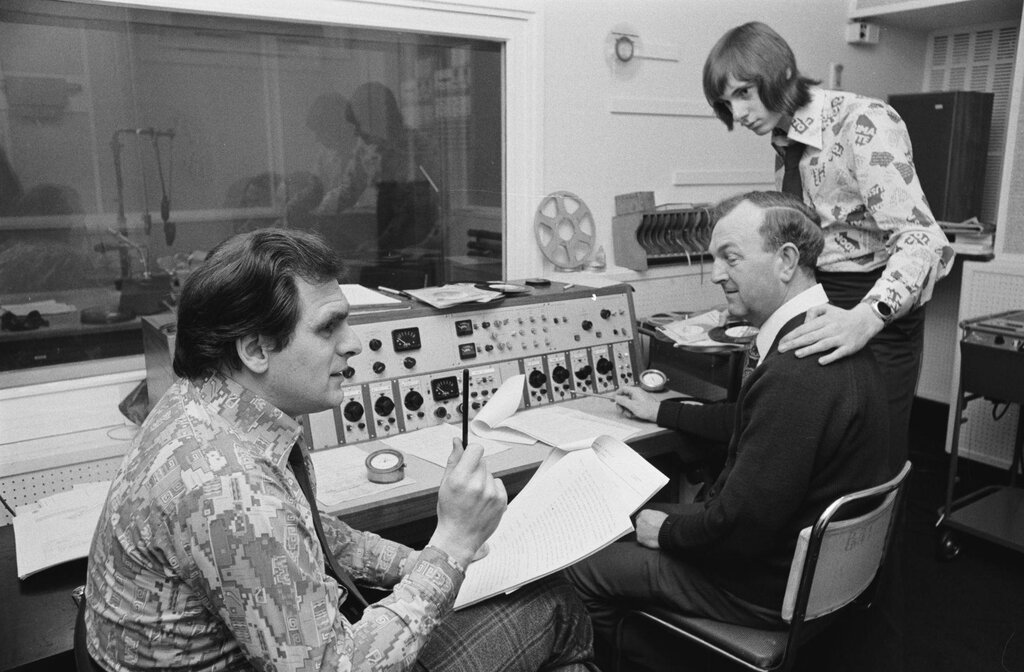
While it's possible for one person to do everything, professional productions often involve a team of specialists, each bringing their expertise to the project.
| Role | Primary Responsibility |
|---|---|
| Artist | The performer and creative source of the music. |
| Producer | Oversees the project from start to finish, guiding the artist's vision. |
| Recording Engineer | Manages the technical side of recording, like placing mics and operating software. |
| Mixing Engineer | Focuses solely on blending the recorded tracks into a balanced mix. |
| Mastering Engineer | Specializes in the final mastering stage, preparing the track for release. |
The lines between these roles can blur. A producer might also be the recording engineer. The artist might be the songwriter and producer. In a home studio, you might be all of them at once. Understanding these distinct jobs helps you appreciate all the skills that go into making a great record.
Capturing the Sound
The tracking stage is where sound becomes a permanent recording. You don't need a million-dollar studio to get a clean, professional sound. You just need a few key pieces of gear and an understanding of how they work together.
The goal of recording is to capture a clean signal. Think of it as getting the best possible ingredients before you start cooking. It's much easier to work with a great recording than to try to fix a bad one later.
The three essentials for digital recording are:
-
A Microphone: This converts sound waves into an electrical signal. The two most common types are dynamic and condenser mics. Dynamic mics are rugged and great for loud sources like guitar amps or drums. Condenser mics are more sensitive and detailed, making them a popular choice for vocals and acoustic instruments.
-
An Audio Interface: This is the bridge between your microphone and your computer. It takes the analog signal from the mic and converts it into digital data your computer can understand. It also lets you plug in headphones and speakers to hear what you're doing.
-
A Digital Audio Workstation (DAW): This is the software at the heart of your studio. A DAW is where you record, edit, mix, and arrange your music. Popular examples include Ableton Live, Logic Pro X, and GarageBand.
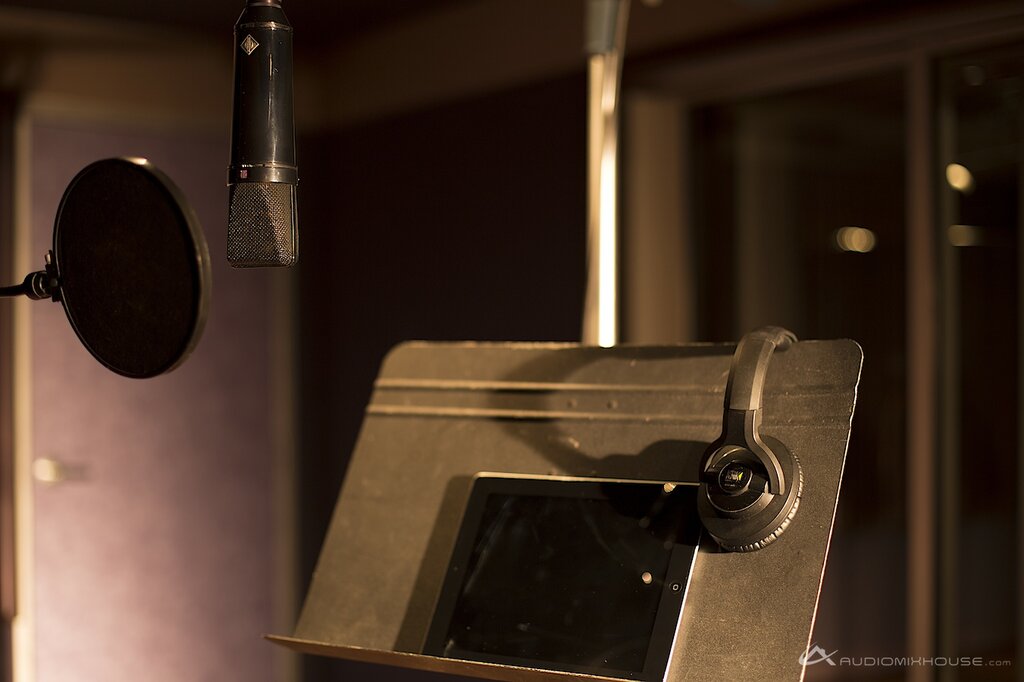
One simple but crucial technique is managing your recording levels. You want the signal to be strong enough to be clear, but not so loud that it "clips" or distorts. In your DAW, the volume meter for your track should peak in the yellow, not the red. This gives you plenty of headroom for mixing later.
At its core, audio mixing is the process of combining and manipulating individual audio tracks to create a cohesive and balanced final product.
Understanding these stages, roles, and basic techniques provides a solid foundation. From here, you can make informed decisions as you bring your own musical ideas to life.
Ready to test your knowledge? Let's see what you've learned.