Launch Your Music Single
Songwriting and Composition
The Architecture of a Song
A song is more than just notes and words; it’s a carefully constructed experience. The core elements—melody, harmony, rhythm, and lyrics—work together to create a cohesive whole. Think of yourself as an architect. The melody is the striking shape of the building, the harmony is its foundation and internal structure, the rhythm is the flow of people through its spaces, and the lyrics are the stories happening inside its walls. Let's break down how to build each part.
Crafting Your Melody
The melody is the part of the song people hum. It's the memorable sequence of notes that carries the tune. A great melody has a clear shape, or contour. It moves up and down, creating tension and release, much like the plot of a good story. It might rise during an exciting moment and fall during a reflective one.
Most compelling melodies are built from small, repeated musical ideas called motifs. Instead of trying to invent a long, complex tune from scratch, start with a short, simple phrase. Try changing a note, altering the rhythm, or playing it higher or lower. This process of developing a motif gives your melody a sense of logic and catchiness.
A melody's rhythm is just as important as its notes. Experiment with how your notes fit in time. A simple melodic idea can feel completely different when you change its rhythm from long, flowing notes to short, punchy ones.
Building Harmony with Chords
If melody is the main character, harmony is the setting and mood. Harmony is created by playing multiple notes at the same time, usually in the form of chords. A sequence of chords is called a chord progression, and it provides the emotional foundation for your melody.
Chord progressions are powerful tools for storytelling. Major chords often sound bright and happy, while minor chords can feel sad or introspective. The order you place them in creates a journey. You don't need to reinvent the wheel; many hit songs are built on a handful of time-tested progressions. One of the most common is the I-IV-V-I progression, which provides a satisfying sense of departure and return.
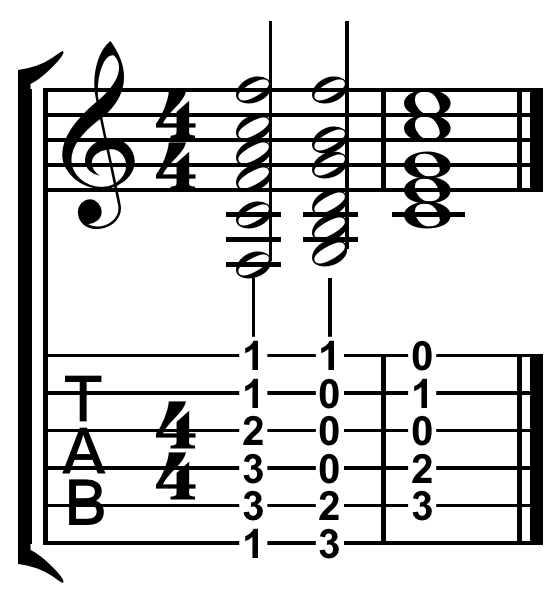
The key is to find a progression that supports the emotion of your melody and lyrics. Try playing a few simple chords on a guitar or piano and singing your melody over them. Listen to how the feeling changes when you switch from a major chord to a minor one. This interplay is where the magic happens.
Writing Lyrics That Connect
Lyrics are your most direct connection to the listener. Good lyrics paint a picture and evoke emotion. One of the most effective techniques is to "show, don't tell." Instead of saying you're sad, describe the rain on the window or the feeling of a cold room. Use sensory details—sights, sounds, smells, tastes, and textures—to pull the listener into the world of your song.
Rhyme and rhythm are also crucial. Rhymes create a pleasing, musical sound and can make your lyrics more memorable. A simple AABB or ABAB rhyme scheme is a great place to start. Pay attention to the natural rhythm, or meter, of your words. The syllables should flow smoothly with the melody, without sounding forced or awkward.
When writing a melody for a song with lyrics, it’s essential to understand the mood, meaning, and structure of the lyrics before crafting the melody.
Structuring Your Song
Once you have your core ideas, you need to arrange them into a coherent structure. Song structure is the roadmap that guides your listener from beginning to end. Most popular songs use a predictable but effective pattern.
| Section | Purpose |
|---|---|
| Verse | Tells the story, providing details and context. The melody is often consistent, but the lyrics change with each verse. |
| Chorus | Contains the main message or hook of the song. The melody and lyrics are typically the same each time it appears. |
| Bridge | Offers a change of pace. It introduces a new musical or lyrical idea, providing contrast before returning to the chorus. |
| Pre-Chorus | An optional section that builds tension from the verse and leads into the chorus. |
| Intro/Outro | The intro sets the mood, while the outro provides a sense of closure. |
A common structure is Verse-Chorus-Verse-Chorus-Bridge-Chorus. This form is popular for a reason: it's easy to follow, builds energy effectively, and drives home the song's central idea in the chorus. Mapping out your structure before you get too deep into writing can give you clarity and focus.
What is the primary function of a melodic motif in a song?
A songwriter wants to create a chord progression that provides the emotional foundation for their melody. This sequence of chords is also known as what?
With these building blocks, you have a framework for turning your ideas into a complete and compelling song. Experiment with each element and, most importantly, listen to how they fit together.