Launch Your Hit Single
Music Production Basics
Every Instrument Has a Job
Think of a song like a team. For the team to succeed, each player needs a distinct role. In music, instruments are the players, and they typically fall into one of three categories: rhythm, harmony, or melody.
The rhythm section is the foundation. It’s usually made up of drums and bass. Drums provide the beat, the pulse that makes you want to tap your foot. The bass guitar connects the rhythm to the other instruments, creating a deep, foundational groove. Together, they form the song's skeleton.
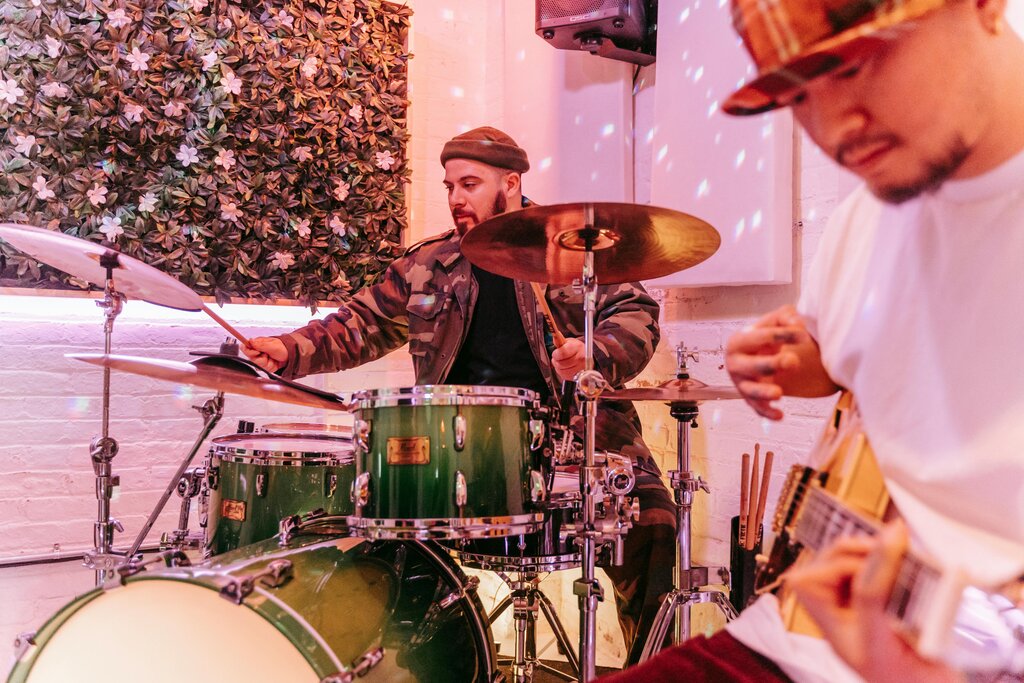
Next comes harmony. Instruments like guitars, pianos, and synthesizers provide the chords. They flesh out the sound and create the emotional mood of the song, whether it's happy, sad, or tense. Harmony is the scenery and atmosphere of your musical world.
Finally, there's the melody. This is the part of the song that gets stuck in your head—the main tune. Most often, the melody is carried by the lead vocalist, but it can also be a guitar solo, a synthesizer line, or a violin part. The melody is the main character of your story.
| Category | Role in the Song | Common Instruments |
|---|---|---|
| Rhythm | Provides the beat and groove | Drums, Bass, Percussion |
| Harmony | Creates the emotional mood | Guitar, Piano, Synths |
| Melody | Carries the main tune | Vocals, Lead Guitar, Saxophone |
Getting It Recorded
Once you know what instruments you'll use, you need to capture their sound. This is where basic recording techniques come in. Your goal is to get a clean, clear signal for each instrument, which you'll later arrange and mix.
For acoustic instruments and vocals, you'll use a microphone. The key is placement. You don't need a fancy studio, but you should record in a quiet room with soft surfaces, like carpets and curtains, to reduce echo. A simple trick for vocals is to place a "pop filter"—a mesh screen—between the singer and the microphone. This softens harsh "p" and "b" sounds.

For many electronic instruments, like electric guitars, bass guitars, and synthesizers, you can skip the microphone. Instead, you can plug them directly into an audio interface, which is a box that connects your instruments to your computer. This is called recording "direct input," or DI. It captures a very clean, noise-free sound that's easy to work with later.
Whether you're using a mic or going direct, always record each instrument on its own separate track. This gives you the flexibility to edit and mix them individually.
The Digital Command Center
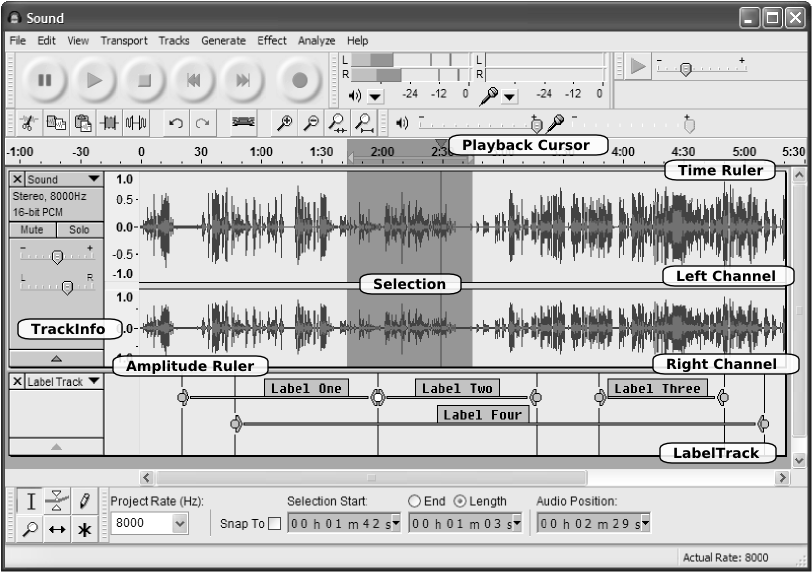
All your recorded sounds come together in a piece of software called a Digital Audio Workstation, or DAW. This is your virtual studio. It’s where you arrange, edit, and mix all the different parts of your song into a final track. Think of it as a word processor for music.
DAW
noun
A Digital Audio Workstation is an electronic device or application software for recording, editing, and producing audio files.
Inside a DAW, each instrument appears on its own timeline, often visualized as a waveform. You can see the entire song laid out from left to right. This visual layout allows you to move parts around, cut out mistakes, and adjust the volume of each track. Popular DAWs include Ableton Live, Logic Pro X, FL Studio, and Audacity. Many have free versions to get you started.
Structuring Your Song
With all your parts recorded and loaded into your DAW, the final step is arrangement. This is the process of deciding how to structure your song. Most popular music follows a predictable pattern that keeps listeners engaged.
The most common elements are the verse, chorus, and bridge.
- Verse: This is where the story of the song unfolds. The melody is usually consistent across verses, but the lyrics change each time.
- Chorus: This is the song's main message or catchy hook. The melody and lyrics are typically the same each time it appears. It's often the most energetic part of the track.
- Bridge: This section provides a change of pace. It introduces a new musical or lyrical idea to break up the repetition of the verse and chorus, before usually leading back to a final chorus.
A classic song structure is: Verse 1, Chorus, Verse 2, Chorus, Bridge, Chorus. This creates a satisfying sense of tension and release for the listener.
Arrangement is about building momentum. You might start a song with just a piano, add drums and bass in the first verse, and then bring in all the instruments for the big chorus. By adding and removing elements, you create a dynamic journey that holds the listener's attention from beginning to end.
Now, let's test what you've learned.
In a song, which category of instruments is primarily responsible for the main, memorable tune that you might hum along to?
What is the primary advantage of recording an electric guitar using "direct input" (DI) instead of a microphone?
Understanding these basic building blocks—instrument roles, recording, DAWs, and arrangement—is the first step to producing your own music. It’s a process of taking an idea and giving it shape, sound, and emotion.