Launch Your E-commerce Store
E-commerce Fundamentals
What is E-commerce?
Electronic commerce, or e-commerce, is simply the buying and selling of goods or services using the internet. It also includes the transfer of money and data to execute these transactions. When we talk about e-commerce, we're not just referring to the final click to purchase. It's the entire process: from a customer browsing your online catalog to the moment the product arrives at their doorstep.
This article focuses on a specific, common type of e-commerce: businesses that own and manage their own inventory. This is the traditional retail model adapted for the digital world. You buy products from suppliers, store them in a warehouse or stockroom, and when a customer places an order online, you pick, pack, and ship the item yourself.
Common Business Models
E-commerce isn't a one-size-fits-all concept. Businesses sell to different types of customers, which shapes how they operate. Understanding these models helps clarify who your customers are and how you'll reach them.
| Model | Stands For | Who is the Customer? | Example |
|---|---|---|---|
| B2C | Business-to-Consumer | Individual people | An online store selling clothing or electronics directly to shoppers. |
| B2B | Business-to-Business | Other companies | A wholesaler selling office supplies in bulk to various businesses. |
| D2C | Direct-to-Consumer | Individual people | A shoe brand that manufactures its own products and sells them only through its own website, skipping traditional retailers. |
While B2C is what most people think of when they hear "e-commerce," the B2B market is massive. D2C is a growing segment of B2C that gives manufacturers complete control over their brand and customer relationships.
Benefits and Challenges
Operating an online store opens up a world of opportunities, but it comes with its own set of hurdles.
One of the biggest advantages is global reach. A physical store is limited by its location, but an e-commerce website can attract customers from anywhere. This can dramatically expand your potential market. Additionally, the overhead for an online store is typically lower than for a brick-and-mortar shop. You save on rent for a prime retail location, in-store staff, and utilities.
However, the low barrier to entry means competition is fierce. You're not just competing with local shops, but with businesses all over the world. This makes it crucial to stand out. Another significant challenge is logistics. Managing inventory, ensuring timely shipping, and handling returns can be complex and costly. Finally, building trust online is essential. Without face-to-face interaction, you must rely on a professional website, clear communication, and excellent customer service to convince shoppers you're legitimate and reliable.
The greatest benefit of e-commerce is its reach, but its greatest challenge is turning that reach into trusted customer relationships.
Essential Components
To launch a successful e-commerce business, you need a few core components working together seamlessly.
Your e-commerce platform is your business’s foundation.
1. Website and Platform: This is your digital storefront. It needs to be easy for customers to navigate, find products, and make a purchase. Many businesses use platforms like Shopify, BigCommerce, or Magento, which provide templates and tools to build a store without needing to code it from scratch. Good design, high-quality product photos, and clear descriptions are non-negotiable.
2. Payment Processing: This is your digital cash register. A payment processing system, or payment gateway, securely captures a customer's payment information and facilitates the transaction between their bank and yours. Services like Stripe, PayPal, and Square are popular because they handle the complex security requirements of online payments, protecting both you and your customer.
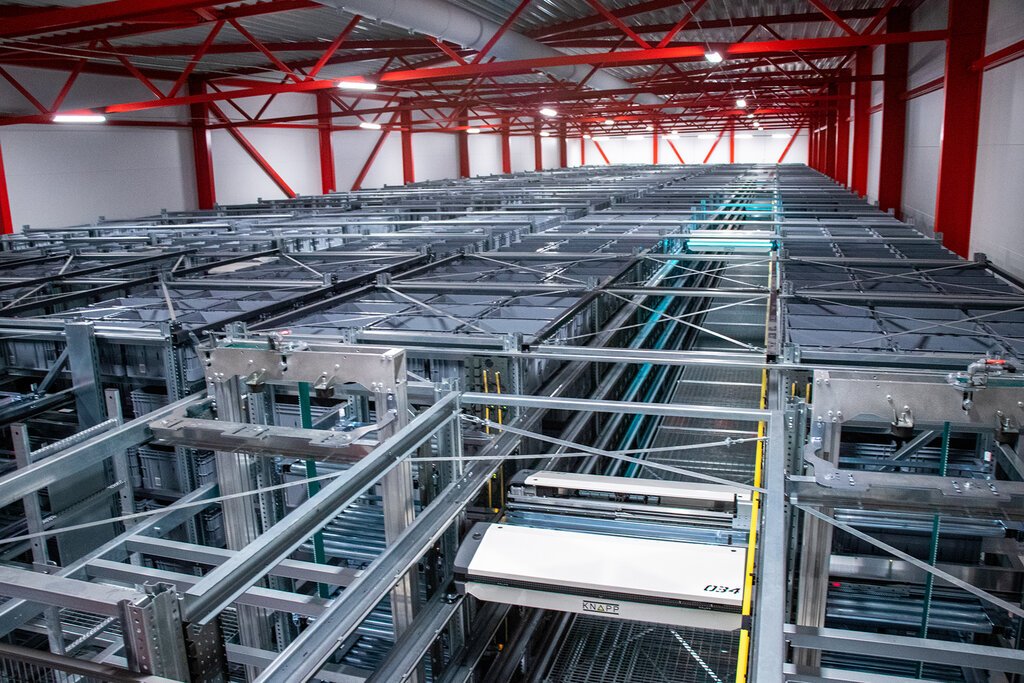
3. Logistics and Shipping: This is the physical backbone of your online store. It covers everything from where you store your inventory (your warehouse, a spare room, etc.) to how you get orders to your customers. This involves choosing shipping carriers (like FedEx, UPS, or the postal service), calculating shipping costs, printing labels, and packing orders securely. For businesses managing their own inventory, an organized warehouse is key to fulfilling orders quickly and accurately.
These three components are the engine of any e-commerce operation. A great website attracts customers, a smooth payment system lets them buy with confidence, and reliable logistics ensures they get what they paid for.
Ready to check your understanding? Let's review the key concepts.
What is the most complete definition of e-commerce?
Which of the following is considered a major advantage of running an e-commerce business compared to a traditional brick-and-mortar store?
With these fundamentals in place, you have a solid framework for building and growing an online business.