Launch Your E-commerce Empire
Understanding E-commerce Fundamentals
What Is E-commerce?
At its core, e-commerce, or electronic commerce, is simply the buying and selling of goods or services using the internet. It's the digital version of a neighborhood shop, a downtown department store, and a bustling marketplace, all rolled into one and accessible from your phone or computer.
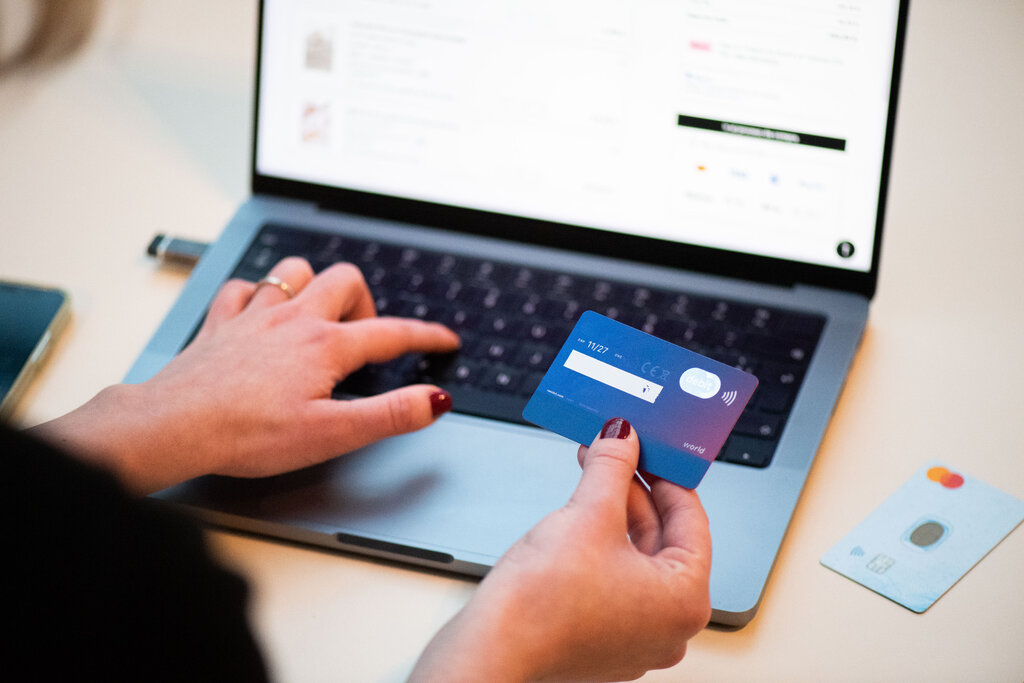
Think about the last thing you bought online. Maybe it was a book, a new shirt, or even your groceries. That transaction was part of a massive global economy. E-commerce has changed not just how we shop, but also how businesses operate. It allows a small, home-based craft business to reach customers on the other side of the world, and it lets large corporations manage complex supply chains with greater efficiency. It's the engine behind a huge portion of the modern economy.
Four Ways to Sell Online
E-commerce isn't a one-size-fits-all model. Businesses sell to different types of customers, which shapes how they operate. The most common models are defined by who is selling and who is buying.
Understanding these models helps clarify the relationship between the seller and the customer in any online transaction.
Business-to-Consumer (B2C): This is the most familiar model. A business sells its products or services directly to individual people. When you buy a pair of headphones from an online electronics retailer, you're participating in B2C e-commerce.
Business-to-Business (B2B): Here, businesses sell to other businesses. This could be a software company selling project management tools to a construction firm, or a supplier selling bulk materials to a manufacturer.
Consumer-to-Consumer (C2C): These are online marketplaces that connect individuals to sell to each other. Think of sites like eBay or Facebook Marketplace, where you can sell a used bike or a vintage jacket to another person.
Direct-to-Consumer (D2C): In this model, a brand sells its own products directly to customers without any retailers, wholesalers, or other middlemen. A mattress company that only sells its products through its own website is a classic D2C example. This gives them more control over their brand and customer relationships.
| Model | Seller | Buyer | Example |
|---|---|---|---|
| B2C | Business | Consumer | Buying a book from Amazon |
| B2B | Business | Business | A firm buying Salesforce software |
| C2C | Consumer | Consumer | Selling old furniture on eBay |
| D2C | Business | Consumer | Buying glasses from Warby Parker's site |
The Upside of an Online Business
Starting an online business has several compelling advantages over a traditional brick-and-mortar store.
One of the biggest draws is the significantly lower startup cost. You don't need to rent a physical storefront, hire in-person staff, or manage the overhead that comes with a physical location. An online store can be run from a laptop in a spare room.
This leads to greater flexibility. An e-commerce business can be managed from anywhere with an internet connection, offering a level of freedom that's hard to match. It also opens the door to a global customer base. A shop in a small town is limited to local foot traffic, but an online store can sell to customers in another state or another country.
Finally, e-commerce businesses are highly scalable. As your business grows, you don't need to find a larger retail space. You can expand your product line, reach more customers, and increase sales by upgrading your website and logistics, which is often simpler and cheaper than physical expansion.
Navigating the Challenges
Despite the benefits, running an e-commerce business isn't without its difficulties. The low barrier to entry means that competition is fierce. With millions of online stores, standing out and attracting customers can be a major hurdle. Getting noticed in a crowded market requires effort and a clear plan.
Customer acquisition is another key challenge. You can't rely on people walking past your window. You have to find ways to bring customers to your digital doorstep. This often means learning about online marketing and advertising.
Technology is both a blessing and a curse. While it enables e-commerce, it's also constantly changing. Keeping up with new platforms, payment systems, and security standards is an ongoing task. What works today might be outdated tomorrow, so a willingness to adapt is crucial for long-term success.
Time to review what you've learned.