Launch Your Direct-to-Consumer Business
Introduction to E-Commerce
The Basics of Selling Online
At its core, e-commerce is just the act of buying and selling goods or services using the internet. Instead of walking into a physical store, you browse a website, click a few buttons, and a package arrives at your door. This simple idea has completely reshaped how we shop.
E-Commerce
noun
Short for electronic commerce, it's the buying and selling of goods or services over an electronic network, primarily the internet.
The concept isn't entirely new. Businesses have been using electronic networks to trade since the 1970s, but it was the rise of the World Wide Web in the 1990s that brought e-commerce into our homes. Companies like Amazon and eBay were pioneers, creating online marketplaces that changed retail forever.
The Direct-to-Consumer Model
For decades, the path a product took to reach you was pretty standard. A manufacturer made the product, sold it to a wholesaler, who then sold it to a retail store, where you finally bought it. Each middleman added a markup to the price.
E-commerce opened up a new path: direct-to-consumer, or DTC. In this model, the brand that makes the product sells it directly to the customer online, cutting out all the intermediaries.
Think of brands that sell exclusively through their own website. They control the entire customer experience, from the first ad you see to the box that arrives at your doorstep.
Advantages of Going Direct
Cutting out the middleman comes with significant benefits. The most obvious is financial. Without wholesalers and retailers taking a cut, brands can achieve higher profit margins. But the advantages go beyond just money.
DTC allows us to own the customer relationship, test new products, and create a deeper brand experience.
Selling directly means you have a direct line to your customers. You get unfiltered feedback, learn what they like and dislike, and can build a loyal community around your brand. This relationship allows you to be more agile, quickly testing new products or marketing messages based on real data.
| Feature | Traditional Retail | Direct-to-Consumer (DTC) |
|---|---|---|
| Profit Margin | Lower (shared with middlemen) | Higher (brand keeps full margin) |
| Customer Data | Limited (retailer owns the data) | Rich (brand owns all data) |
| Brand Control | Partial (depends on retailer) | Full control over experience |
| Feedback Loop | Slow and indirect | Fast and direct |
| Pricing | Less flexible | Full control over pricing & promos |
Common Challenges
While the DTC model is powerful, it’s not without its hurdles. When you sell directly, you are responsible for everything. This includes marketing, website management, customer service, and order fulfillment. Traditional retailers handle many of these tasks for the brands they carry.
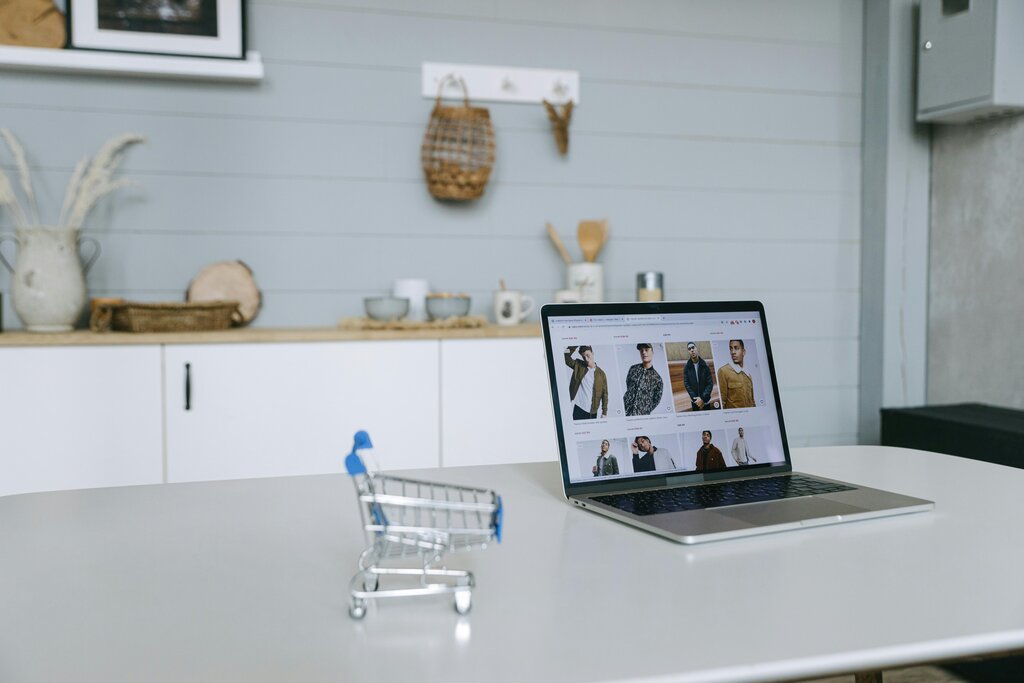
The biggest challenge is often customer acquisition. Without the foot traffic of a big-box store or the built-in audience of a large online marketplace, DTC brands must find their own customers. This usually means spending significant money on digital advertising, which can be expensive and competitive.
Furthermore, the logistics of packing and shipping individual orders can be complex and costly. Customers have high expectations for fast, cheap shipping, and meeting those expectations is a major operational challenge for many new DTC businesses.
What is the core activity of e-commerce?
What key element is removed in the direct-to-consumer (DTC) model compared to the traditional retail path?
Understanding these core concepts is the first step. DTC offers a powerful way to build a brand, but success depends on navigating its unique set of advantages and challenges.