Launch Your Cricket Turf Business in Bathinda
Cricket Turf Business Model
Crafting Your Business Model
At its core, a cricket turf business operates on a few primary models. Choosing the right mix is crucial for success in a market like Bathinda.
The most straightforward model is Pay-Per-Hour. Teams or individuals book slots for a fixed fee. It's simple, flexible, and attracts a wide range of customers. However, revenue can be inconsistent, with demand peaking on weekends and evenings.
Next is the Membership Model. Players pay a recurring fee (monthly or annually) for a set number of hours or unlimited access during off-peak times. This creates a predictable revenue stream and builds a loyal community. The challenge is setting a price that offers value without alienating casual players.
Finally, there's Event Hosting. This involves renting out the entire facility for corporate tournaments, school sports days, or local league matches. It can be highly profitable but requires more significant marketing effort and operational coordination.
Know Your Audience in Bathinda
Your business model must be tailored to the local customer base. In Bathinda, your primary target market will likely be local cricket clubs and academies that need regular, high-quality practice facilities. These clients provide consistent bookings and are the bedrock of your schedule.
Your secondary markets are equally important for filling a schedule. This includes schools and colleges for their sports programmes, corporate teams looking for employee engagement activities, and groups of friends or individual players seeking a casual game. Understanding the playing habits of each group is key. For instance, casual players might prefer late-evening slots after work, while schools would need daytime hours.
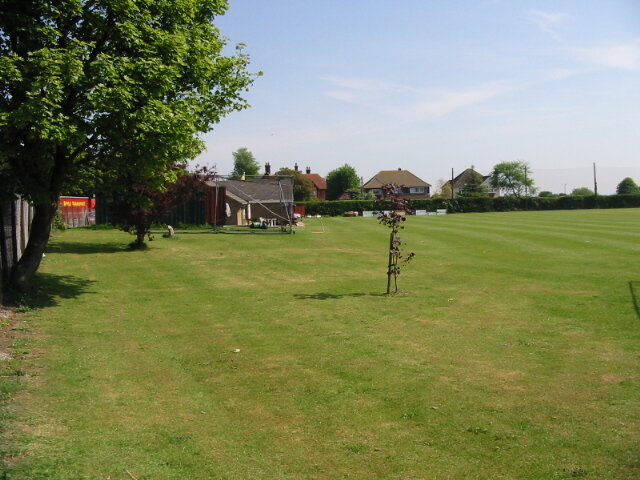
To gauge demand, start by mapping out all existing cricket facilities in and around Bathinda. This includes other private turfs, school grounds, and public parks. Note their quality, pricing, and booking availability. Engage with local cricket associations and coaches; they have a direct pulse on the current shortage or surplus of quality pitches. Their insights can validate your assumption that a new, modern facility is needed.
Standing Out from the Crowd
Once you've mapped the competition, it's time to define your Unique Selling Propositions (USPs). What will make players choose your turf over others? Simply being a new facility isn't enough. Your USP could be tangible, like having professional-grade turf, superior floodlighting for night matches, or an automated online booking system.
Alternatively, it could be service-based. Perhaps you offer video analysis technology for players to review their game, or you build a strong community with regular tournaments and leaderboards. Don't underestimate the power of a clean, well-maintained facility with good amenities like ample parking, clean washrooms, and a comfortable seating area. These small details significantly enhance the customer experience and justify a premium price.
A sustainable business model relies on multiple revenue streams beyond just renting the pitch. Think about what your customers might need before, during, or after their game. This not only increases your profitability but also makes your facility a one-stop shop for cricket enthusiasts.
| Revenue Stream | Description |
|---|---|
| Equipment Rental | Offer bats, balls, pads, and helmets for rent. Caters to casual players who don't own a full kit. |
| Coaching Academy | Partner with certified coaches to run regular coaching programmes for different age groups. |
| Food & Beverage Kiosk | A simple kiosk selling drinks, snacks, and refreshments can be a significant source of profit. |
| Merchandise Sales | Sell basic cricket supplies like grips, tape, and perhaps branded T-shirts or caps. |
| Sponsorships | Sell advertising space on boundary boards or nets to local businesses targeting a sporting audience. |
The Value Chain
Understanding your cricket turf's value chain helps you see the business as a complete system. It maps out the key activities that create value for your customers. It begins with inbound logistics: procuring quality turf, maintenance equipment, and other supplies. This is followed by operations, the core of your business. This includes managing bookings, maintaining the pitch and facilities, running coaching sessions, and managing staff.
Finally, outbound logistics is about the customer's experience on-site, from easy check-in to a great game. Supporting these activities are crucial functions like marketing to attract customers, technology for booking and payments, and good management to ensure everything runs smoothly. Optimising each step in this chain leads to higher efficiency and a better customer experience.
With these foundational elements in place, you have a strategic blueprint. Now, let's test your understanding of how to build a robust business model for your cricket turf.
Which business model is designed to create the most predictable and consistent revenue stream for a cricket turf?
In the context of the Bathinda market, who is identified as the primary target market that forms the 'bedrock' of the schedule?
By carefully considering these elements, you can create a business model that is not only profitable but also becomes a valued part of Bathinda's sporting landscape.