Launch Your Creator Community
Understanding Online Communities
More Than Just a Course
Think about any hobby or interest you've had. Chances are, you sought out other people who shared it. You might have joined a book club, a sports team, or just a group of friends who liked the same music. An online community is the digital version of that space. It’s a place where people with a shared interest, in this case your course topic, can gather to connect, share, and learn from each other.
For creators and entrepreneurs, a community isn't just a nice-to-have feature. It transforms a one-way transfer of information, you talking to your students, into a dynamic, multi-way conversation. It's the difference between a lecture and a lively workshop.
Building a sense of community in online career counseling courses is essential for fostering a collaborative learning environment.
Why Bother with a Community?
Fostering a community around your course offers powerful benefits. First, it boosts engagement. When learners can discuss topics, ask questions, and share their wins, they become more invested in the material. A lonely student might drop off, but a connected one is more likely to stick around and complete the course.
Second, it creates a powerful support network. Students can help each other with tricky concepts, offering different perspectives and explanations. This peer-to-peer support takes some of the pressure off you as the instructor and empowers learners to become resources for one another.
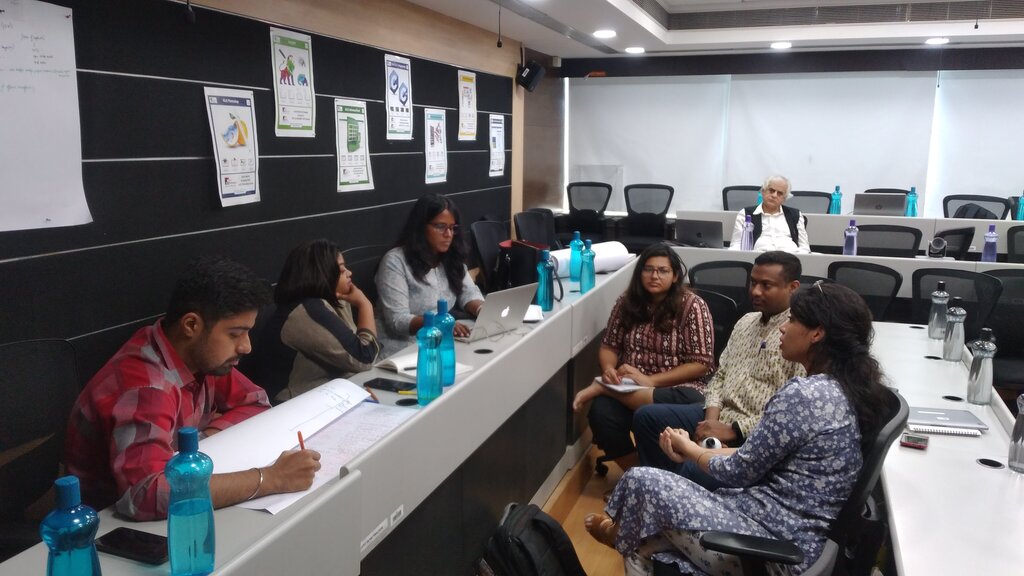
Finally, a community is an invaluable source of feedback. By listening to the conversations, you get a direct line into what your students are excited about, confused by, or wish you'd cover next. This is gold for improving your current course and developing new ones that your audience actually wants.
Where Do Communities Gather?
Online communities can live in many different kinds of digital spaces. The three most common are forums, social media groups, and dedicated platforms. Each has its own flavor and is suited for different goals.
Forums are classic, topic-based discussion boards. Think of a library with different rooms for every subject. They are great for organized, in-depth conversations that can be easily searched later.
Social Media Groups (like on Facebook or LinkedIn) are convenient because they meet your audience where they already spend their time. They are easy to set up and great for casual interaction, but can be distracting and you have less control over the experience.
Dedicated Platforms (like Circle, Mighty Networks, or Discord) are purpose-built for communities. They offer the most control over branding, features, and user experience, creating a focused, private space. However, they often come with a cost and require members to join a new platform.
| Platform Type | Best For | Potential Downside |
|---|---|---|
| Forums | Deep, organized discussions | Can feel dated; requires effort to visit |
| Social Media | Casual engagement & accessibility | Distractions; algorithm dependency |
| Dedicated | Focused, branded experience | Higher cost; barrier to entry |
Now, let's test your understanding of these core concepts.
What is the primary function of an online community in the context of a course?
A key benefit of a course community is that it creates a support network where students can help each other with difficult concepts.
Understanding these options is the first step. The right space will depend on your audience and the kind of interaction you want to encourage.