Launch Your CPG Brand
Market Research
Understanding Your Customers
Before creating a product or service, you first need to understand who it's for. This is the core of market research. It's less about asking “What can I sell?” and more about asking “What do people need?” A great way to start is by studying consumer behavior.
Consumer behavior analysis is the process of looking at how people make decisions about what they buy, use, or support. It digs into their purchasing patterns, their motivations, and the feedback they share. Think about it like being a detective. You might look at online reviews to see what frustrates people about existing products. You could track what items are frequently bought together to understand purchasing habits. Or you might use surveys to ask direct questions about their preferences.

This research gives you a clear picture of your potential customer. What problems are they trying to solve? What influences their choices? By gathering this information, you can stop guessing what people want and start knowing.
Finding Your Opening
Once you understand the customer, you can start looking for market gaps. A market gap is an opportunity—a customer need that isn't being met by existing products or services. It’s a space where you can offer something unique and valuable.
For example, for years, people who couldn't drink dairy milk had few alternatives. This was a massive market gap. The rise of oat, almond, and soy milk filled that gap for millions of consumers seeking plant-based options.
Finding these gaps involves looking at market trends and analyzing your competitors. What are other companies doing well? More importantly, what are they overlooking? Sometimes a gap isn't a completely new product, but a better version of something that already exists or a service for a specific group of people who are being ignored.
Market research should focus on identifying underserved segments and understanding the specific needs of your target customers.
Letting Data Lead the Way
Great market research relies on evidence, not just intuition. Data-driven decision-making means using the information you've collected to guide your strategy. Instead of assuming a new feature will be popular, you can look at survey data that shows what customers actually want.
Imagine a company wants to add a new feature to its app. They survey 100 users to compare two ideas: 'Dark Mode' and 'Social Sharing'.
| Feature | How many want it? | How important is it (1-5)? |
|---|---|---|
| Dark Mode | 78 | 4.5 |
| Social Sharing | 22 | 2.1 |
The data makes the decision clear. More people want Dark Mode, and they consider it much more important. This approach reduces risk and helps focus resources on what truly matters to customers.
The Role of AI
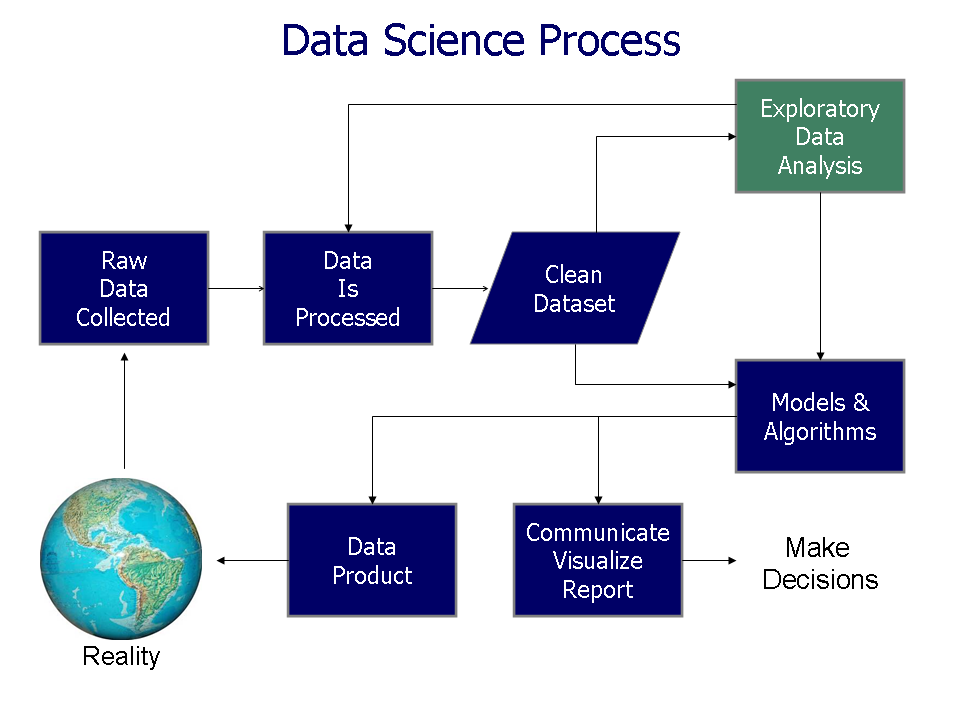
Artificial intelligence is changing the game for market research. AI can analyze massive datasets far faster than any human, uncovering patterns and trends that would otherwise go unnoticed. This is especially useful for understanding consumer behavior on a large scale.
AI PMs need to approach AI initiatives differently by exploring data first to identify and vet business opportunities.
Here are a few ways AI helps:
- Sentiment Analysis: AI can scan thousands of social media comments, reviews, and articles to gauge public opinion about a product, brand, or topic. It can tell you if the general feeling is positive, negative, or neutral.
- Predictive Analytics: By analyzing past purchasing data, AI can forecast future trends. This can help a business anticipate demand or identify the next big thing.
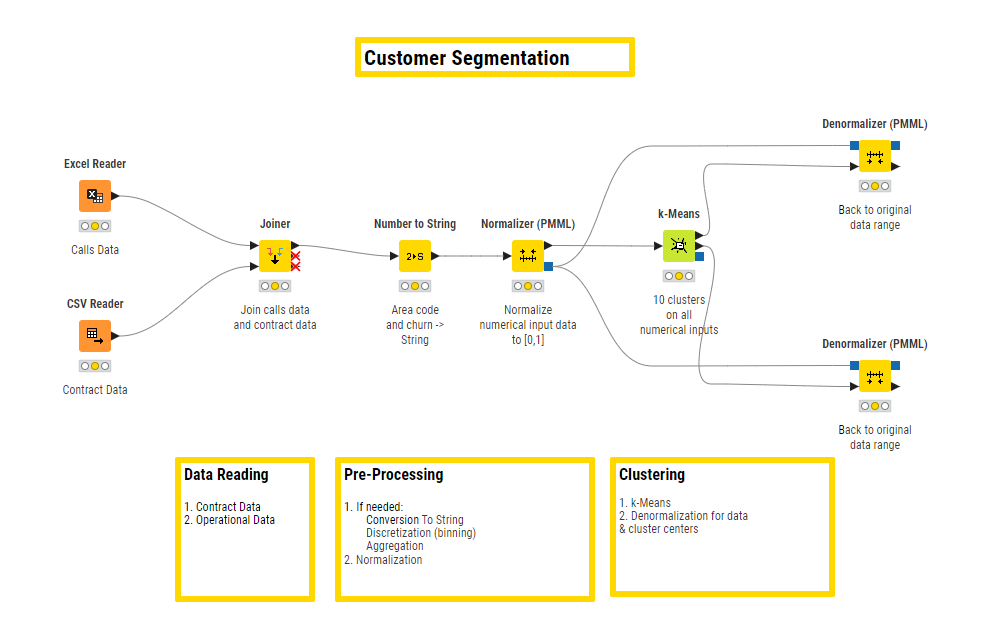
- Customer Segmentation: AI algorithms can group customers into specific segments based on their behavior, demographics, and preferences. This allows for more targeted and effective marketing.
Using AI doesn't replace the need for human insight, but it provides powerful tools to make research more accurate and efficient. It helps you listen to the market at scale, ensuring your decisions are based on a deep, data-backed understanding of your customers.
Time to review what you've learned about market research.