Launch Your Coaching and Podcasting Business
Market Research
Know Your Audience
Before you record a single minute of audio or design a coaching package, you need to know who you're talking to. And “everyone” is not an answer. The key to a successful coaching business or podcast is finding a specific group of people and serving them exceptionally well. This starts with understanding two types of information about them: demographics and psychographics.
Demographics
noun
Statistical data relating to the population and particular groups within it.
Demographics are the basic, factual details about your audience. Think of them as the 'who' and 'where' of your listeners or clients. This includes things like age, gender, location, income level, and occupation. Knowing this helps you make practical decisions. For example, a podcast for college students will have a very different tone and reference points than one for retired executives.
Psychographics
noun
The study and classification of people according to their attitudes, aspirations, and other psychological criteria.
If demographics are the 'who,' psychographics are the 'why.' This is where you dig deeper into your audience's inner world. What do they value? What are their goals and aspirations? What keeps them up at night? For a coach or podcaster, this is gold. It's the difference between creating generic content and creating something that makes a person feel truly seen and understood.
Demographics help you find your audience, but psychographics help you connect with them.
Size Up the Competition
You aren't creating your podcast or coaching business in a vacuum. Other people are already serving the audience you want to reach. Understanding what they're doing is not about copying them; it’s about finding your unique space in the market.
By researching companies active in your market or niche, you can identify market gaps, avoid common pitfalls, and most importantly of all - refine your unique value proposition so that your idea has a chance to stand out in the competitive landscape.
Start by identifying 3-5 other coaches or podcasters in your chosen niche. For each one, analyze their offerings and strategies. What topics do they cover? What is their pricing? How do they talk to their audience? Look at their websites, listen to their podcast episodes, and read their reviews. The goal is to spot patterns and, more importantly, gaps. What are they not doing? Is there an underserved corner of the market? This is where you can shine.
| Question to Ask | Why It Matters |
|---|---|
| What is their main focus or niche? | Helps you see if the market is crowded or has open spaces. |
| What services or products do they offer? | Shows you what customers in this market are already buying. |
| What is their pricing structure? | Gives you a baseline for what the market will bear. |
| What is their tone and style? | Helps you decide if you should adopt a similar tone or a completely different one. |
| What are their strengths and weaknesses? | Customer reviews can reveal what they do well and where they fall short. |
How to Do the Research
So, how do you actually find this information? It doesn't have to be complicated or expensive. The best research often comes from listening directly to your potential audience.
Go where your audience gathers. Find online communities where your ideal clients hang out. This could be Facebook groups, Reddit subreddits, LinkedIn groups, or niche forums. Don't just jump in and promote yourself. Instead, read the posts and comments. What questions are people asking over and over? What problems are they struggling with? This is direct insight into their pain points.
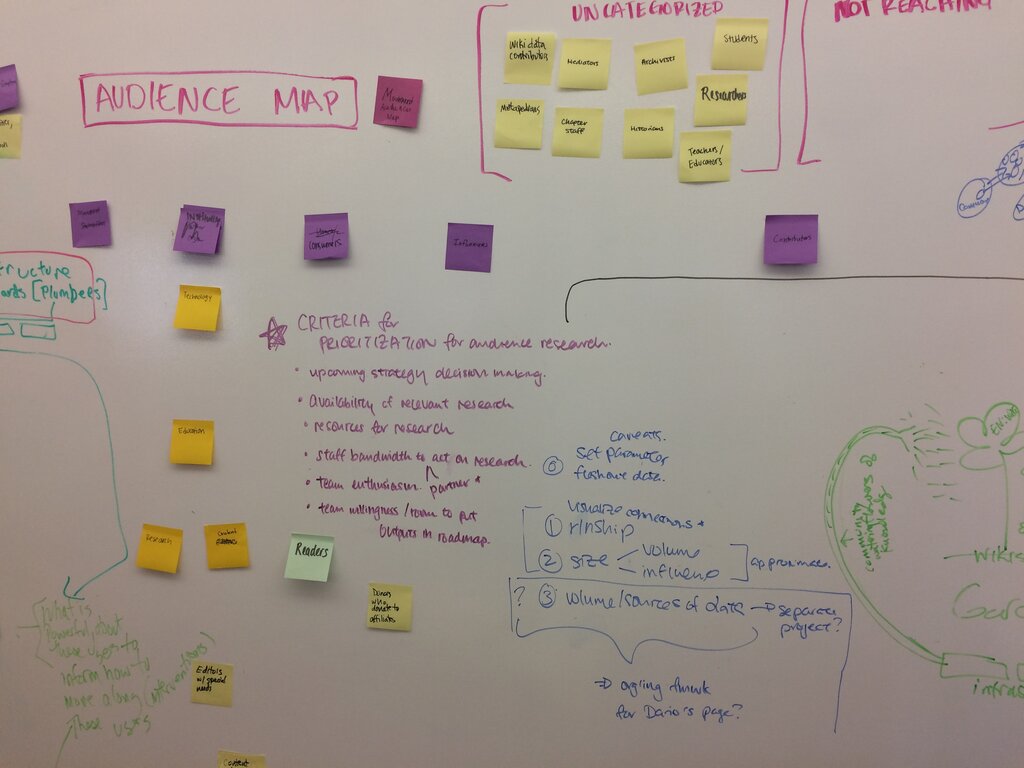
Use keyword research tools. Tools like Google Trends, AnswerThePublic, or even the search bar on sites like YouTube and Pinterest can show you what people are actively searching for related to your topic. If you see a lot of search volume around a particular problem, that's a good sign of market demand.
Talk to people. If you can, conduct short, informal interviews with a few people who fit your target audience profile. Ask them about their challenges, goals, and what they've tried in the past to solve their problems. A 15-minute conversation can give you more valuable information than hours of online searching.
Now you have a better understanding of who to target and what the market looks like. Let's test your knowledge.
Which of the following is an example of demographic information?
If demographics explain the 'who' of your audience, what do psychographics explain?
This research isn't a one-time task. Markets and audiences change, so it's a process you'll want to revisit as your business grows.