Launch Your Children's Cartoon Product
Understanding Children's Media
The World Through a Child's Eyes
Creating media for children isn't just about simplifying adult concepts. It's about entering a completely different world of perception, learning, and emotion. The best children's content understands that young audiences need clarity, repetition, and a sense of safety and optimism. Unlike media for adults, which can explore ambiguity and cynicism, content for kids has a responsibility to be constructive and empowering.
Simplicity is key. Plots are straightforward, character motivations are clear, and themes are presented in a way that a developing mind can grasp. Repetition is also a powerful tool. It helps children learn and provides a comforting sense of predictability. Think of a toddler asking for the same book every single night, or the familiar opening song of a favourite show. This isn't a lack of imagination; it's a fundamental part of how children process information and find security in routine.
It is important to consider a child’s age when selecting digital content, tools, and activities to ensure experiences are age-appropriate and developmentally suitable.
Ultimately, creating for children is about more than just entertainment. It's about shaping a positive worldview and providing tools for understanding the world around them.
Age Is More Than a Number
The term 'children' covers a vast and rapidly changing range of developmental stages. The media that captivates a three-year-old will likely bore a seven-year-old, and what a seven-year-old loves might seem simplistic to an eleven-year-old. Tailoring content to the correct age group is crucial.
A preschooler is just beginning to understand cause and effect. They respond to bright colours, simple songs, and stories about familiar situations like playing with friends or learning to share. By early primary school, children can follow more complex narratives. They enjoy stories with clear problems, relatable heroes, and a satisfying resolution. They are also developing a sense of humour and can appreciate slapstick and witty wordplay.
As children approach the 'tween' years (roughly 9-12), their tastes become more sophisticated. They seek content that reflects their growing independence and deals with more complex social dynamics like friendships, identity, and fitting in. They can handle longer story arcs, more nuanced characters, and deeper emotional themes.
| Age Group | Developmental Focus | Ideal Media Characteristics |
|---|---|---|
| Preschool (2–5) | Learning basics (colours, numbers), emotional recognition, routines. | Simple plots, repetition, songs, bright visuals, familiar themes. |
| Early Primary (6–8) | Problem-solving, developing friendships, understanding rules. | Clear heroes and villains, humour, adventure, relatable challenges. |
| Tweens (9–12) | Identity formation, social dynamics, independence. | Complex characters, ongoing storylines, peer relationships, deeper themes. |
Stories That Shape Us
Storytelling is one of the most powerful tools for child development. Beyond just keeping a child entertained, stories provide a framework for understanding the world, navigating emotions, and learning social skills. When a character in a cartoon learns to share their toys or overcome a fear of the dark, the child watching learns a valuable lesson in a safe, relatable context.
These narratives act as rehearsals for real life. They show children the consequences of actions, the importance of empathy, and strategies for resolving conflict. This is often called 'social-emotional learning', and it's a core component of high-quality children's media.
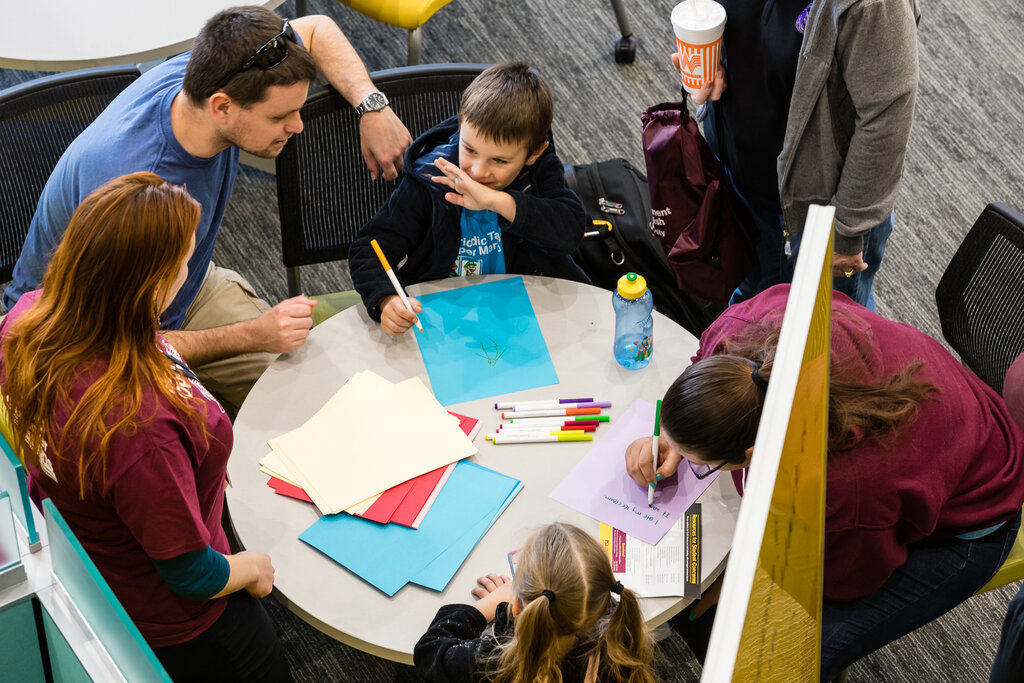
Educational elements don't have to be overt lessons about maths or reading. A show can teach resilience by showing a character who keeps trying after failing. It can teach teamwork by having characters work together to solve a problem. The learning is woven directly into the fabric of the story, making it engaging and memorable.
Case Studies in Success
To see these principles in action, we can look at some of the most successful children's cartoons. Each one excels at understanding its target audience and delivering content that is both entertaining and enriching.
Bluey, an Australian show about a family of Blue Heeler dogs, has become a global phenomenon. Its success comes from its realistic portrayal of family life and its focus on the importance of imaginative play. Each episode presents a simple, child-led game that gently explores concepts like sharing, patience, and empathy. It resonates with both kids and parents because it feels authentic.
Bluey champions creative play as a tool for children to understand their world and connect with their families.
Another great example is Adventure Time. Aimed at an older demographic of tweens and teens, it blended whimsical fantasy with surprisingly deep themes of friendship, loss, and growing up. Its complex world and character arcs provided a rich narrative that evolved with its audience. It showed that children's media can be silly and profound at the same time, trusting its viewers to handle mature emotional concepts within a fantastical setting.
These shows succeed because they don't talk down to their audience. They respect children's intelligence and emotional capacity, providing stories that are fun, meaningful, and memorable.
What is a primary goal of children's media that distinguishes it from content made for adults?
According to the text, why is repetition a key element in content for young children?
Understanding what makes children's media effective is the first step toward creating content that truly connects with young minds.