Launch Your Business From Scratch
Identifying Market Needs
Start With a Problem
Every successful business starts not with a solution, but with a problem. It’s tempting to jump straight to an exciting idea, but the most durable companies are built on a deep understanding of a real, unmet need. Before you build a product or offer a service, you need to know who you're building it for and what specific challenge you're helping them solve.
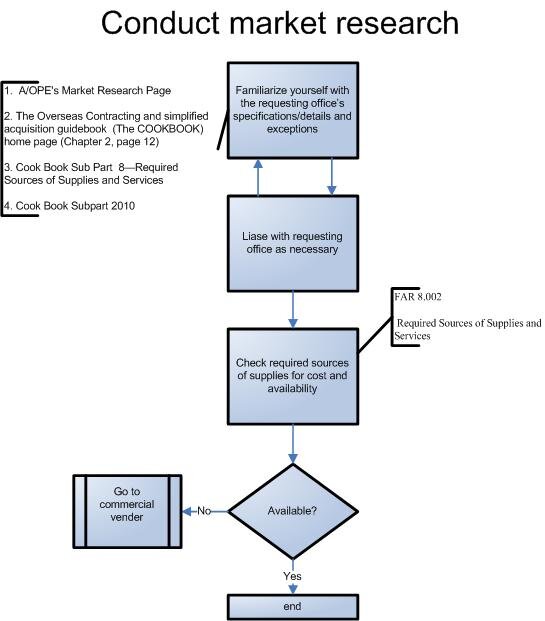
This is where market research comes in. It’s the process of gathering information about your potential customers, competitors, and the overall market. Think of it as detective work for your business idea. Done right, it takes the guesswork out of your strategy and provides a solid foundation for everything that follows.
Thorough market research is essential before turning ideas into concrete businesses.
How to Listen to the Market
Market research isn't a single activity; it's a collection of methods for understanding a market. These methods generally fall into two categories: primary and secondary research.
Primary research is information you gather yourself, directly from the source. It’s tailored to your specific questions. Common techniques include:
- Surveys: Questionnaires sent to a sample of your target audience. They're great for collecting quantitative data, like how many people experience a certain problem.
- Interviews: One-on-one conversations with potential customers. These are perfect for digging into the 'why' behind their behaviors and needs.
- Focus Groups: Guided discussions with a small group of people. This can reveal group dynamics and shared opinions you might miss in individual interviews.
Secondary research involves analyzing information that has already been collected by others. It’s often faster and cheaper than primary research. Examples include:
- Industry Reports: Publications from market research firms that provide broad insights into market size, trends, and forecasts.
- Competitor Analysis: Studying what your potential competitors are doing, what they offer, and what customers are saying about them.
- Government Data: Sources like census bureaus or labor statistics offices offer a wealth of demographic and economic information.
The goal of all this research is to understand consumer behavior. You're looking for patterns. What are people's daily routines? What frustrates them? What are they trying to accomplish, and what's getting in their way? Answering these questions helps you move from general observations to specific insights.
Finding Your Opening
Once you have data, the next step is to find a market gap. A market gap is an unmet need within a specific customer segment. It's an opportunity for a new business to enter the market by offering something that's missing.
Think of a crowded bookshelf. Even if it's full, there might be a small space where a new, different-sized book could fit perfectly. That space is your market gap.
Market gaps can appear in several forms:
- A Product Gap: A feature is missing from existing products.
- A Service Gap: Customer service in the industry is poor.
- A Price Gap: Existing options are too expensive for a segment of the market.
- A Quality Gap: Available products are low-quality and don't last.
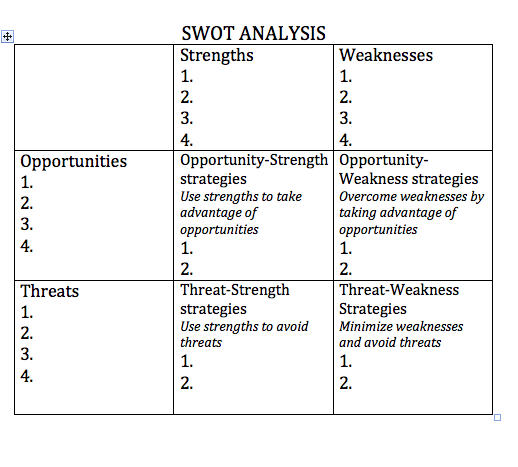
Identifying these gaps requires careful analysis. Tools like a SWOT analysis can help you structure your thinking. SWOT stands for Strengths, Weaknesses, Opportunities, and Threats. By analyzing your own potential strengths and weaknesses alongside the market's opportunities and threats (like strong competitors), you can spot where you have an advantage.
Ultimately, identifying a market need is about empathy. It's about putting yourself in your potential customers' shoes and seeing the world from their perspective. When you can clearly articulate a problem they face, you're on the right path to building a business that matters to them.