Launch Your AI Consultancy for SMBs
Understanding AI Basics
What Is AI?
Artificial intelligence is the science of making machines that can think and learn like humans. It's about creating systems that can perform tasks that typically require human intelligence, such as understanding language, recognizing patterns, and making decisions.
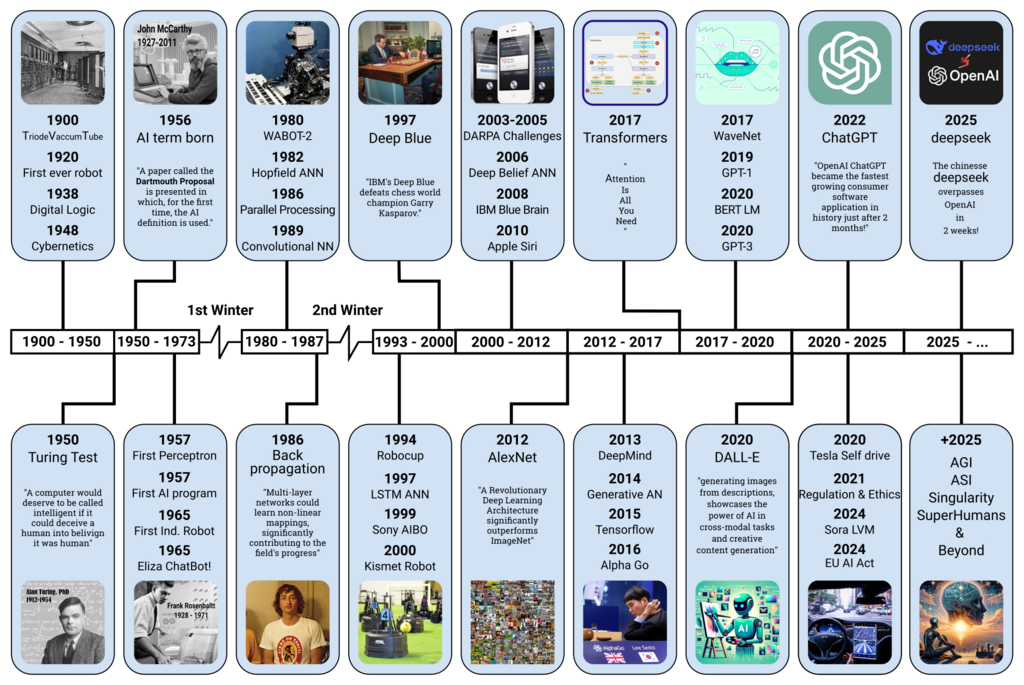
The idea of intelligent machines has been around for centuries, but the modern field of AI officially began in the summer of 1956 at a workshop at Dartmouth College. Since then, AI has gone through periods of rapid progress and quiet lulls, evolving from simple rule-based systems to the complex learning models we see today.
Artificial Intelligence
noun
A field of computer science dedicated to creating systems capable of performing tasks that normally require human intelligence.
The Building Blocks of AI
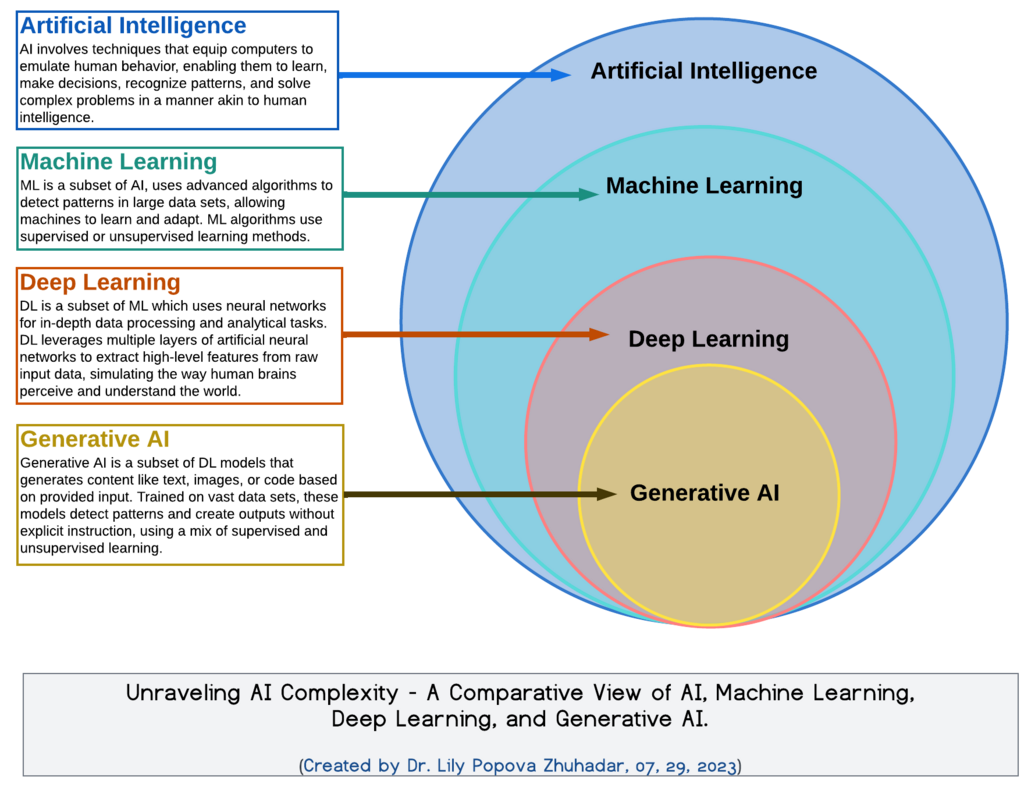
AI isn't a single technology; it's a broad field with many specialized areas. Think of it as an umbrella term that covers several different approaches to creating intelligence. A few of the most important types are machine learning, deep learning, and natural language processing.
Machine Learning (ML) is a subset of AI where systems learn directly from data. Instead of being programmed with explicit rules, an ML model identifies patterns in large datasets. It’s like teaching a child to recognize a dog by showing them thousands of pictures of dogs, rather than writing a long list of rules about what makes a dog.
Deep Learning (DL) is a more advanced type of machine learning. It uses structures called neural networks, which are loosely inspired by the human brain. These networks have many layers, allowing them to learn very complex patterns from vast amounts of data. Deep learning is the powerhouse behind technologies like facial recognition and self-driving cars.
Natural Language Processing (NLP) is another branch of AI focused on the interaction between computers and human language. The goal of NLP is to enable computers to understand, interpret, and generate human language in a way that is both meaningful and useful. Every time you use a translation app, a grammar checker, or a voice assistant like Siri or Alexa, you're using NLP.
AI in the Real World
AI is no longer just a concept from science fiction. It's integrated into many of the products and services we use every day across various industries. Here are just a few examples:
| Industry | Application | AI Type Used |
|---|---|---|
| Healthcare | Analyzing medical images like X-rays to detect diseases earlier. | Deep Learning |
| Finance | Detecting fraudulent credit card transactions in real-time. | Machine Learning |
| Retail | Recommending products to online shoppers based on their browsing history. | Machine Learning |
| Transportation | Powering navigation apps that calculate the fastest route by analyzing traffic. | Machine Learning |
| Entertainment | Curating personalized playlists and movie suggestions on streaming services. | Machine Learning |
| Customer Service | Using chatbots to answer common questions and resolve issues 24/7. | Natural Language Processing |
From helping doctors diagnose illnesses to making our daily commutes more efficient, AI is working behind the scenes to make processes smarter and more effective. Understanding these fundamental concepts is the first step to seeing the technology's potential.
Ready to check your understanding?
What is the primary goal of Artificial Intelligence, as described in the text?
According to the provided information, the modern field of AI is considered to have officially begun at an event in what location?
Grasping these core ideas—what AI is, its main branches, and where it's used—provides a solid foundation for exploring this transformative technology further.