Launch Your $1000/Month Digital Product Business
Understanding Digital Products
What Are Digital Products?
Simply put, a digital product is an item that exists in a non-physical format. It's something you can create, sell, and deliver online without ever needing to manage inventory or ship a package. Think about an ebook, a software application, or an online course. You build it once, and you can sell it over and over again.
A Digital Product is a non-physical item that can be sold and delivered online repeatedly without restocking.
This core idea—create once, sell infinitely—is what makes digital products so powerful. Unlike a physical item like a t-shirt or a coffee mug, there's no manufacturing cost for each new copy. The work is done upfront in the creation process. After that, each sale is almost pure profit.
The Digital Advantage
The benefits of selling digital goods become clear when you compare them to traditional physical products. A physical bookstore needs to stock hundreds of books, manage a storefront, and ship orders to customers. An online store selling ebooks has none of those constraints.
| Feature | Physical Product | Digital Product |
|---|---|---|
| Inventory | Requires storage space | None |
| Production | Ongoing manufacturing costs | One-time creation cost |
| Delivery | Shipping required (slow, costly) | Instant download |
| Scalability | Limited by production capacity | Virtually unlimited |
Because there are no recurring production or shipping costs, digital products have massive profit potential. They also offer incredible convenience for the customer, who gets instant access to their purchase. This model has fueled a booming online marketplace where creators, educators, and entrepreneurs can turn their knowledge and skills into revenue.
The ability to scale is a key advantage. A digital product can be sold to ten customers or ten thousand with no significant increase in resources or effort.
A World of Digital Goods
The term "digital product" covers a wide range of items. They generally fall into a few main categories, each serving a different purpose.
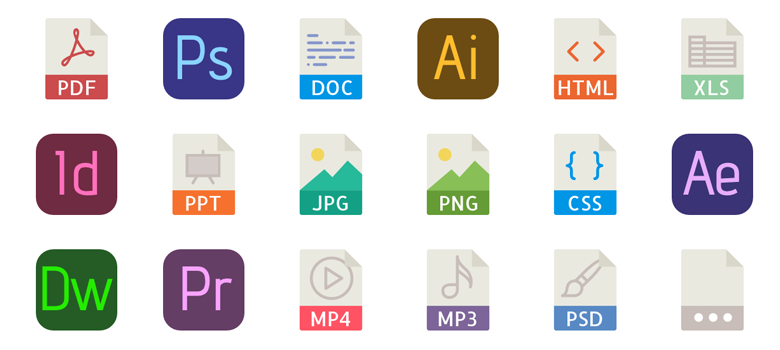
Downloadable Files: This is one of the most common types. It includes ebooks, PDF guides, printable planners, and design templates. These products provide information or a ready-to-use framework for the customer.
Software and Tools: This category is about function. It includes mobile apps, website plugins, desktop software, or even a complex spreadsheet that helps with budgeting. These products are designed to solve a specific problem or streamline a task.
Online Experiences: Many digital products are built around education and community. Online courses, paid webinars, and membership sites fall into this category. They offer access to specialized knowledge or an exclusive group.
Digital Media: These are creative assets. Stock photos, video footage, music tracks, and digital art are all forms of digital media. They are often purchased by other creators or businesses for use in their own projects.
The demand for these products is growing rapidly. People are increasingly looking for online solutions to learn new skills, solve problems, and access creative content. For creators, this opens up a powerful way to generate passive income—earning money from a product that requires minimal ongoing effort after its initial creation.
Ready to check your understanding?
What is the primary financial advantage of a digital product compared to a physical one?
Which of the following is an example of a digital product in the "Software and Tools" category?
With a clear idea of what digital products are and why they're so appealing, you can start to see the opportunities they present in the digital economy.