Launch a Million Dollar Business in a Year
Market Analysis
Know Your Playground
Before you open a shop, launch an app, or start a service, you need to survey the scene. This is market analysis. It’s the essential homework that turns a good idea into a viable business. It’s about asking three core questions: Who are my customers? Who is my competition? And does anyone actually want what I’m offering?
Understanding your market, competition, and customer needs is crucial.
Skipping this step is like trying to navigate a new city without a map. You might get lucky, but you'll probably get lost. A solid market analysis gives you that map, showing you the clear paths, the roadblocks, and the hidden gems.
Finding Your People
A common mistake is thinking your product is for "everyone." If you try to appeal to everyone, you often end up appealing to no one. The key is to find your target market—the specific group of people most likely to buy from you.
To do this, businesses use segmentation. They divide the broad market into smaller, more manageable groups based on shared characteristics. This lets you tailor your product and marketing to the people who will care the most.
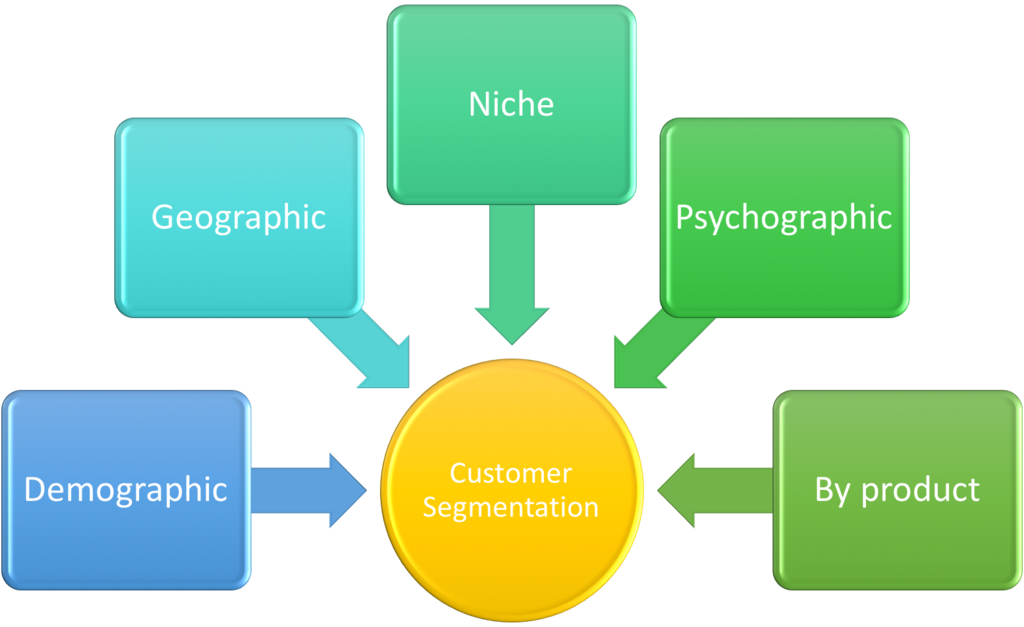
There are four common ways to segment a market:
-
Demographic: This is about statistics. Think age, gender, income, education level, and occupation. Are you selling luxury watches to high-income professionals or durable sneakers to college students?
-
Geographic: Where do your customers live? This could be as broad as a country or as specific as a neighborhood. A company selling snow blowers will have a very different geographic focus than one selling surfboards.
-
Psychographic: This goes deeper into lifestyle, values, and personality. What do your customers care about? Are they eco-conscious, tech-savvy, or adventure-seekers? This helps you understand their motivations.
-
Behavioral: This looks at how customers act. How often do they buy a certain product? Are they loyal to specific brands? Do they look for sales or prioritize quality above all else?
By combining these, you can create a clear picture, or a "customer persona," of your ideal buyer.
Sizing Up the Competition
You’re rarely the only one with a good idea. Understanding your competitors is just as important as understanding your customers. A competitive analysis tells you who you’re up against and helps you find your unique edge.
Start by identifying your direct and indirect competitors. Direct competitors offer a similar product to the same target market (like two different coffee shops on the same street). Indirect competitors solve the same problem with a different solution (a coffee shop and an energy drink company).
Once you know who they are, dig deeper. What are their strengths and weaknesses? This is where you can find opportunities.
A great tool for this is a SWOT analysis. It helps you organize your thoughts about both your own business and your competitors.
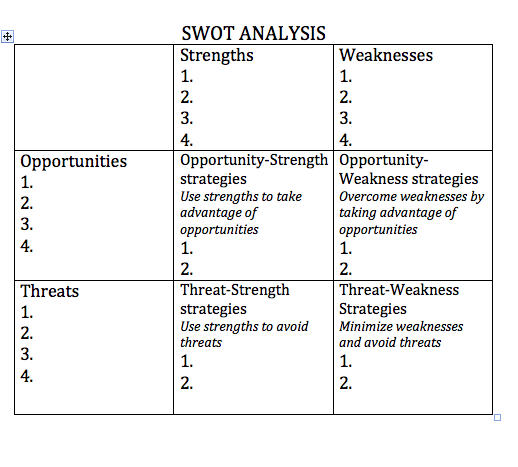
Look at their pricing, product quality, marketing, and customer reviews. Is their product amazing but their customer service terrible? That’s an opportunity. Do they have a loyal following but are slow to adopt new technology? That’s another opening. Your goal isn't to copy them, but to learn from them and find a gap in the market that you can fill.
Is There a Demand?
You've identified your ideal customer and scoped out the competition. Now for the million-dollar question: Will people actually buy what you're selling? This is called assessing market demand.
Demand isn't just about whether people like your idea; it's about whether they're willing to pay for it. You need to find out if the problem you're solving is a real pain point for your target market. How do you find out?
demand
noun
A consumer's desire to purchase goods and services and willingness to pay a price for a specific good or service.
You can use several methods to gauge demand:
-
Surveys and Questionnaires: Directly ask your target audience about their needs, frustrations, and what they'd be willing to pay for a solution.
-
Keyword Research: Look at what people are searching for online. Tools like Google Trends can show you if interest in a topic is growing or shrinking over time.
-
Analyze Industry Trends: Read reports and articles about your industry. Is the market growing? Are there new technologies or cultural shifts creating new needs?
-
Test a Prototype: Create a basic version of your product or service, often called a Minimum Viable Product (MVP), and see how people react. Their feedback is invaluable.
Assessing demand reduces your risk. It helps confirm that you’re building something people actually want, not just something you think they want.
Before you move on, take a moment to review these concepts.
What are the three core questions a market analysis aims to answer?
A company selling premium, sustainable hiking gear wants to understand its customers' values, such as a commitment to environmentalism and a love for the outdoors. Which type of market segmentation should they focus on?
Market analysis provides the foundation for your entire business strategy. By understanding your customers, competitors, and the demand for your offering, you can create a plan that is grounded in reality and positioned for success.