Launch a Coffee Export Intelligence Service
Coffee Industry Overview
Coffee's Global Footprint
Coffee is more than just a morning ritual; it's a global industry. Billions of cups are consumed daily, making it one of the world's most traded commodities. But not all coffee is created equal. The vast world of coffee is dominated by two main species of beans: Arabica and Robusta.
Think of them as the two main families in the coffee kingdom. Each has its own personality, preferences for where it lives, and a distinct taste.
Arabica (Coffea arabica) is the more popular of the two, accounting for over 60% of the world's coffee production. It thrives in high-altitude regions with steady rainfall and mild temperatures. These beans are known for their complex aroma and flavor, often with bright, fruity, or floral notes. They have a higher acidity and lower caffeine content compared to their counterpart.
Robusta (Coffea canephora) is hardier, as its name suggests. It can grow in hotter climates and is more resistant to disease. Robusta beans produce a strong, full-bodied coffee with a distinctive earthy flavor and a creamy finish. They pack a punch with significantly higher caffeine content, making them a popular choice for espresso blends and instant coffee.
| Feature | Arabica | Robusta |
|---|---|---|
| Flavor | Complex, aromatic, fruity, sweet | Strong, earthy, rubbery |
| Acidity | Higher | Lower |
| Caffeine | ~1.5% by weight | ~2.5% or more by weight |
| Growing Needs | High altitude, mild climate | Hot climate, irregular rain |
| Bean Shape | Oval | Round |
| World Market | ~60% or more | ~30-40% |
The Bean Belt
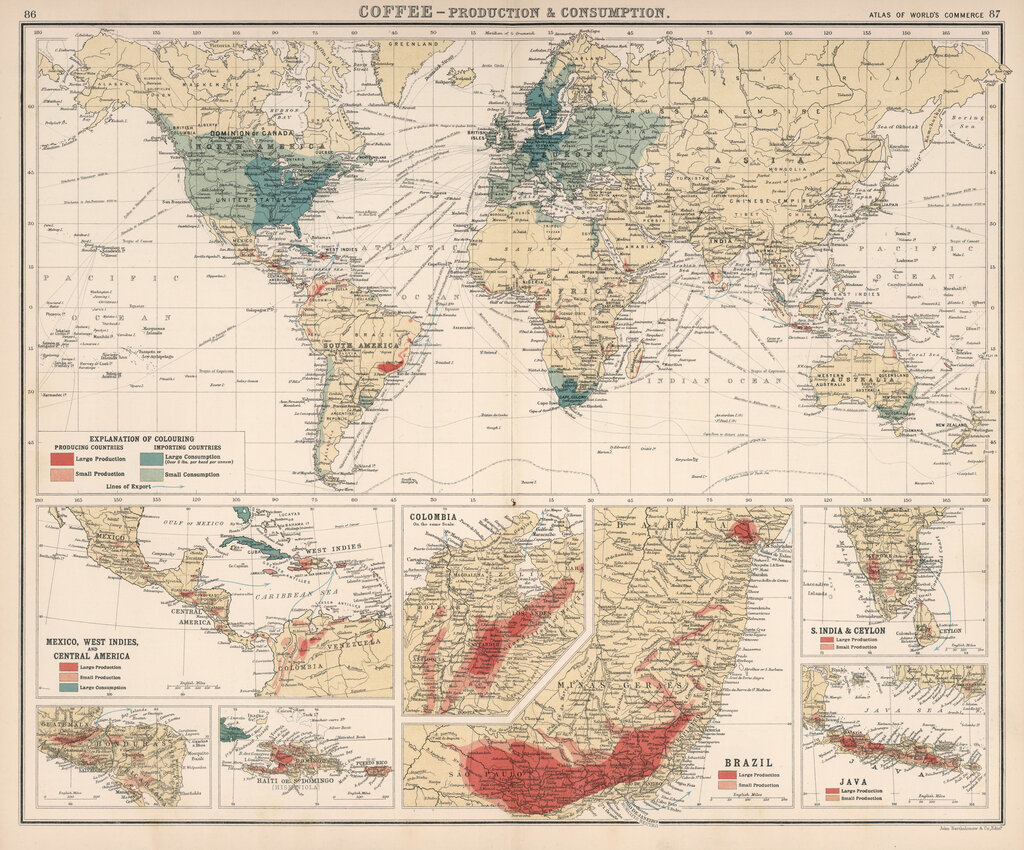
Coffee plants are picky about where they grow. They flourish in a specific band of equatorial regions known as the "Bean Belt," which lies between the Tropics of Cancer and Capricorn. This zone offers the perfect combination of altitude, climate, and soil for coffee cultivation.
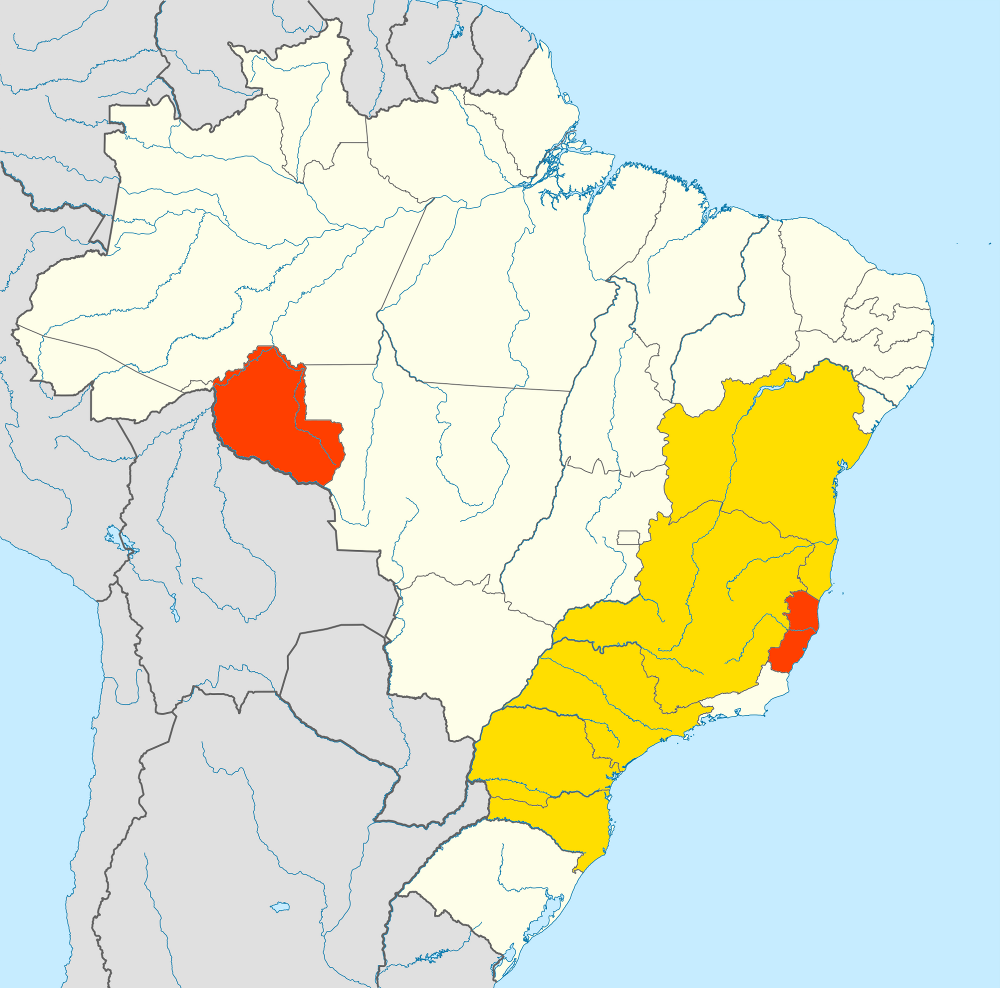
Brazil is the undisputed giant of coffee production, leading the world in output for over a century. It's a major producer of both Arabica and Robusta. Vietnam is the second-largest producer, specializing primarily in Robusta. Colombia is famous for its high-quality Arabica beans, prized for their mild, well-balanced flavor. Other key players in this global market include Indonesia, Ethiopia (the birthplace of Arabica coffee), Honduras, and India.
From Farm to Cup
Getting coffee from a plant in a faraway country to your morning mug involves a complex supply chain with several key stakeholders. Each step adds value and brings the bean closer to its final form.
Here's a breakdown of the key players:
- Farmers/Growers: At the very beginning are the millions of farmers, often on small family-owned plots, who cultivate and harvest the coffee cherries.
- Processors: After picking, the beans must be separated from the fruit. Processors handle this crucial step, using methods (like washed, natural, or honey-processed) that significantly impact the coffee's final taste.
- Exporters & Importers: Exporters buy the processed green beans from farmers or cooperatives and sell them to importers in consuming countries. Importers act as the bridge, managing logistics and distributing the beans to roasters.
- Roasters: This is where the magic happens. Roasters take the green, unroasted beans and transform them through heat, unlocking the aromatic oils and flavors we associate with coffee.
- Retailers: The final step. Retailers, from your local cafe to the supermarket, sell the roasted coffee (as whole beans or ground) to consumers.
Modern Trends
The coffee industry is constantly evolving. Today, consumers are more curious and conscious than ever. There's a growing demand to know where coffee comes from, how it was grown, and whether the farmer was paid fairly. This has pushed sustainability and ethical sourcing to the forefront.
Certifications like Fair Trade, Rainforest Alliance, and Organic are becoming more common. These programs aim to ensure environmental protection, social equity, and economic viability for coffee farmers. Another major trend is the rise of "specialty coffee," which focuses on the highest quality beans and emphasizes transparency throughout the supply chain, a practice often called direct trade.
Transparency and sustainability
Transparent about coffee bean origin, from farm names, growing regions, and farming methods to harvesting processes.
This shift means that quality is not just about taste, but also about the story and impact behind the bean. For anyone in the coffee industry, understanding these values is just as important as knowing the difference between an Arabica and a Robusta.
Now, let's test your knowledge on the fundamentals of the coffee industry.
Which of the following statements accurately describes a key difference between Arabica and Robusta beans?
The region where coffee plants flourish, known as the 'Bean Belt,' is located between the Tropics of Cancer and Capricorn.
Understanding the global structure of coffee, from the types of beans to the people who bring them to us, is the first step in navigating this dynamic industry.