Latin Dance Styles Explored
Introduction to Latin Dance
The Heartbeat of Latin Dance
Latin dance is more than just steps and music; it's a vibrant tapestry woven from history, culture, and human connection. Each dance tells a story, born from a unique blend of traditions from Africa, Europe, and the Americas. Let's explore the origins of four of the most iconic styles: Salsa, Bachata, Cumbia, and Tango.
Salsa: A Cultural Melting Pot
Salsa feels like a celebration, and its history is just that—a fusion of cultures coming together. The roots of Salsa dig deep into Cuban dances like Son, Cha-cha-cha, and Mambo, which themselves are rich with African rhythms and Spanish guitar influences.
This vibrant mix was brought by Cuban and Puerto Rican immigrants to New York City in the mid-20th century. In the bustling neighborhoods of the 1960s and 70s, these traditional sounds blended with American jazz and big band music. The result was a new, energetic sound and dance style that took the world by storm: Salsa.
Salsa, which means "sauce" in Spanish, perfectly describes this spicy blend of influences. It became a powerful symbol of Latino identity and pride, a way for communities to connect, celebrate their heritage, and express themselves with passion and joy.
Bachata: From the Margins to the Mainstream
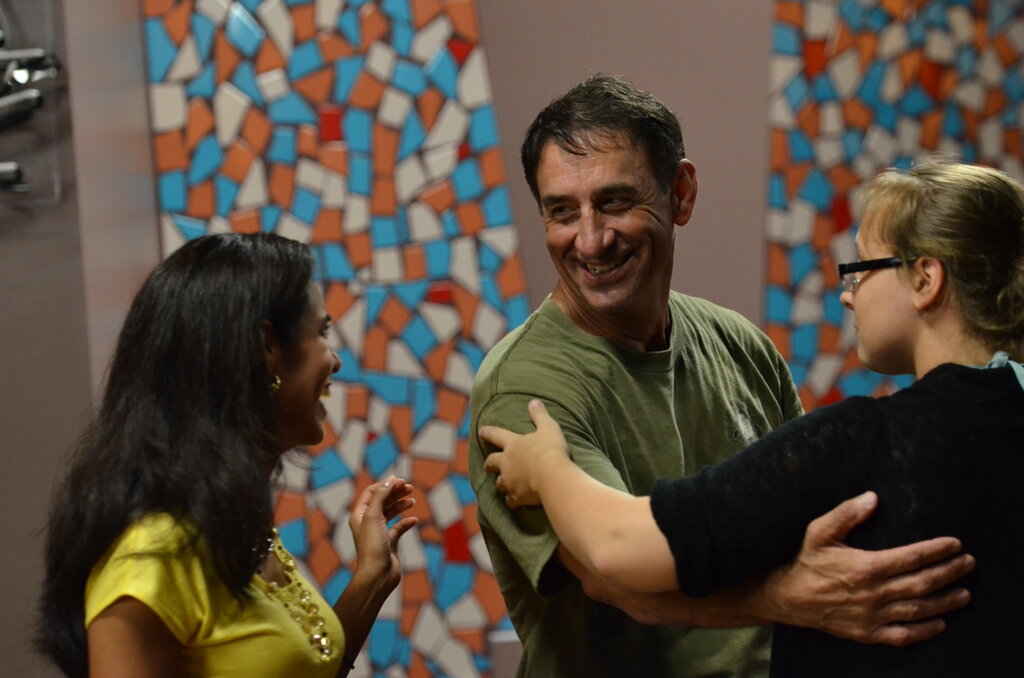
Bachata tells a story of heartbreak, romance, and resilience. Born in the rural countryside of the Dominican Republic in the early 20th century, it was originally the music of the people. Its heartfelt lyrics, often lamenting lost love, resonated deeply with working-class communities.
For decades, Bachata was dismissed by the upper classes as crude and unsophisticated. It was rarely played on the radio and was associated with bars and brothels. But its emotional honesty couldn't be suppressed forever. In the 1980s and 90s, musicians began to refine the sound, and the dance evolved into the sensual, hip-driven style we know today.
Bachata's journey from a marginalized folk music to a global phenomenon is a testament to its powerful ability to capture the raw emotions of everyday life. It's a dance of intimacy and connection, where every step is filled with feeling.
The dance is a conversation between two people. With Bachata, that conversation is often a very personal and emotional one.
Cumbia: A Dance of Courtship and Unity
Cumbia's story begins on the Caribbean coast of Colombia. It is a beautiful courtship dance that blends the traditions of three cultures: the indigenous peoples of the region, enslaved Africans, and Spanish colonizers.
The dance traditionally mimics the dynamic between a man and a woman. The woman's shuffling steps are said to represent the chains once worn by enslaved people, while her flowing skirt movements ward off the man's advances. The man, in turn, dances around her, trying to win her affection.
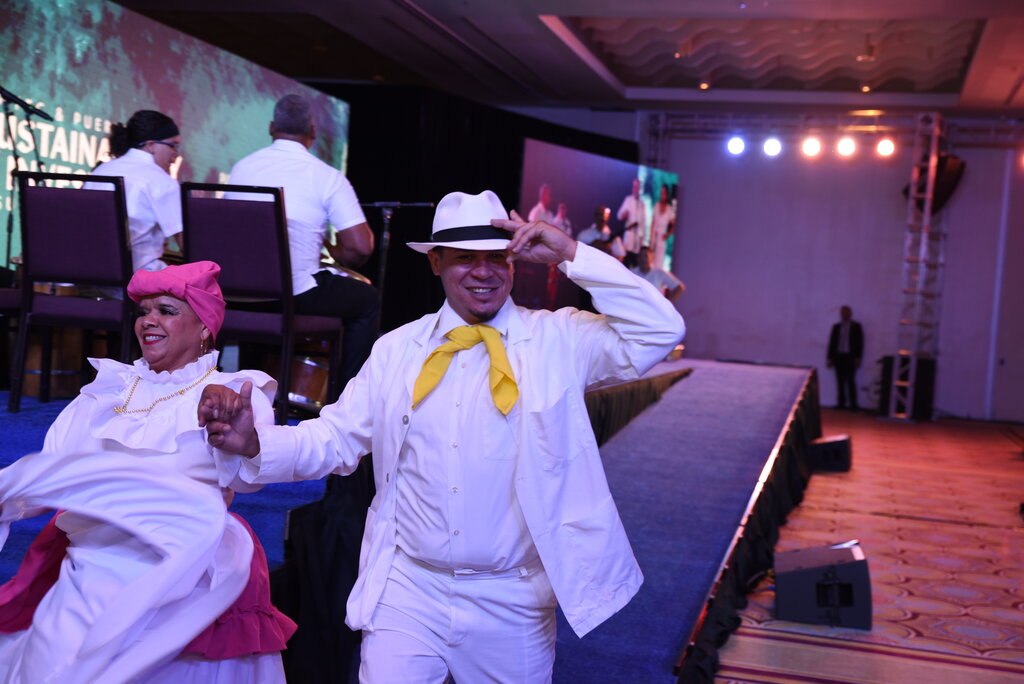
Originally a folk dance performed at community gatherings, Cumbia has become a symbol of Colombian national identity. Its infectious rhythm has spread across Latin America, spawning countless regional variations. From Mexico to Peru, Cumbia is the sound of celebration, bringing people together on the dance floor.
Tango: The Soul of Buenos Aires
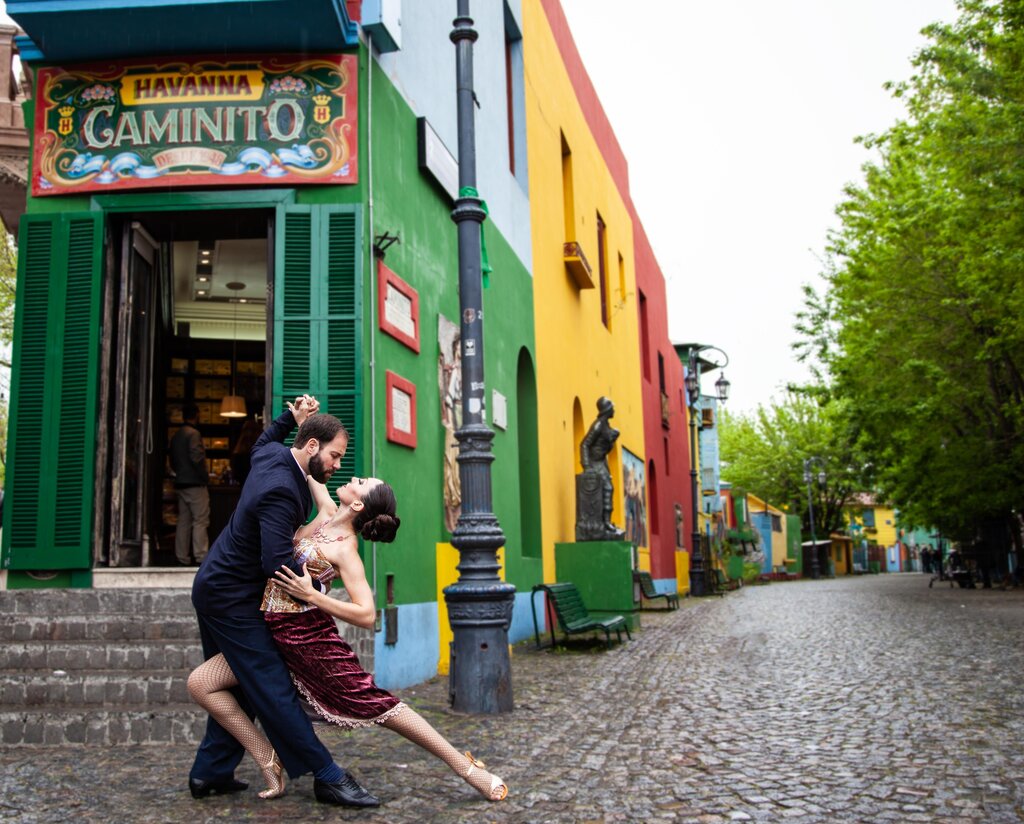
Tango is a dance of passion, drama, and intense connection. It emerged in the late 19th century in the working-class port neighborhoods of Buenos Aires, Argentina, and Montevideo, Uruguay. This was a time of massive immigration, and the city was a melting pot of European immigrants, descendants of enslaved Africans, and native-born Argentines, or criollos.
In this gritty, fast-changing world, Tango was born. It fused the rhythms of African candombe, the Cuban habanera, and European folk dances like the polka and mazurka. Initially considered scandalous and confined to the lower classes, its raw emotion and captivating complexity eventually won over high society in Paris, and from there, the world.
Today, Tango is recognized by UNESCO as an Intangible Cultural Heritage of Humanity. It's more than a dance; it's a form of non-verbal communication where partners share a story of longing, sadness, and desire in a three-minute embrace.
Each of these dances offers a window into the soul of a culture. Understanding their histories enriches the experience of dancing them, turning simple steps into a connection with the past.
Ready to test your knowledge?
Salsa music and dance, as we know it today, emerged from a fusion of Cuban traditions and American jazz in which city?
The shuffling steps of the woman in traditional Cumbia are said to symbolize what?
While each dance has its own unique story, they all share a common thread of cultural fusion and human expression. They are living histories, continuing to evolve as they are shared and danced around the world.