Large Scale Bioreactor Engineering
Introduction to Bioreactors
The Perfect Home for Cells
At its heart, a bioreactor is a highly controlled environment designed to grow living cells or microorganisms. Think of it as a sophisticated greenhouse, but instead of plants, it cultivates bacteria, yeast, or animal cells. The goal is to get these tiny biological factories to produce something useful, like medicine, fuel, or even food ingredients.
bioreactor
noun
An apparatus in which a biological reaction or process is carried out, especially on an industrial scale.
Industrial processes need to be consistent and efficient. A bioreactor provides the perfect, stable conditions—temperature, pH, oxygen, and nutrients—that cells need to thrive and work productively. By managing every aspect of their environment, we can maximize the yield of the desired product.
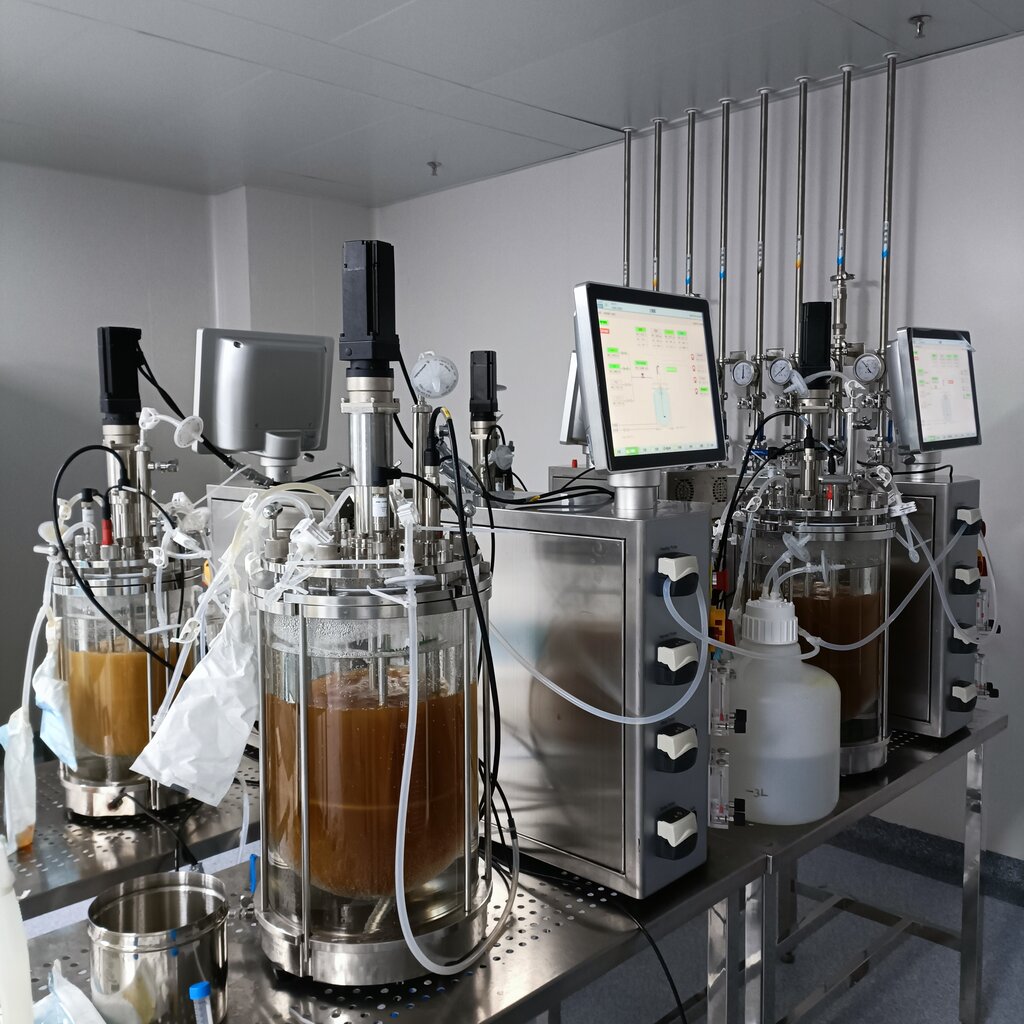
Inside the Vessel
While they vary in size and complexity, most bioreactors share a common set of components. Understanding these parts helps clarify how a bioreactor functions.
This setup allows for precise control. The vessel contains the cells and the liquid medium they grow in. An agitator (like an impeller) or a stream of gas keeps everything mixed, ensuring cells get equal access to nutrients. Sensors continuously track critical parameters like temperature and acidity, feeding data to a control system that makes adjustments as needed—perhaps by circulating warm water through the outer jacket or adding a substance to correct the pH. Finally, ports allow for the sterile addition of nutrients and the removal of the final product.
Different Designs for Different Jobs
Not all biological processes are the same, so engineers have developed different types of bioreactors for specific tasks. The three most common are stirred-tank, airlift, and membrane bioreactors.
Stirred-Tank Bioreactor: This is the workhorse of the bioprocessing industry. It uses a motor-driven agitator to mix the contents. It’s highly effective for a wide variety of cell cultures, from robust yeast to more delicate animal cells. Its main advantage is excellent mixing, which ensures uniform conditions throughout the vessel.
Airlift Bioreactor: This design avoids mechanical stirring, which can damage sensitive cells. Instead, it introduces gas bubbles at the bottom of the vessel. As the bubbles rise, they carry the liquid up with them, creating a gentle, circular flow that mixes the contents. This makes them ideal for fragile cell cultures or processes where high shear forces must be avoided.
Membrane Bioreactor (MBR): An MBR combines a traditional bioreactor with a membrane filtration system. This is especially common in wastewater treatment. The bioreactor uses microbes to break down pollutants, and then the membranes filter the water, separating the clean liquid from the microbial sludge. This results in a very high-quality effluent in a compact system.
| Bioreactor Type | Mixing Method | Best For... |
|---|---|---|
| Stirred-Tank | Mechanical Agitator | General purpose, robust cell cultures |
| Airlift | Gas Bubbles | Shear-sensitive or fragile cells |
| Membrane | Varies (often aeration) | Wastewater treatment, high-purity output |
The choice of bioreactor depends entirely on the cells being used and the desired end product. An engineer designing a process for making biofuels from hardy algae might choose a different reactor than one developing a sensitive antibody therapy using mammalian cells.
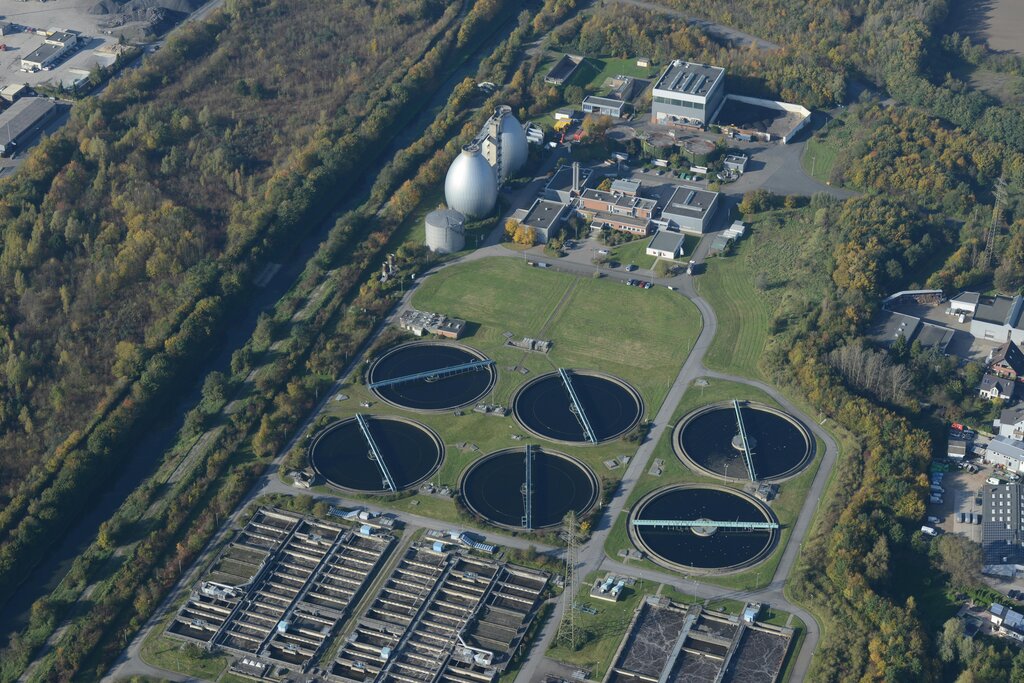
From producing life-saving vaccines and developing new biofuels to brewing beer and treating our water, bioreactors are a cornerstone of modern biotechnology. They provide the controlled, optimized environments that turn biological potential into real-world products.