Large Language Model Training Unveiled
Introduction to Large Language Models
What Are Large Language Models?
A large language model, or LLM, is an artificial intelligence trained on a vast amount of text from books, articles, and websites. Think of it like a student who has read nearly everything ever written. By analyzing all this data, it learns the patterns, rules, and nuances of human language.
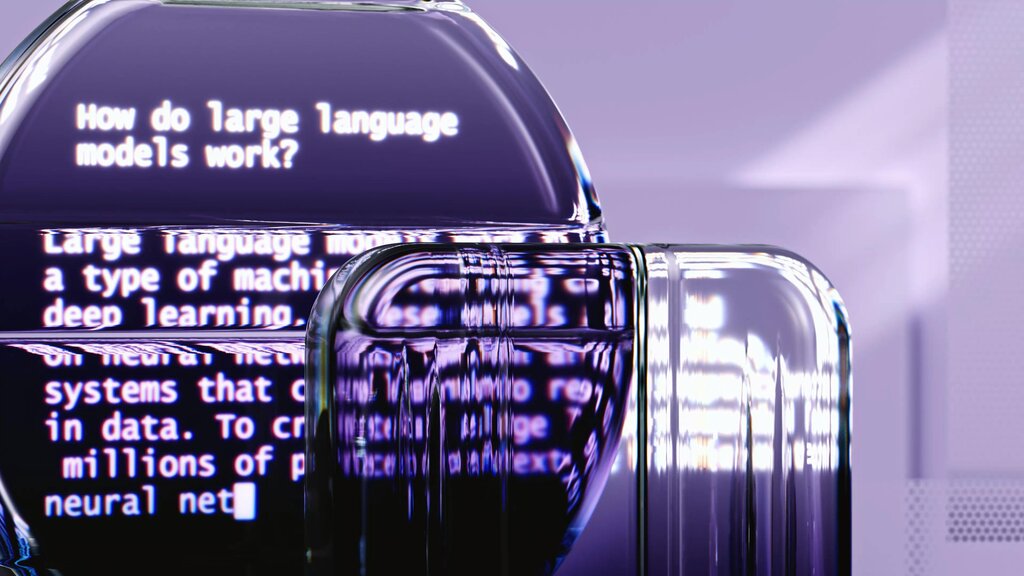
This training allows an LLM to understand context, generate coherent sentences, and perform a wide range of language-related tasks. Its primary job isn't just to store information, but to predict the next word in a sequence. This simple-sounding ability is the foundation for creating everything from poems to computer code.
LLMs are designed to understand, summarize, generate, and predict text. They are a key part of natural language processing (NLP), a field of AI focused on how computers and humans interact using language.
What Can LLMs Do?
The applications for LLMs are broad and growing. They power chatbots that provide customer service, help developers write code more efficiently, and can even draft emails or creative stories. Their ability to process and structure information makes them useful for complex tasks that once required human specialists.
| Application | Description | Example |
|---|---|---|
| Text Generation | Creating original text in a specific style or on a given topic. | Writing a marketing email or a short poem. |
| Summarization | Condensing a long document into a brief, easy-to-read summary. | Creating an abstract for a research paper. |
| Translation | Converting text from one language to another. | Translating a webpage from Spanish to English. |
| Question Answering | Providing direct answers to questions based on a given text. | Finding a specific fact in a long legal document. |
These models are integrated into search engines, productivity apps, and countless other digital tools, changing how we find information and create content.

A Brief History
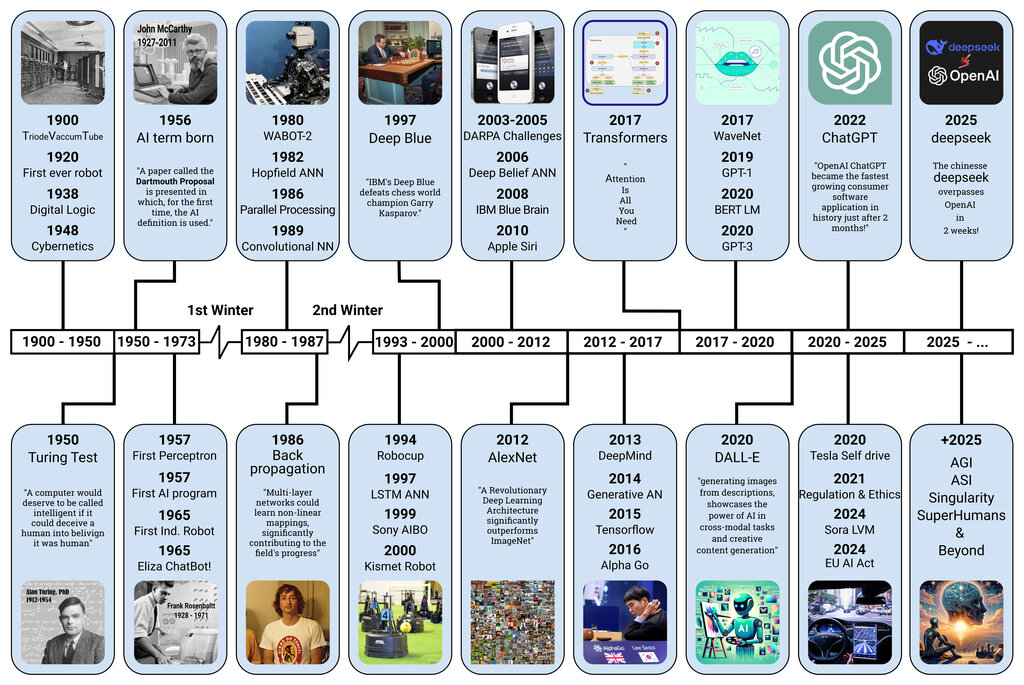
The idea of teaching machines language isn't new, but early attempts relied on rigid, rule-based systems. The real breakthrough came with machine learning and neural networks, which allowed computers to learn from data instead of being explicitly programmed.
A pivotal moment occurred in 2017 with the introduction of the Transformer architecture. This new model design was far more effective at handling language than its predecessors. It paved the way for a new generation of powerful LLMs, including OpenAI's Generative Pre-trained Transformer (GPT) series. Models like GPT-3, released in 2020, and the later GPT-4, demonstrated remarkable abilities, bringing LLMs into the mainstream.
The Transformer Architecture
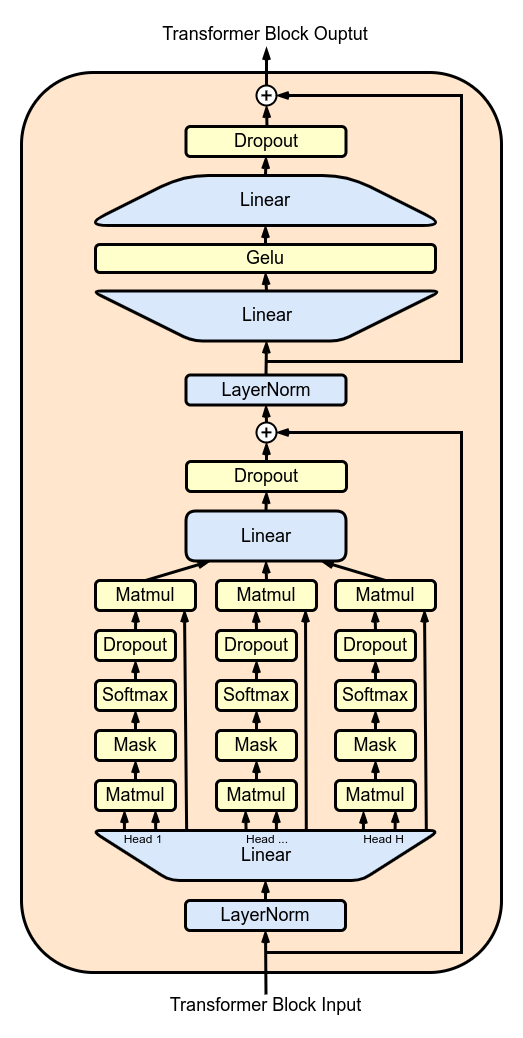
So, what makes the Transformer architecture so special? Its key innovation is a mechanism called attention.
Previous models processed text word-by-word in sequence, which made it hard for them to keep track of context in long sentences. The attention mechanism allows the model to look at all the words in a sentence at once and determine which ones are most important for understanding the meaning of any given word. It weighs the influence of different words on each other, regardless of their distance apart.
For example, in the sentence "The cat sat on the mat, but it was tired," the attention mechanism helps the model understand that "it" refers to the "cat," not the "mat."
This ability to process text in parallel, rather than sequentially, makes training much more efficient. It allows researchers to build bigger and more powerful models that can capture the complex relationships within language.
With this foundation, LLMs can handle sophisticated language tasks that were once out of reach for machines.
Now, let's test your knowledge.
What is the primary, foundational ability of a Large Language Model (LLM)?
Which technological breakthrough, introduced in 2017, paved the way for modern, powerful LLMs like GPT?
You now have a foundational understanding of what large language models are, how they evolved, and the core technology that makes them possible.