Large Language Model Comparisons
Introduction to Large Language Models
What Are Large Language Models?
Large Language Models, or LLMs, are a type of artificial intelligence designed to understand and generate human-like text. Think of them as incredibly advanced prediction engines for language. Given a piece of text, an LLM predicts the next most likely word, and the next, and the next, until it forms a coherent sentence, paragraph, or even an entire article.
A large language model (LLM) is an AI model trained on massive amounts of text data that can understand and generate human-like text, recognize patterns in language, and perform a wide variety of language tasks without task-specific training.
The "large" in their name is no exaggeration. These models are trained on gigantic datasets, sometimes containing a significant portion of the public internet, books, and other text sources. They also have a massive number of internal parameters, which are like adjustable knobs that get tuned during training. The sheer scale of both the data and the model parameters is what gives them their powerful capabilities.
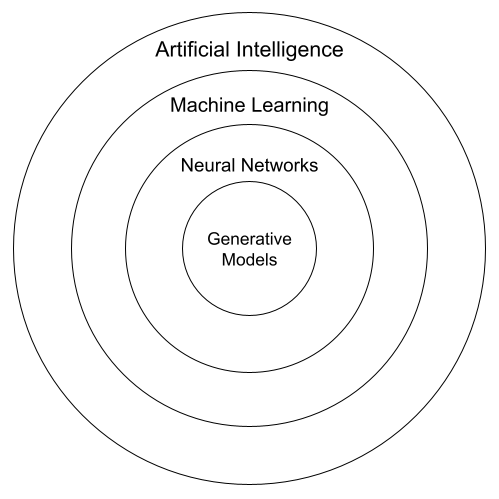
Their significance in Natural Language Processing (NLP) is hard to overstate. Before LLMs, AI models for language were often specialized. You'd have one model for translation, another for summarizing text, and a third for answering questions. LLMs are generalists. A single, well-trained model can perform all these tasks and more, often just by being asked in plain language.
A Quick Trip Through Time
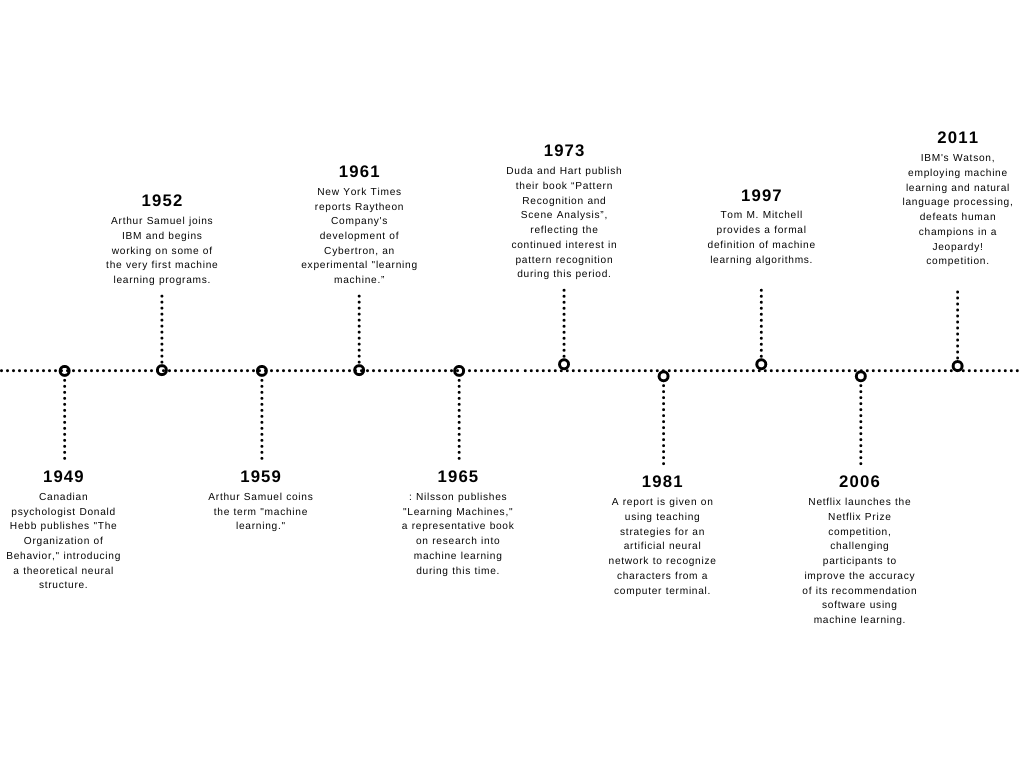
The idea of modeling language isn't new. For decades, computer scientists used statistical methods to find patterns in text. These early models, called statistical language models (SLMs), could predict the next word in a sequence based on the previous few words. They were useful but limited, unable to grasp the deeper context and nuance of human language.
The next big step was the move to neural networks, which are computing systems inspired by the human brain. These models could handle more complex patterns, but they were still constrained by the amount of text they could consider at once.
A major breakthrough happened in 2017 with the invention of the Transformer architecture. This new design allowed models to weigh the importance of different words in a long stretch of text, enabling a much better understanding of context. This innovation paved the way for the massive LLMs we see today, which can process and generate text with unprecedented fluency.
What Can LLMs Actually Do?
Because they are so flexible, LLMs have a wide range of applications across many industries. Their core strength is manipulating language in useful ways.
One model can be prompted to write a poem, generate computer code, translate French to Swahili, or summarize a dense research paper.
Here are some of the most common applications:
- Content Creation: Generating articles, marketing copy, emails, and even creative writing.
- Question Answering: Powering chatbots and virtual assistants that can answer user queries in a conversational way.
- Summarization: Condensing long documents, articles, or conversations into a few key points.
- Translation: Translating text between different languages with more accuracy and natural phrasing than older methods.
- Code Generation: Writing snippets of code based on a description in plain English, which helps developers work faster.
- Sentiment Analysis: Determining the emotional tone of a piece of text, like a customer review or social media post.
Let's check your understanding of these core concepts.
What is the fundamental task a Large Language Model performs?
The "large" in Large Language Model refers specifically to which two aspects?
This general-purpose nature is what makes LLMs a foundational technology, much like a database or an operating system, upon which new applications can be built.