Laravel Architecture Essentials
Introduction to Laravel
What Is Laravel?
Laravel is a popular open-source PHP framework used for building web applications. Think of it as a toolkit for developers. It provides a pre-written structure and a collection of code that handles many of the common, repetitive tasks involved in web development. This lets developers focus on creating the unique features of their application instead of reinventing the wheel.
Created by Taylor Otwell, Laravel is designed to make the development process enjoyable and creative. It follows the Model-View-Controller (MVC) architectural pattern, which is a way of organizing code that separates the application's logic from its user interface. This separation makes the code cleaner, easier to manage, and simpler to scale as the project grows.
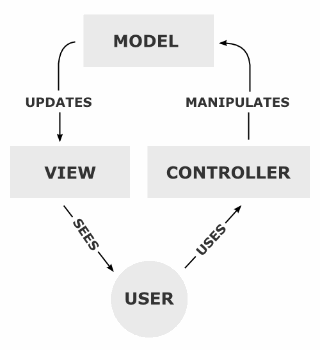
At its core, Laravel simplifies tasks like routing (handling web requests), authentication (managing user logins), sessions, and caching. Its goal is to take the pain out of development by providing elegant and expressive tools.
A Brief History
Laravel's journey began in 2011. Taylor Otwell developed it as a more advanced alternative to another PHP framework, CodeIgniter, which he felt was missing key features like built-in support for user authentication and authorization.
The first beta of Laravel was released in June 2011. Since then, it has gone through numerous versions, each one adding more power and polish. The framework quickly gained popularity in the PHP community due to its clean syntax, extensive documentation, and strong community support. A major leap was Laravel 4, released in 2013, which was a complete rewrite that introduced a package management system through Composer. This change allowed developers to easily pull in third-party libraries.
Today, Laravel is one of the most widely used PHP frameworks in the world, powering everything from small personal blogs to large enterprise applications.
Why Developers Choose Laravel
There are many reasons why Laravel stands out. Its philosophy is centered on developer happiness and providing tools that are both powerful and a joy to use. Here are some of the key features that make it so attractive.
Eloquent ORM
noun
An Object-Relational Mapper that makes it simple to interact with your database. Instead of writing complex SQL queries, you can work with your database tables as if they were simple PHP objects.
Another major feature is the Blade templating engine. Blade allows you to write plain PHP code directly in your views, but its syntax is more concise and readable. It provides convenient shortcuts for common PHP functions and allows you to create reusable sections of code, keeping your HTML files clean.
Laravel also comes with a powerful command-line tool called Artisan. Developers use Artisan to handle repetitive and complex tasks automatically. It can create new controllers, models, and other boilerplate code, run database migrations, and much more, all with simple commands.
| Feature | Benefit |
|---|---|
| Modular Packaging | Uses Composer to manage dependencies, making it easy to add functionality. |
| Built-in Security | Provides protection against common vulnerabilities like SQL injection and cross-site scripting (XSS). |
| Robust Routing | Offers a simple and expressive way to define application routes, making it clear how users navigate the app. |
| Testing & Debugging | Includes built-in tools that make it easier to write automated tests and find bugs in your code. |
Finally, Laravel is built on top of a set of robust components from another well-respected framework, Symfony. This solid foundation gives Laravel reliability and stability, borrowing battle-tested code that has been refined over many years.
This combination of elegant tools, a strong foundation, and a focus on developer experience makes Laravel a powerful choice for modern web development.
What is the primary architectural pattern that Laravel follows?
What is the name of Laravel's built-in command-line interface used for automating development tasks like creating controllers and running migrations?