Laptop Formatting and Flash Drive Downloads
Introduction to Flash Drives
Your Digital Pocket
A flash drive is a small, portable device that stores digital information. Think of it like a digital backpack for your files. You can put documents, photos, or music on it, carry it around, and then access those files on a different computer. They're also called USB drives, thumb drives, or memory sticks.
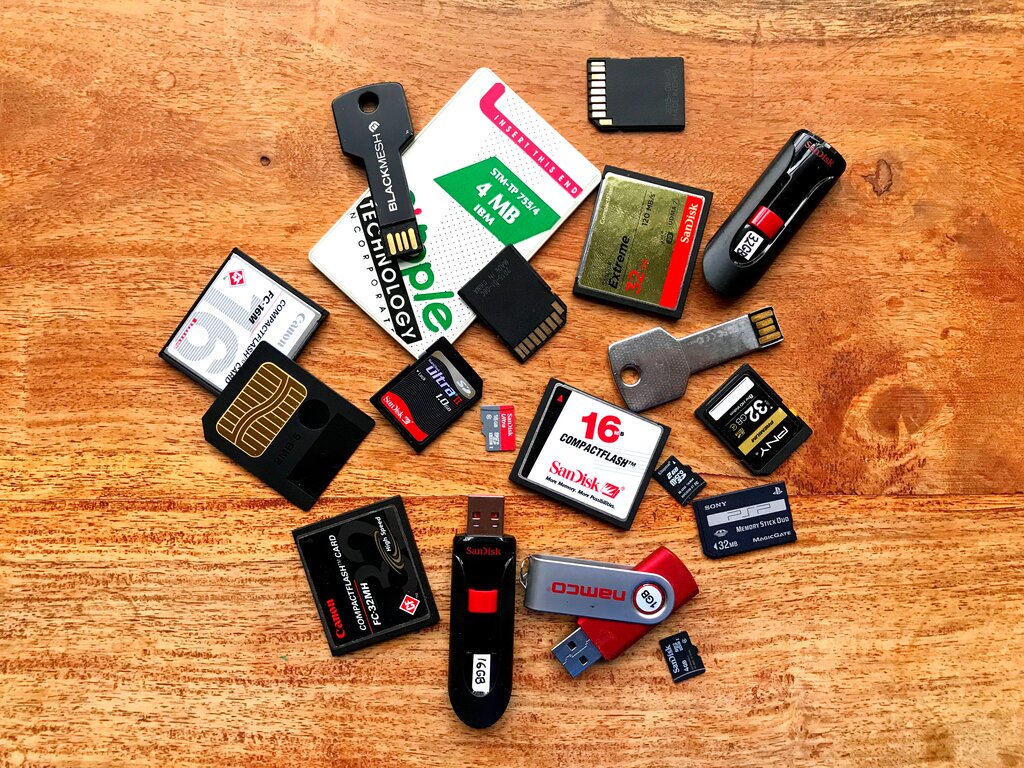
Their main job is to move data from one place to another. Need to print a school paper at the library? Save it to a flash drive. Want to share a photo album with a friend? A flash drive is a simple way to hand it over. They connect to computers through a port called a USB (Universal Serial Bus) port, which is how they get both power and transfer data.
What's Inside
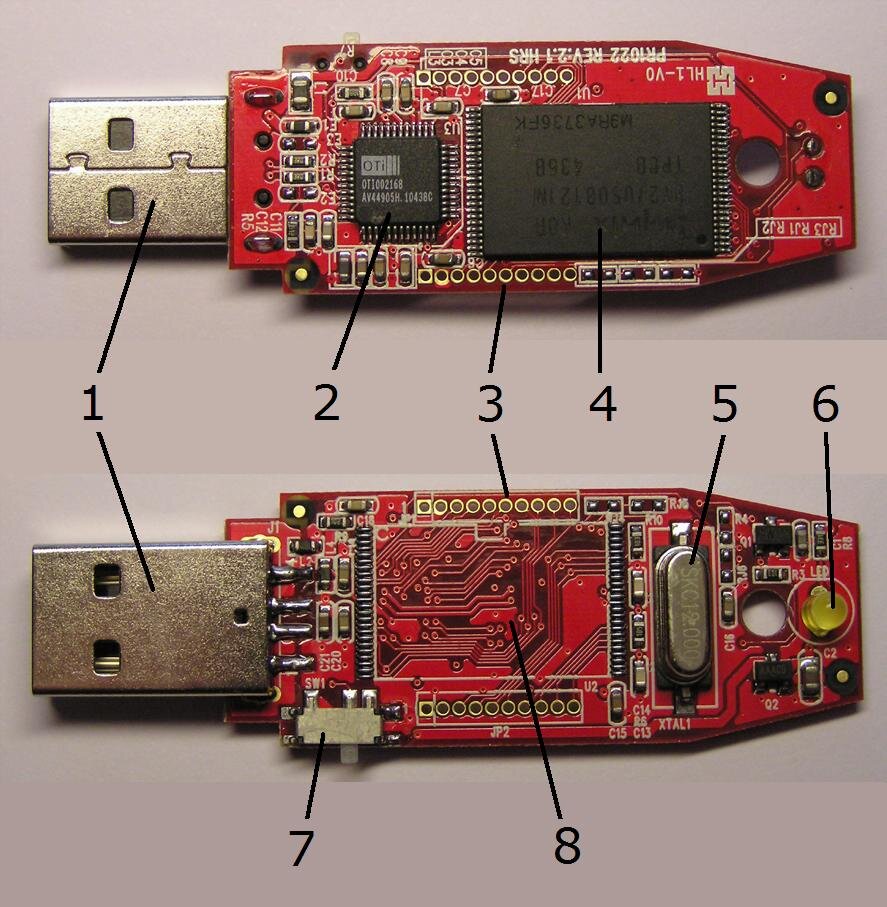
A flash drive might look simple on the outside, but it has several key parts working together inside its plastic or metal case.
The most important part is the flash memory. This is where your data is actually stored. Unlike the computer's main memory (RAM), which forgets everything when the power is off, flash memory holds onto information even with no power. It’s a type of non-volatile storage.
Flash Memory
noun
An electronic, non-volatile computer memory storage medium that can be electrically erased and reprogrammed.
The controller chip is the brain of the operation. It's a small processor that manages how data is read from and written to the flash memory. The USB connector is the metal part that plugs into the computer. Finally, a tiny crystal oscillator helps control the timing of data flowing in and out of the drive.
Everyday Uses
Flash drives are incredibly versatile. Because they are small, durable, and can hold a lot of information, people use them for many different tasks.
| Use Case | Description |
|---|---|
| File Transfer | Moving documents, photos, or videos between computers. |
| Data Backup | Making a small, portable copy of important files. |
| Software Installation | Carrying installation files for programs or operating systems. |
| Portfolio Sharing | Giving a copy of your work (like art or writing) to someone. |
The key benefit is portability. A flash drive lets you carry gigabytes of data in your pocket, completely separate from any computer or network.
Ready to check your understanding of these handy devices?
Which of the following is NOT another common name for a flash drive?
Which internal component of a flash drive is considered its 'brain', managing the flow of data?
Flash drives are a simple but powerful tool for managing digital files. Their blend of portability, storage capacity, and ease of use makes them an essential part of anyone's tech toolkit.