Laptop CPU Essentials
CPU Basics
The Computer's Brain
At the heart of every computer, from a massive server to the smartphone in your pocket, is a tiny, powerful component called the Central Processing Unit, or CPU. It's often called the "brain" of the computer, and for good reason. Just like your brain processes information and tells your body what to do, the CPU is where all the thinking and decision-making happens for a computer.
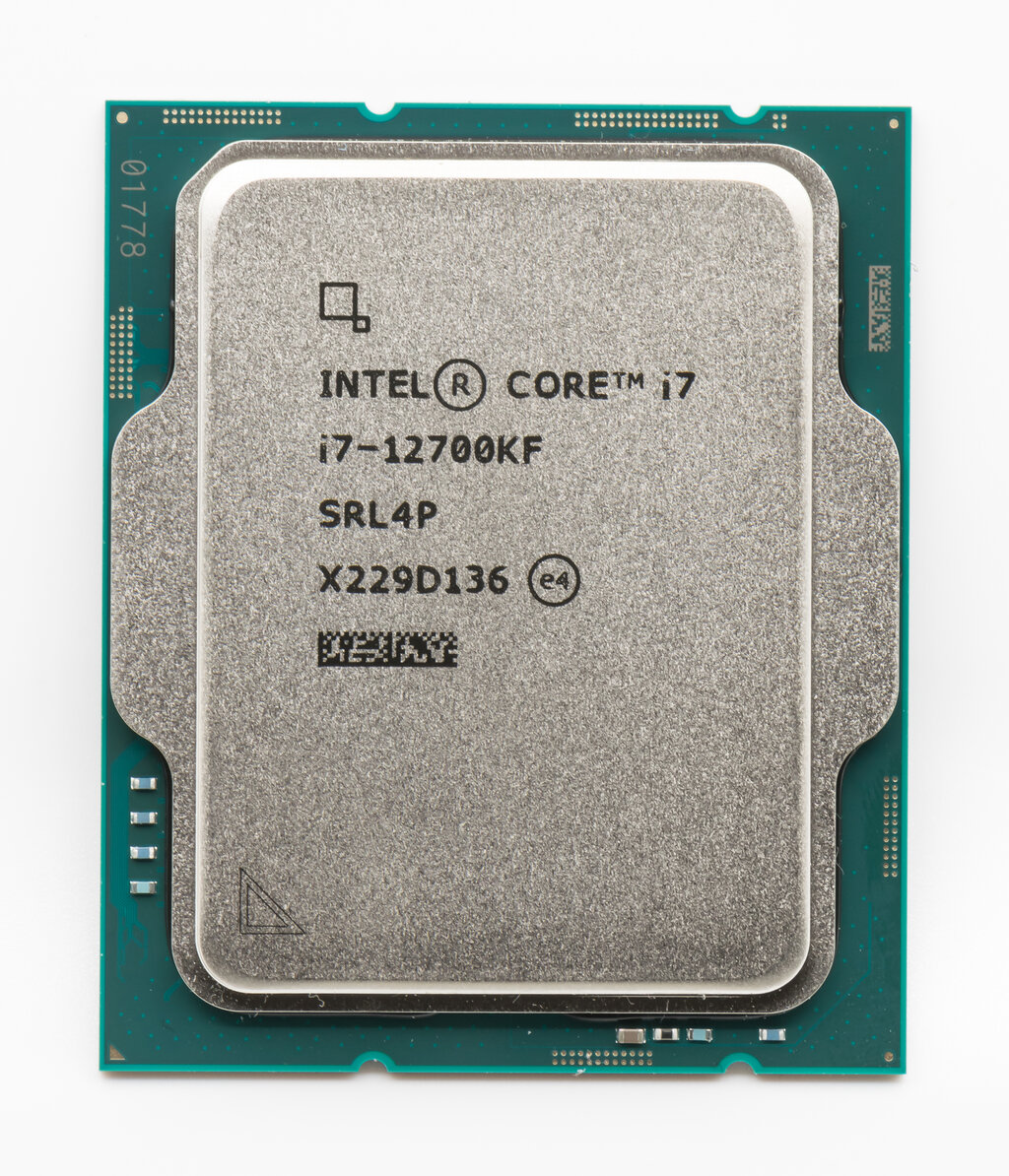
Essentially, a CPU’s main job is to carry out instructions. A computer program, whether it's a web browser or a video game, is just a very long list of instructions. The CPU reads these instructions one by one and performs the requested actions. These actions could be anything from simple arithmetic to moving data from one place to another or telling another piece of hardware, like the screen, to display an image.
Considered the brain of the computer, the CPU performs calculations and executes instructions.
Without a CPU, a computer is just a collection of lifeless parts. It provides the processing power that turns code into the functional applications we use every day. Every click, every keystroke, and every command you give your computer is processed by the CPU.
The Basic Operations
So what does it mean to "process instructions"? At a high level, the CPU is constantly running a simple, three-step cycle. This is often called the fetch-decode-execute cycle. It's the fundamental rhythm of how a computer operates.
This cycle happens billions of times every second in a modern processor. It's the engine that drives everything your computer does, from loading the operating system when you turn it on to rendering a complex video.
Controlling the System
Besides just running software instructions, the CPU also acts as a traffic controller for all the other components in your computer. It manages how different parts—like your memory (RAM), hard drive, and graphics card—work together.
When you type on your keyboard, the CPU receives that input. When you save a file, the CPU directs the data to be written to your storage drive. It ensures that all the hardware components communicate correctly and work in harmony. This central coordination role is what makes it the "Central" Processing Unit.
What is the primary role of a computer's Central Processing Unit (CPU)?
The fundamental operational process of a CPU is known as the __________ cycle.
This fundamental understanding of the CPU as the computer's brain sets the stage for exploring its more complex inner workings.