Landslides of Northern Pakistan
Introduction to Landslides
When the Ground Gives Way
Gravity is relentless. It pulls everything toward the center of the Earth, from a dropped apple to a mountainside. Usually, the ground beneath our feet is strong enough to resist this constant pull. But sometimes, that resistance fails. When rock, soil, and debris move down a slope, we call it a landslide.
Landslide
noun
The movement of rock, debris, or earth down a sloped section of land. It is a type of mass wasting, which denotes any down-slope movement of soil and rock under the direct influence of gravity.
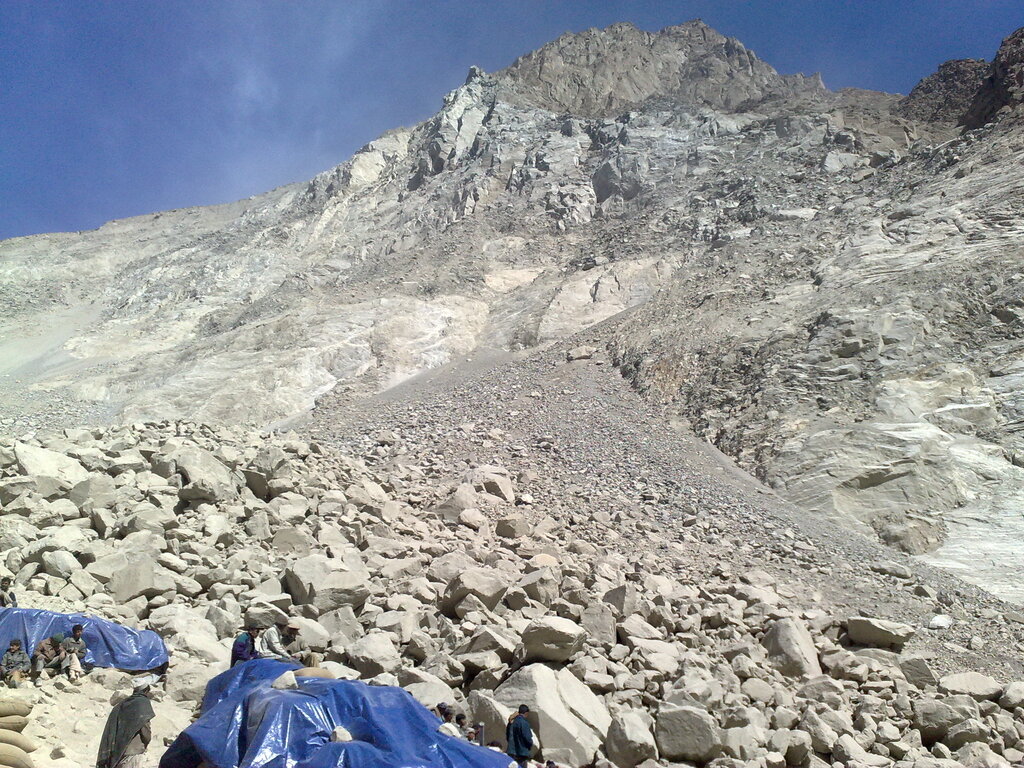
Landslides aren't just one phenomenon; they're a family of events. The name changes depending on what's moving and how it's moving. A chaotic tumble of rocks is a rockfall. A soupy, fast-moving flow of mud and water is a debris flow or mudslide. If a large, solid chunk of earth slides down as a single unit, it's called a slump. These events can be slow, creeping just a few centimeters a year, or terrifyingly fast, moving faster than a car.
A Battle of Forces
Every slope on Earth is a battleground between two opposing forces: shear strength and shear stress. Think of it like a block sitting on a ramp. The force trying to pull the block down the ramp is shear stress. The force holding it in place—in this case, friction—is its shear strength.
Shear strength is the internal resistance of the soil, rock, and vegetation holding the slope together. It's the friction between particles and the cohesive forces that make them stick. Shear stress is the force trying to pull it all apart, primarily driven by gravity's pull on the mass of the material.
A landslide happens when the balance tips. If shear stress increases or shear strength decreases, the slope can fail. What causes this shift? A number of things. Adding weight to the top of a slope, like from a new building or heavy rainfall soaking the ground, increases the shear stress. Earthquakes can shake the ground, momentarily reducing its shear strength and triggering a slide. Removing support from the bottom of a slope, perhaps from river erosion or road construction, also makes it less stable.
Water is often the main culprit. It adds weight, and it can also push soil particles apart, reducing friction and weakening the entire slope.
A Global Hazard
Landslides are a worldwide phenomenon. They occur in every country and every U.S. state. While they are most common in mountainous regions with steep slopes and heavy rainfall, they can happen anywhere a slope exists.
Key hotspots include the Himalayas in Asia, the Andes in South America, and the Alps in Europe. These areas combine steep terrain, frequent earthquakes, and intense rainfall or snowmelt, creating perfect conditions for landslides. Other vulnerable areas include coastal cliffs, like those in California, and regions where human activity, such as mining or deforestation, has altered the landscape.
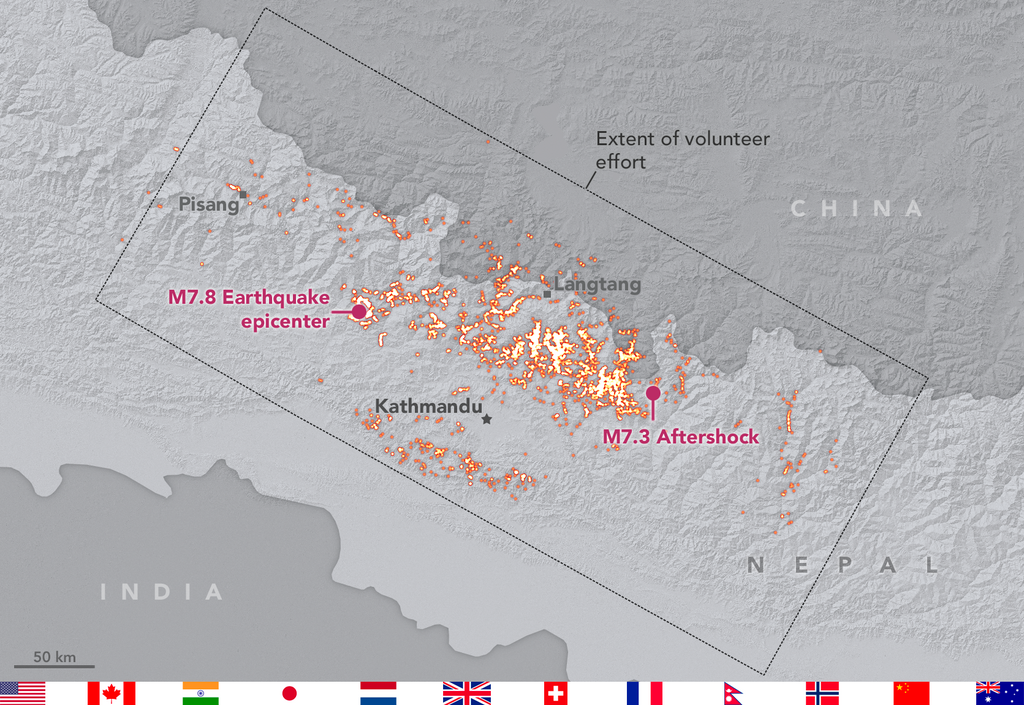
Though a natural part of how landscapes evolve, landslides pose a significant threat. They can destroy homes, block roads and rivers, and cause immense damage. Understanding the simple physics behind why they happen is the first step in learning how to predict and live with them.
A landslide occurs when which of the following conditions is met on a slope?
A chaotic, fast-moving flow of water-saturated soil and debris is best described as a __________.