Landscape Planting Design
Site Analysis
Reading the Land
Before you can create a beautiful landscape, you must first become a detective. Your mission is to understand the unique character of your site. This process, called site analysis, is all about careful observation. It's about gathering clues from the soil, sun, water, and existing features to inform every decision you'll make later.
Site Analysis Evaluation of the proposed site, including:
      Location attributes and accessibility
      Zoning and regulatory requirements
      Environmental considerations
      Infrastructure requirements
      Development cost estimates
Think of it as learning the land's language. Once you understand what it's telling you, you can work with it, not against it.
Get Your Hands Dirty
Everything starts with the soil. It's the foundation for all plant life, providing water, air, and nutrients. The composition of your soil determines how well it holds moisture and what kind of root systems can thrive.
The three main particle types are sand (large particles), silt (medium), and clay (tiny). Most soils are a mix. The ideal for gardening is loam, a balanced combination of all three plus organic matter.
A simple way to understand your soil is to grab a handful. Is it gritty like sand? Silky like flour? Or sticky like clay when wet? This first touch tells you a lot.
For a more detailed look, you can do a jar test. Just fill a clear jar one-third full of soil, add water until it's nearly full, and shake it vigorously. Then let it settle for a day. The soil will separate into layers: sand at the bottom, silt in the middle, and clay on top. This shows you the proportions you're working with. You can also get a simple soil test kit from a garden center to check for fertility and pH levels.
Follow the Light
Sunlight is a plant's food. Understanding how it moves across your property is critical. Some plants need six or more hours of direct sun, while others prefer the cool of the shade. You need to map out these patterns before you can place a single plant.
Spend a day observing your site. Or, if you're short on time, check in at three key moments: morning (around 9 AM), midday (around 1 PM), and late afternoon (around 5 PM). Sketch a simple map of your property and color in the areas that are sunny or shady at each time. Note how shadows from your house, trees, or a neighbor's garage fall across the yard. This simple sun map will become an invaluable tool.
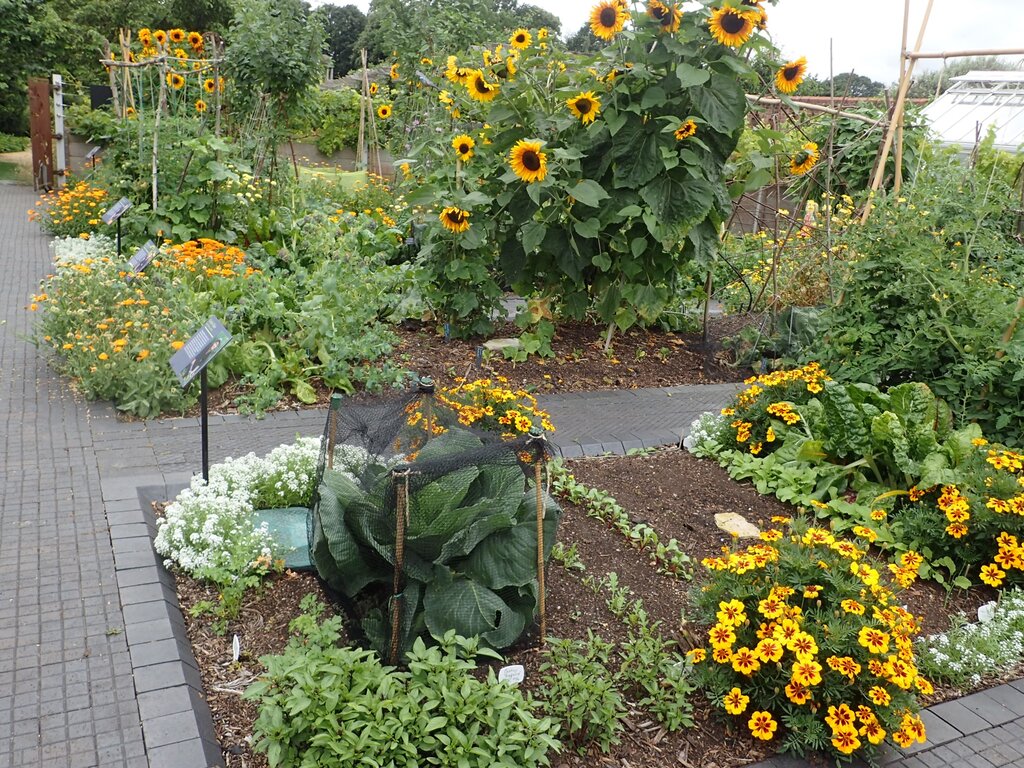
Don't forget that the sun's path changes with the seasons. An area that's in deep shade in the summer might get full sun in the winter when a deciduous tree loses its leaves. A spot that bakes in the low-angled afternoon sun of late summer might be more temperate in the spring. Keep these seasonal shifts in mind.
Go with the Flow
Water is life, but too much or too little can be a problem. Your next task is to figure out your site's drainage patterns and moisture levels. The easiest way to do this is to walk around your yard after a heavy rain.
Look for areas where water collects and stands for hours or days. These are low spots with poor drainage, likely due to compacted soil or heavy clay. Also, look for places that dry out instantly. These might be on a slope, near heat-reflecting pavement, or in sandy soil that lets water pass right through.
Note these wet and dry zones on your map. A soggy spot could be perfect for a rain garden with moisture-loving plants, while a dry, sun-baked strip is ideal for drought-tolerant species.
What's Already There
You're not starting with a blank slate. Every site has existing features, both natural and man-made, that you need to account for. Start by identifying and mapping all existing vegetation you want to keep. This includes mature trees, established shrubs, and healthy patches of lawn or groundcover.
Next, map the man-made structures. This includes your house, driveway, walkways, patios, fences, and sheds. Don't forget about things that are out of sight but still important, like underground utility lines. Knowing where water, gas, and electrical lines are buried is essential to avoid a costly and dangerous mistake when you start digging.
Finally, consider the unseen forces. Are there areas exposed to strong winds? Is there a spot next to a south-facing brick wall that gets intensely hot? These are called microclimates—small pockets where conditions are different from the surrounding area. Identifying them allows you to turn a challenging spot into a unique opportunity.
What is the ideal soil for gardening, known for its balanced mixture of sand, silt, clay, and organic matter?
In a soil jar test, after the particles have settled, what is the correct order of the layers from bottom to top?
By the end of this process, you should have a detailed map and a set of notes that tell the complete story of your site. This information is the foundation upon which you'll build your entire planting plan.