Landscape Design Essentials
Introduction to Landscape Design
Shaping Outdoor Spaces
Landscape design is the art of organizing and enriching outdoor space. It's more than just planting flowers or mowing a lawn; it’s about creating experiences. A well-designed landscape can guide you from one area to another, create a sense of peace or excitement, and connect a building to its natural surroundings. It solves problems, like how to manage rainfall or create privacy, while also providing beauty and a place for people to connect with nature.
Landscape architects are professionals who design, plan, and manage the built and natural environment.
These professionals work on a huge variety of projects, from small residential gardens to sprawling public parks, corporate campuses, and even entire city plans. They blend art, science, and psychology to shape the world outside our doors.
A Brief History
For as long as people have built structures, they have also shaped the land around them. Ancient civilizations created gardens for both practical and symbolic reasons. The Hanging Gardens of Babylon were a marvel of engineering, while Persian paradise gardens were designed as earthly representations of heaven, with water channels and shady enclosures.
Over centuries, styles evolved dramatically. The Italian Renaissance saw the rise of formal, terraced gardens with grand staircases and fountains, designed to be viewed from the villa above. This led to the highly structured and symmetrical gardens of 17th-century France, like those at the Palace of Versailles, which expressed human control over nature.
In response, the 18th-century English landscape movement rejected this formality. Designers like Capability Brown created rolling hills, natural-looking lakes, and scattered clumps of trees to mimic an idealized version of nature. This more naturalistic approach had a lasting influence, particularly in public park design.
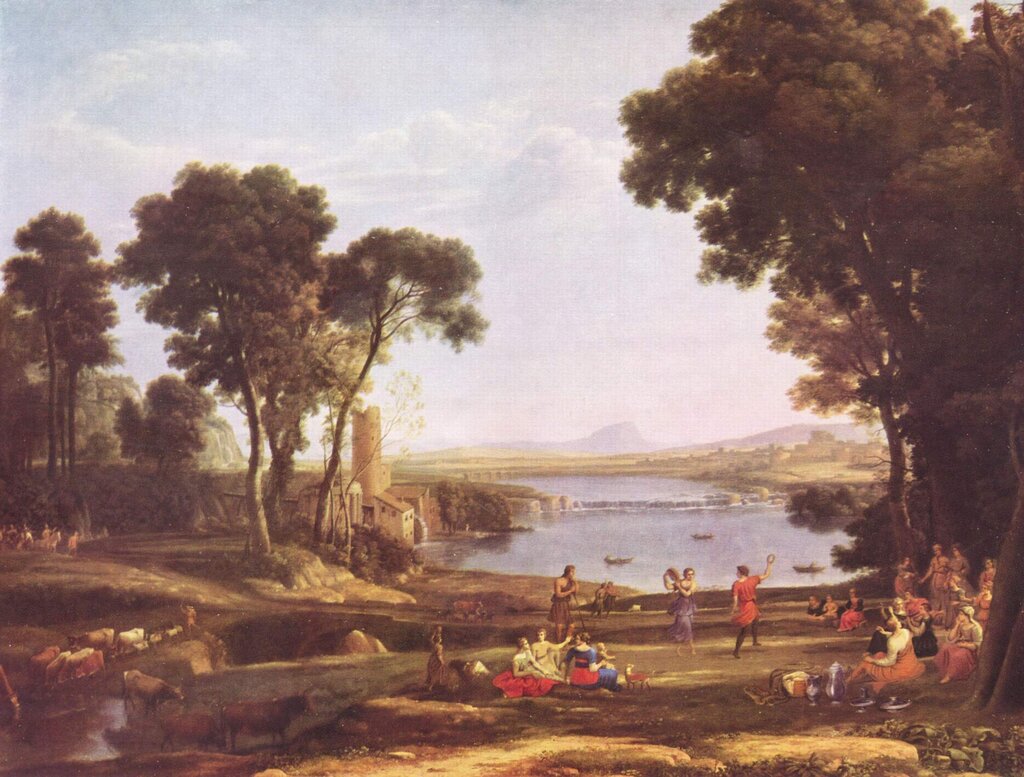
Today, landscape design is a global profession that addresses modern challenges. It plays a crucial role in creating sustainable cities, restoring damaged ecosystems, and designing public spaces that serve diverse communities.
The Building Blocks of Design
Just like a painter uses paint or a musician uses notes, a landscape designer uses a set of core elements to compose a space. Understanding these building blocks is the first step toward creating a cohesive design.
The four key elements are line, form, texture, and color. They work together to create a unified and appealing landscape.
Line refers to the way the eye is led through a space. The edges of a curving pathway, a straight hedge, or the vertical line of a tall tree all direct our movement and attention. Lines create patterns, define spaces, and establish the overall shape of the garden beds and walkways.
Form is the three-dimensional shape of objects in the landscape. This includes the shapes of individual plants (conical, spherical, spreading) as well as structures like benches and walls. Repeating forms can create a sense of rhythm and order, while contrasting forms add visual interest.
Texture relates to the surface quality of plants and materials. Is a leaf fine and feathery, or coarse and bold? Is a stone path smooth or rough? Juxtaposing different textures adds depth and complexity. Coarse textures tend to feel more informal and make a space feel smaller, while fine textures create a lighter, more spacious feeling.
Color is often the most exciting element, but it's also the most temporary. Colors can come from flowers, leaves, bark, or hardscape materials like brick and stone. Warm colors like reds and yellows are energetic and seem to advance toward the viewer, while cool colors like blues and greens are calming and recede.
Function Meets Beauty
A successful landscape design is more than just a pretty picture. It has to work. This means balancing aesthetics with functionality. A beautiful stone patio is useless if it’s too small for a table and chairs. A lush garden is frustrating if it requires more maintenance than the owner can provide.
The goal is to create a space that meets the user's needs while delighting their senses.
This involves asking practical questions at the beginning of the design process. Who will use this space? What will they do here? Do they need a play area for children, a quiet corner for reading, or an open lawn for entertaining? The answers to these questions form the foundation of the design.
Function also extends to the environment. A design might be functional because it cleverly directs rainwater away from a house, uses native plants that thrive without extra watering, or places a shade tree where it will cool the house in the summer. In this way, good design is also a form of problem-solving.
Which historical landscape style is best known for rejecting formal, symmetrical layouts in favor of idealized, natural-looking scenes with rolling hills and scattered trees?
A designer wants to make a small urban backyard feel more spacious and serene. According to design principles, which combination of elements would be most effective?
By thoughtfully combining the core elements of design and balancing beauty with practical needs, landscape designers create outdoor spaces that enrich our lives.