Landing Remote Jobs with Digital Skills
Understanding Remote Work
What is Remote Work?
At its core, remote work means doing your job from a location other than a central office. Instead of commuting to a specific building every day, you work from home, a coffee shop, or a coworking space. This isn't a new concept, but it has become much more common.
Remote work isn't a one-size-fits-all model. It comes in a few common flavors:
- Fully Remote: Everyone on the team works from a location of their choice. The company might not even have a physical office.
- Hybrid: Employees split their time between working in the office and working remotely. Some companies have a fixed schedule (e.g., in-office Tuesday to Thursday), while others offer more flexibility.
- Distributed Teams: This is a type of fully remote setup where team members are spread across different cities, countries, and time zones.
Benefits and Challenges
Working remotely offers a unique set of advantages and disadvantages. The flexibility can be liberating, but it also requires a high degree of self-discipline.
| Benefits | Challenges |
|---|---|
| Flexibility: More control over your schedule and work environment. | Isolation: Less spontaneous interaction with colleagues. |
| No Commute: Saves time, money, and stress. | Communication Hurdles: Can be harder to read tone and collaborate. |
| Wider Job Pool: You can apply for jobs anywhere in the world. | Work-Life Balance: The line between home and work can blur. |
| Autonomy: Greater freedom to manage your own tasks and time. | Need for Self-Discipline: Requires strong time management skills. |
Finding the right balance is key. Successful remote workers create routines and set clear boundaries to enjoy the benefits while managing the challenges.
The Remote Job Landscape
The landscape of work has shifted dramatically. More companies now embrace remote or hybrid models, recognizing that talent isn't confined to a single geographic area. This has created a global marketplace for skills.
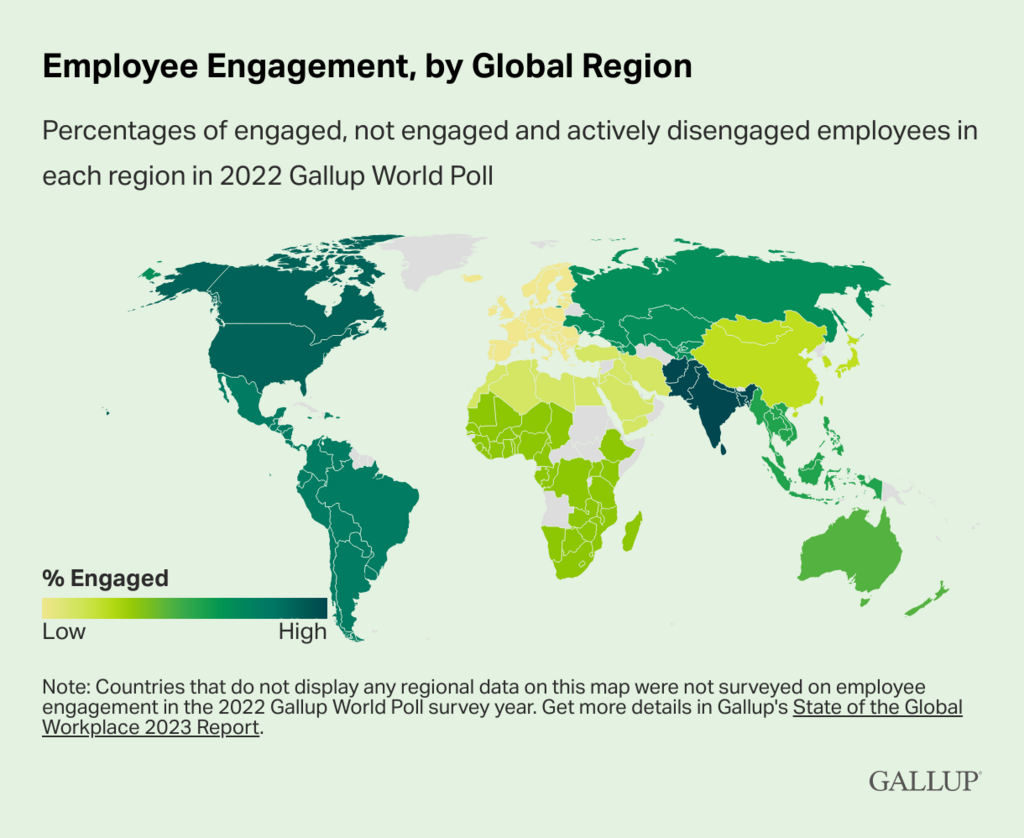
This shift means more opportunities, but it also means more competition. When a company posts a remote position, they often receive applications from a much wider pool of candidates than they would for an in-office role.
The key insight I've gained from years of remote job hunting is this: remote positions are in high demand and receive hundreds of applications for each position.
Because of this, it's more important than ever to understand what employers are looking for in a remote candidate.
Digital Skills are Essential
Success in a remote job depends heavily on your ability to use digital tools effectively. It's not just about doing your core job tasks; it's about collaborating, communicating, and staying organized in a virtual environment. Think of these as your remote work toolkit.
Employers expect remote workers to be comfortable with platforms for:
- Communication: Tools like Slack and Microsoft Teams for instant messaging and team updates.
- Video Conferencing: Apps like Zoom and Google Meet for meetings and face-to-face collaboration.
- Project Management: Software such as Trello, Asana, or Jira to track tasks and progress.
- Cloud-Based File Sharing: Platforms like Google Drive or Dropbox for sharing and collaborating on documents.
Being proficient with these tools is no longer a bonus; it's a baseline expectation for most remote roles.
Beyond specific tools, employers look for soft skills that are critical for remote success: proactive communication, independent problem-solving, and strong time management. Demonstrating your competence in these areas is key to standing out.
What is the core principle of remote work?
A company has no central office, and its employees are spread across different countries and time zones. This setup is best described as a: