Landing a Job at an AI Startup
Understanding AI Startups
The AI Startup Boom
The world of artificial intelligence is expanding at a dizzying pace. It feels a bit like a modern-day gold rush, with innovators and investors flocking to stake a claim. While tech giants are major players, much of the groundbreaking work comes from small, nimble startups.
These companies are fueled by massive investments and a shared belief that AI will fundamentally change how we live and work. They pop up in nearly every industry imaginable, from healthcare and finance to entertainment and agriculture, each aiming to solve a specific problem with intelligent technology.
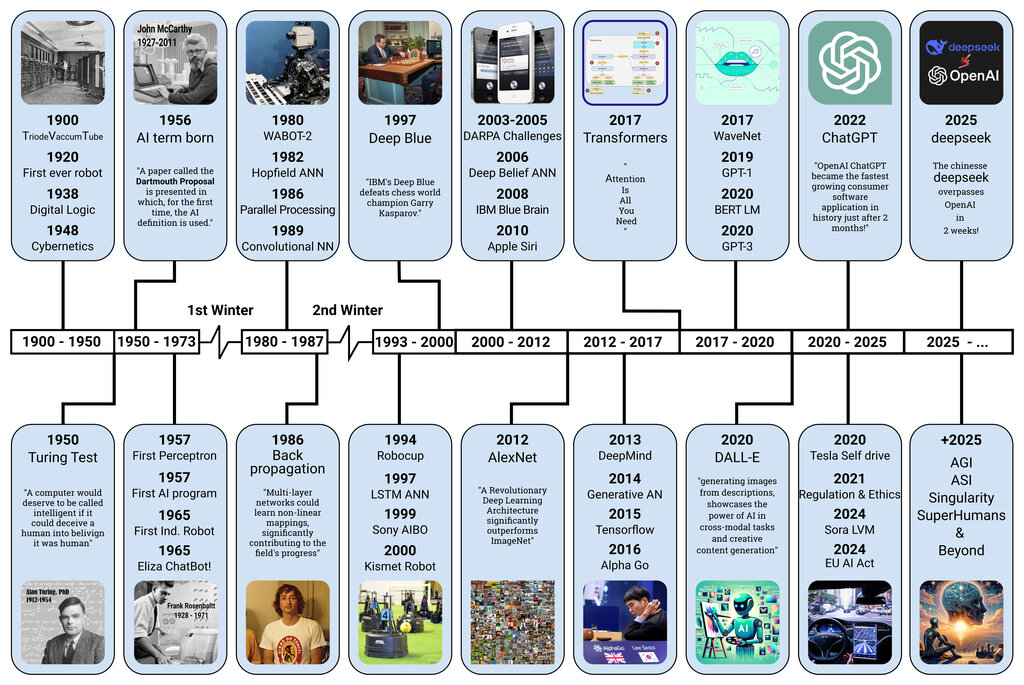
This rapid growth creates a unique and highly dynamic environment. Unlike established corporations with decades of history, AI startups are built from the ground up to be fast, flexible, and experimental.
Built for Speed
The culture inside an AI startup is one of constant motion. The core philosophy is to move quickly, test ideas, and learn from mistakes without delay. This is a stark contrast to traditional companies, which often have rigid hierarchies and slow, deliberate processes.
Startups typically have flatter organizational structures. Instead of many layers of management, you'll find small, cross-functional teams where engineers, designers, and product managers work side-by-side. This setup encourages direct communication and quick decision-making, allowing the company to pivot on a dime when new information comes to light.
In the world of AI, adaptability isn't just a buzzword; it's a survival skill. The technology changes so fast that the ability to change course is more valuable than a perfect long-term plan.
This emphasis on speed directly shapes how products are built. The goal is to get a working version of an idea into the hands of users as quickly as possible. This approach is often called an iterative development cycle.
Instead of spending years perfecting a product in secret, a startup will create a Minimum Viable Product (MVP). This is a bare-bones version with just enough features to be useful. Releasing an MVP allows the team to gather real-world feedback, see what works, and figure out what to build next. The cycle of building, testing, and learning repeats, with the product evolving rapidly based on user data, not just assumptions.
Riding the Wave
Working in the AI space means constantly learning. A new algorithm, a more powerful model, or a novel application can emerge overnight and change the entire landscape. What's considered cutting-edge today might be standard practice in six months.
This presents both a challenge and a massive opportunity. Startups that stay on top of these trends can leapfrog competitors, while those that fall behind risk becoming irrelevant. This is why you'll see a strong emphasis on continuous learning, attending conferences, and sharing knowledge within teams. The ability to absorb and apply new information is critical.
Ready to check your understanding of the fast-paced world of AI startups?
Which phrase best captures the core philosophy of an AI startup's culture?
What is the primary purpose of releasing a Minimum Viable Product (MVP)?
The AI startup scene is a challenging but exciting frontier. It's defined by rapid growth, a culture of innovation, and the constant need to adapt to a technology that is still writing its own rules.