Land Service Business Marketing Mastery
Understanding Your Target Market
Who Are Your Customers?
Before you can sell your land services, you need to know who you're selling to. Trying to appeal to everyone is a common mistake. It stretches your resources thin and makes your message generic. The key is to identify your ideal customers, the people who need your services the most and are most likely to hire you.
This process is called defining your target market. It’s the foundation of all your marketing efforts. When you know exactly who you're talking to, you can tailor your services and your message to meet their specific needs. It's the difference between shouting into a crowd and having a meaningful conversation.
Understanding your target market is crucial for business success.
Start with Demographics
Demographics are the basic, statistical characteristics of your customers. Think of them as the 'who' and 'where' of your target market. For a land service business, key demographics might include:
- Location: Are you targeting clients in urban, suburban, or rural areas?
- Occupation: Are your ideal clients farmers, real estate developers, construction managers, or residential homeowners?
- Income Level: This can influence the scale and type of projects they can afford.
- Property Type: Do they own large agricultural tracts, commercial lots, or single-family homes?
Answering these questions helps you narrow your focus. For example, a surveyor in a rapidly growing suburb might target new homeowners who need property line surveys for fences and additions. A soil scientist in a rural area might focus on farmers needing analysis for crop optimization.
Uncover Needs and Preferences
Once you know who your customers are, you need to understand what they want. What problems are they trying to solve? These are their needs. What do they value in a service provider? These are their preferences.
A homeowner's need might be simple: 'I need to know where my property line is so I can build a fence.' A developer's need is more complex: 'I need a comprehensive site analysis to ensure this land is suitable for a 50-unit housing development and to secure financing.'
Their preferences might include factors like speed, price, reputation, or clear communication. Does your client prefer a detailed report, or do they just want a phone call with the key takeaways? Understanding these nuances allows you to create an experience that resonates.
Focus on your customers' problems. Your services are the solution.
Create Customer Personas
A customer persona is a fictional character you create to represent a key segment of your target market. It’s a tool that brings your data to life. Instead of thinking about a vague 'residential client,' you can think about 'Homeowner Hailey.' This makes it much easier to imagine her needs and how to communicate with her.
A good persona includes demographics, goals, challenges (or 'pain points'), and how your business can help. Creating just two or three personas can provide incredible clarity for your marketing.
| Persona | Background | Goals | How We Help |
|---|---|---|---|
| Developer Dana | Project manager for a regional construction firm. | Find suitable land for commercial projects and navigate zoning regulations efficiently. | Provide fast, accurate topographic surveys and site planning assistance. |
| Farmer Frank | Owns and operates a 200-acre family farm. | Increase crop yield and comply with environmental regulations. | Offer soil testing, drainage analysis, and precision agriculture mapping. |
| Homeowner Hailey | Recently bought her first home in a new subdivision. | Install a fence and a garden without encroaching on her neighbor's property. | Conduct a clear and affordable boundary survey with marked property corners. |
Gathering Your Information
So, how do you get all this information? Through market research. This doesn't have to be complicated or expensive. It can be as simple as talking to your existing customers. Ask them why they chose you and what their experience was like.
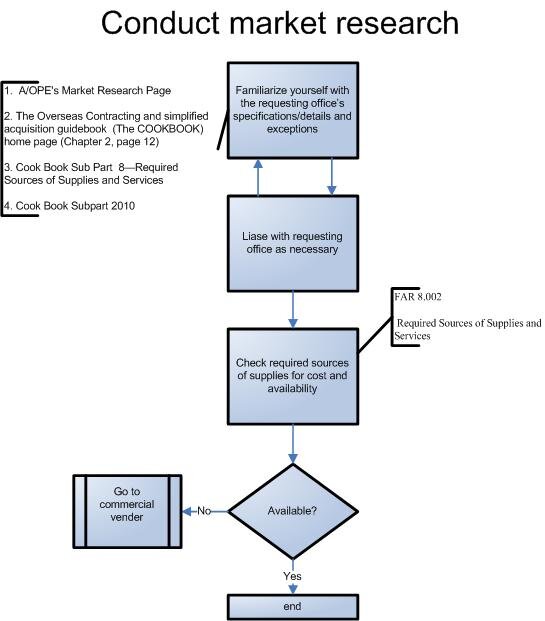
You can also conduct secondary research. Look at local government planning documents to see where growth is happening. Check out your competitors' websites to see who they seem to be targeting. Public data from sources like the U.S. Census Bureau can provide a wealth of demographic information for your area.
Putting in the effort to truly understand your target market is the single most important investment you can make in your marketing. Everything else flows from this knowledge.