Laboratory Security Essentials
Introduction to Laboratory Safety
Safety is an Action
Working in a laboratory is exciting. It's a place of discovery, where new ideas are tested and knowledge is built. But to do great work, we must first ensure we can work safely. Lab safety isn't just a list of rules to memorize; it's a mindset. It's about developing an awareness of your surroundings and making conscious choices to protect yourself and your colleagues.
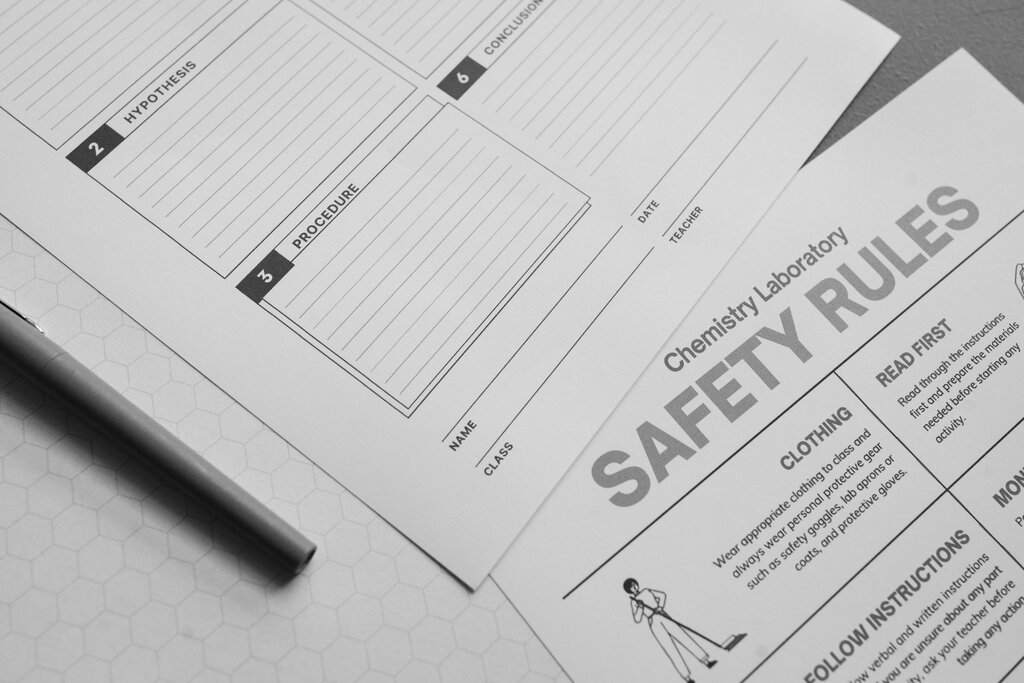
The most important part of this mindset is creating a strong safety culture. This means everyone, from the newest intern to the lead researcher, shares the responsibility for safety. A positive safety culture encourages asking questions, pointing out potential problems, and looking out for one another. It transforms safety from a requirement into a shared value.
An environment of cultured safety seeks to establish the root cause of these issues then put techniques, practices, procedures and philosophy in place to create a safe environment for all.
A Framework for Safety: RAMP
To help build this safety mindset, chemists have developed a simple but powerful framework called RAMP. It's a way to think through the safety of any experiment, task, or procedure. RAMP is an acronym that stands for:
Recognize hazards. Assess the risks of those hazards. Minimize the risks. Prepare for emergencies.
Let's break down what each step means.
The Steps in Action
1. Recognize Hazards A hazard is any source of potential damage, harm, or adverse health effects. Before starting any work, you must first recognize what could go wrong. This involves looking at the chemicals you'll use, the equipment you'll operate, and the procedure itself. Are you working with something flammable? Is there a risk of electric shock? Could a glass container break? The first step is simply to see the potential dangers.
hazard
noun
A potential source of harm or adverse health effect on a person or persons.
2. Assess Risks Once you've identified the hazards, the next step is to assess the risk associated with each one. Risk isn't the same as a hazard. Risk is the chance that a person will be harmed by the hazard, combined with the severity of that harm. For example, a bottle of concentrated acid is a hazard. The risk of getting a severe burn is high if you handle it carelessly without gloves, but the risk is low if you use proper protective equipment and follow procedures.
3. Minimize Risks This step is all about action. How can you make the procedure safer? You can minimize risks by using a combination of controls. This might mean substituting a hazardous chemical for a safer one, using a fume hood to control vapors, or wearing personal protective equipment (PPE) like gloves, goggles, and a lab coat. The goal is to reduce the risk to the lowest acceptable level.
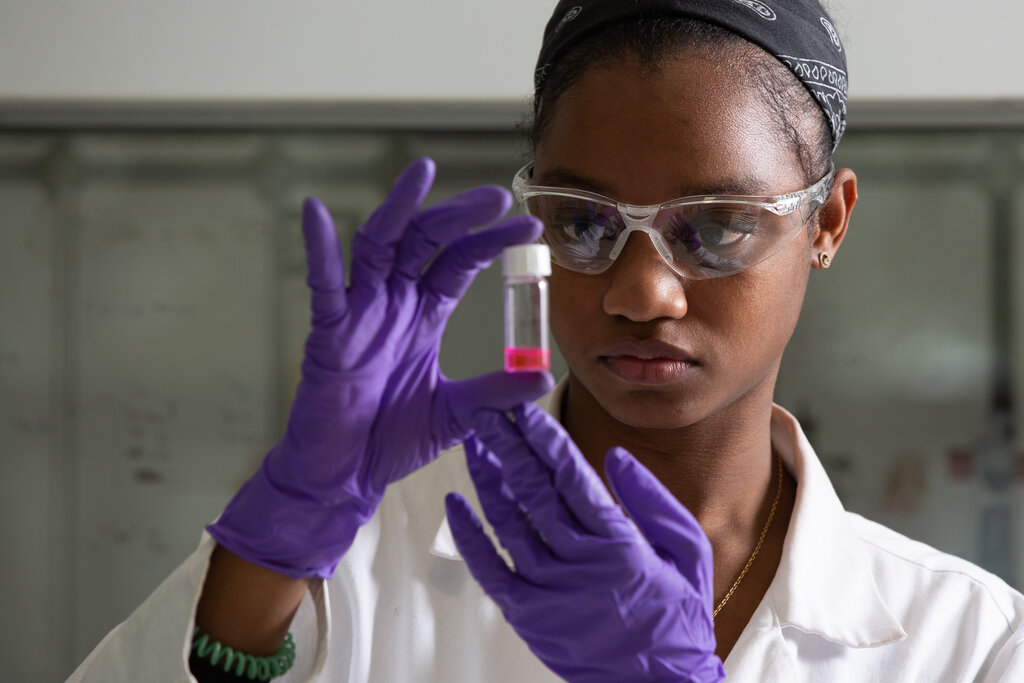
4. Prepare for Emergencies Even with the best planning, accidents can happen. Preparation is key. This means knowing what to do if something goes wrong. Where is the nearest fire extinguisher, safety shower, and eyewash station? Who do you call for help? What is the plan for cleaning up a spill? Being prepared ensures that a small incident doesn't turn into a major accident.
By consistently applying the RAMP framework, you build the habits of a safe scientist. It becomes a natural part of how you approach your work, ensuring that every experiment is not just a success, but a safe one too.
What is the primary purpose of the RAMP framework in a laboratory setting?
A chemist identifies that concentrated hydrochloric acid is corrosive. Which step of the RAMP framework are they performing?