Laboratory Sample Processing Fundamentals
Introduction to Laboratory Sample Processing
From Raw to Ready
In a laboratory, a 'sample' is a small piece of a much larger whole. It could be a drop of blood representing a patient's health, a scoop of soil from a field, or a bit of water from a river. But you can't just place that raw sample into a high-tech machine and get answers. It first needs to be carefully prepared. This preparation is called sample processing.
Sample Processing
noun
The series of steps performed on a raw sample to prepare it for analysis. The goal is to isolate, concentrate, and stabilize the substance of interest, making it suitable for measurement.
Think of it like cooking. You wouldn't just toss a whole potato into a pan and expect perfect french fries. You have to wash it, peel it, slice it into the right shape, and maybe even soak it. Each step is crucial for the final result.
Sample processing is the same. It's the critical link between collecting a sample and analyzing it. No matter how advanced your analytical instrument is, the results will be meaningless if the sample isn't prepared correctly. This is a fundamental principle in science: garbage in, garbage out.
A reliable analysis can only come from a well-prepared sample. The quality of your results is determined before the final measurement ever begins.
What's the Goal?
Sample processing isn't just busy work; it has very specific objectives. The main goals are to make the substance you want to measure, called the analyte, ready for the spotlight.
First, you often need to isolate the analyte. A soil sample might contain minerals, organic matter, and water, but you might only care about the amount of lead. Processing removes the other components, called the matrix, that could interfere with the measurement.
Second, the process may need to concentrate the analyte. Imagine trying to find a single drop of dye in a swimming pool. Your analytical instrument might not be sensitive enough to detect it. Sample processing techniques can effectively remove much of the water, concentrating the dye so it's easily detectable.
Finally, some analytes need to be converted into a different form to be measured. The processing steps can trigger a chemical reaction that changes the analyte into a substance that is easier for an instrument to see or quantify.
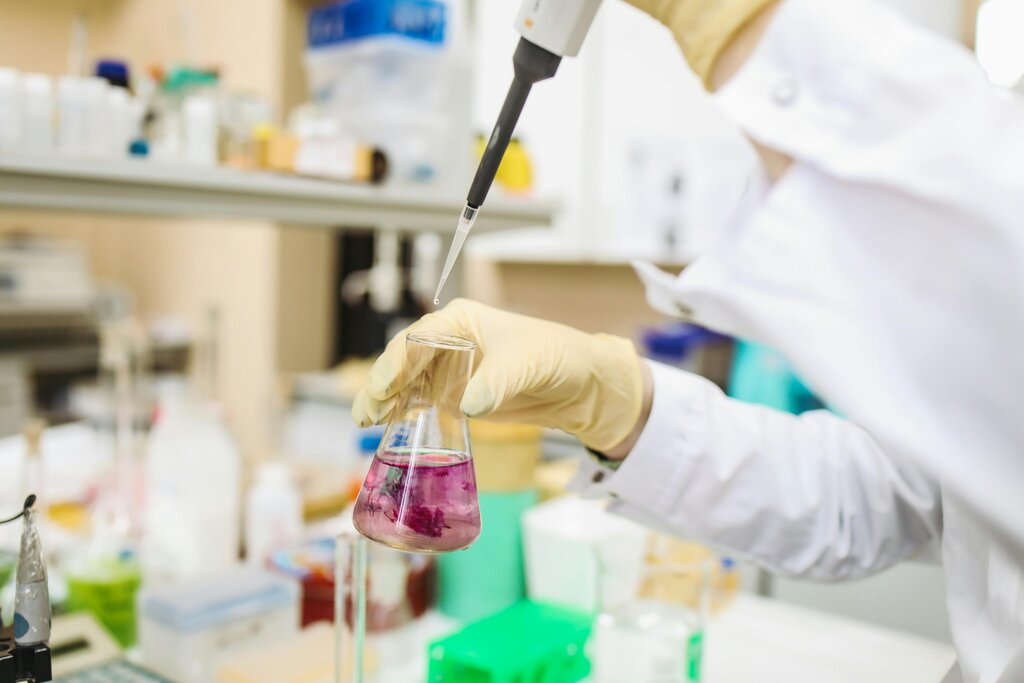
A Sample's Journey
While the exact steps vary wildly depending on the sample and the goal, the general workflow follows a logical path. It’s a journey from its raw state to a purified, analysis-ready solution.
| Step | Description | Why It's Done |
|---|---|---|
| 1. Logging | The sample is received, labeled with a unique ID, and its details are recorded. | To ensure the sample is tracked accurately and never mixed up with others. |
| 2. Initial Prep | The sample may be physically altered. Solids might be ground into a fine powder; tissues might be sliced thinly. | To make the sample uniform and easier to work with in subsequent steps. |
| 3. Extraction | The analyte is separated from the bulk of the sample matrix using solvents or other techniques. | To isolate the substance of interest from interfering materials. |
| 4. Cleanup & Concentration | The extracted material is further purified. Unwanted substances are removed and the solvent may be evaporated. | To remove any remaining impurities and increase the analyte's concentration. |
| 5. Final Preparation | The purified analyte is dissolved in a specific liquid and diluted to the perfect concentration for the instrument. | To make the sample fully compatible with the analytical equipment for a final, accurate reading. |
Each of these stages is a potential source of error. A mistake at any point can compromise the sample's integrity, leading to flawed data. That’s why careful, consistent sample processing is the bedrock of reliable laboratory work.