KYC and AML Essentials
Introduction to KYC and AML
Who Are You, Really?
When you open a bank account, you have to show some ID. It might be a driver's license, a passport, or another government-issued document. This process feels routine, but it's the first step in a crucial security process called Know Your Customer, or KYC.
KYC means “Know Your Customer”. It is a process by which banks obtain information about the identity and address of the customers.
At its core, KYC is exactly what it sounds like: a financial institution verifying that you are who you say you are. Think of it as a digital handshake. The bank needs to confirm your identity to protect both you and itself from fraud, identity theft, and other financial crimes. It establishes a baseline of trust. Without it, anyone could open an account under a false name to conduct illegal activities.
Following the Money
KYC is a key part of a much larger set of regulations known as Anti-Money Laundering (AML). While KYC is about verifying identity, AML is about monitoring financial activity to detect and prevent criminal behavior.
Money laundering is the process of making money from illegal activities, like drug trafficking or corruption, look like it came from a legitimate source. Criminals do this to hide their tracks and enjoy their profits without getting caught. For example, they might try to deposit large amounts of cash into a bank through a series of smaller, less-suspicious transactions.
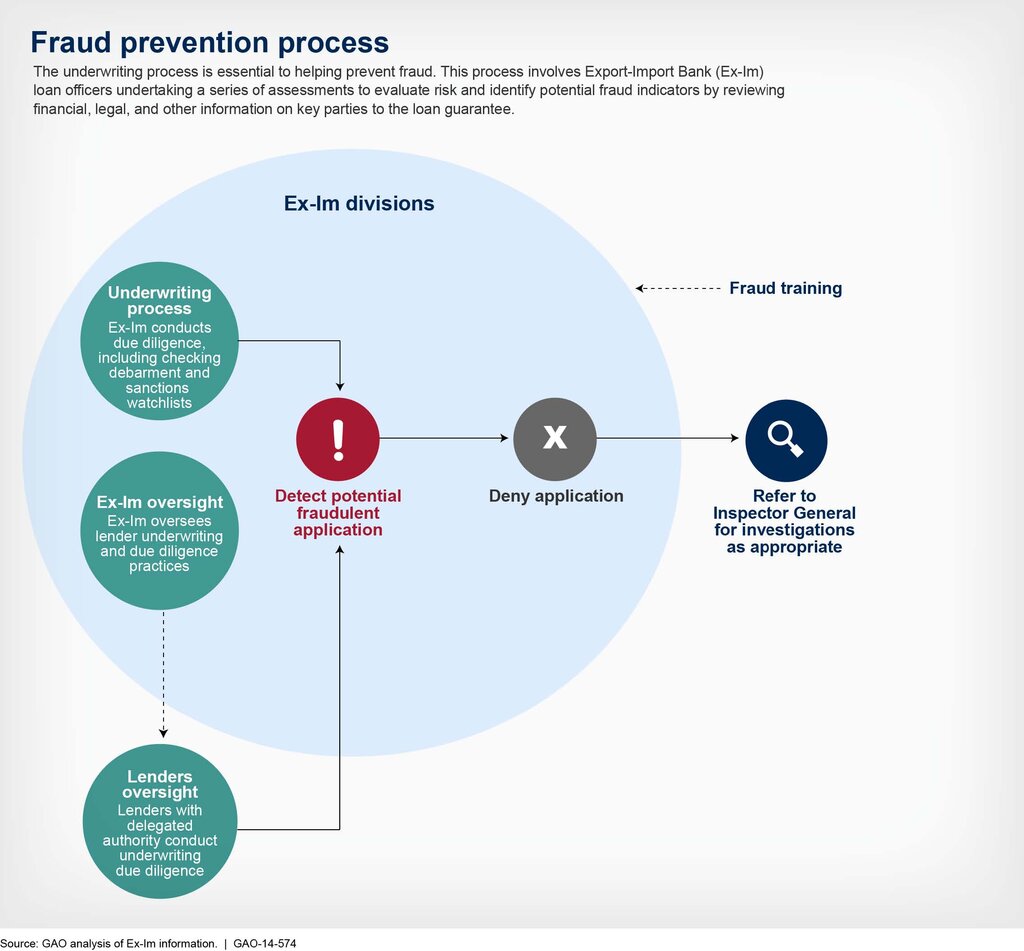
KYC is the foundation. It ensures the bank knows who is performing a transaction. AML uses that information to analyze the transaction itself, flagging anything that looks suspicious.
AML rules require banks to report these kinds of strange activities to regulators. This system of checks and monitoring makes it much harder for criminals to use the financial system to wash their dirty money. Together, KYC and AML form a powerful defense to maintain the integrity of our financial institutions.
A Brief History
These practices weren't always standard. For much of history, financial institutions had fewer obligations to scrutinize their customers. However, as organized crime grew in the 20th century, governments realized that tracking the flow of money was one of the most effective ways to fight it.
The first major steps toward modern AML and KYC began in the United States with the Bank Secrecy Act of 1970. This law required financial institutions to help the government detect and prevent money laundering by keeping records and reporting certain transactions.
Over the following decades, especially with the rise of global terrorism and international drug trade, these regulations became stricter and more widespread. International bodies were formed to create global standards, ensuring that criminals couldn't just move their operations to a country with weaker rules. What started as a national effort became a coordinated, worldwide campaign to protect the financial system from abuse.
Now, let's review the key terms we've discussed.
Ready to check your understanding?
What is the primary purpose of Know Your Customer (KYC) procedures in a financial institution?
How do Know Your Customer (KYC) and Anti-Money Laundering (AML) relate to each other?
KYC and AML are now fundamental pillars of modern banking. They are the essential, behind-the-scenes processes that help keep the global financial system safe and trustworthy.