KYC AML Certification for Banking Professionals
Introduction to KYC and AML
The Gatekeepers of Banking
When you open a bank account, you have to provide documents like your ID and proof of address. This process is part of a crucial system called Know Your Customer, or KYC. It’s not just paperwork; it’s the bank's way of verifying that you are who you say you are.
KYC (Know Your Customer)
other
The process a business uses to verify the identity of its clients and assess their suitability, along with the potential risks of illegal intentions for the business relationship.
The main goal of KYC is to prevent banks from being used, intentionally or unintentionally, by criminal elements for illegal activities. By understanding who their customers are and what their financial dealings look like, banks can spot suspicious behavior more easily.
This leads us to a broader concept: Anti-Money Laundering (AML).
Anti-Money Laundering refers to the set of laws, regulations, and procedures intended to prevent criminals from disguising illegally obtained funds as legitimate income.
Think of KYC as one of the most important tools in the AML toolkit. While KYC focuses on customer identity, AML is the whole strategy for combating financial crime. It involves monitoring transactions and reporting suspicious activity to the authorities.
Why It Matters
Strong KYC and AML practices are not just about following rules. They are essential for protecting the integrity of the entire financial system. When criminals can easily move dirty money, it fuels more crime, from drug trafficking to terrorism.
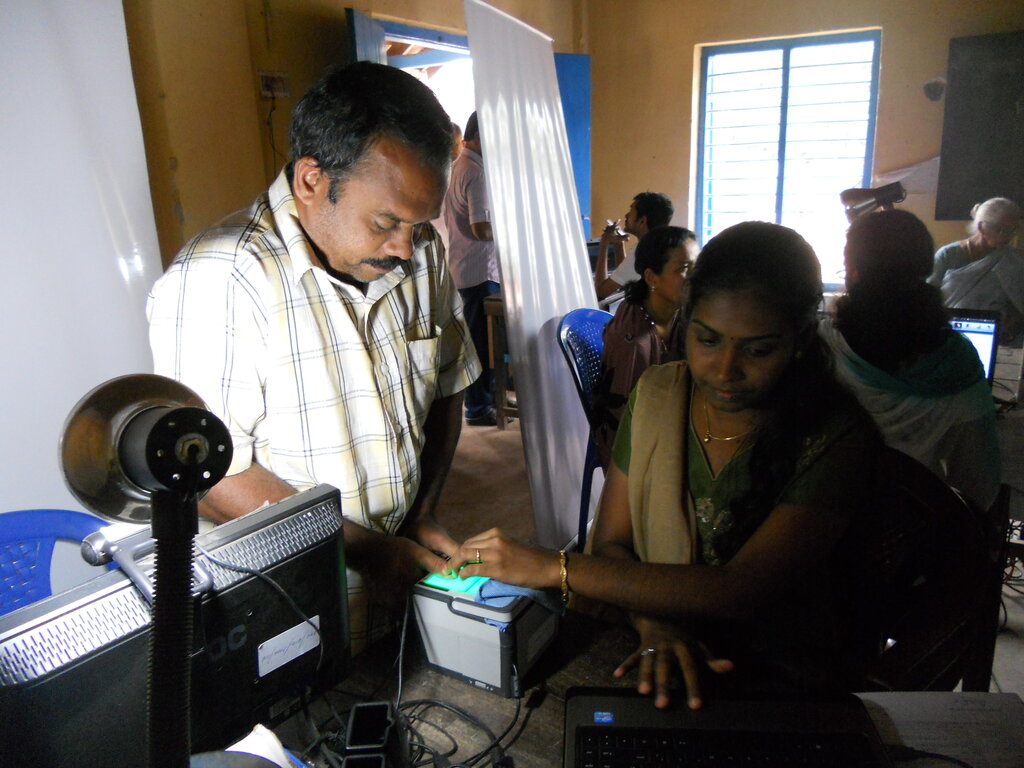
For banks, failing to comply can lead to massive fines and severe reputational damage. More importantly, these measures help keep our financial world safer and more transparent for everyone. It’s about building a foundation of trust between you, your bank, and the financial system as a whole.
KYC verification is deemed necessary in order to reduce illegal activities such as money laundering, bribery, and corruption.
The Rulebook
In India, the rules for KYC and AML are not optional. They are guided by a specific legal framework. The most important law is the Prevention of Money Laundering Act (PMLA), passed in 2002. This act forms the backbone of India's fight against financial crime.
The Reserve Bank of India (RBI) takes this law and creates detailed guidelines that all banks must follow. These guidelines specify how to perform KYC, what to look for in transactions, and when to report suspicious activity. The Indian Institute of Banking & Finance (IIBF) also plays a role by setting professional standards and ensuring bankers are well-trained in these critical responsibilities.
Together, this framework ensures that all banks operate under a consistent and robust set of rules to combat financial crime.
Ready to check your understanding? Let's see what you've learned.
What is the main purpose of Know Your Customer (KYC) procedures in a bank?
How does Anti-Money Laundering (AML) relate to Know Your Customer (KYC)?
Understanding these foundational concepts is the first step in appreciating the complex and vital role banks play in maintaining financial security.