Kuzbass Economic Resilience
Kuzbass Economic History
Russia's Coal Capital
The story of the Kuznetsk Basin, or Kuzbass, is written in coal. While local inhabitants knew of the "burning stones" for centuries, the region's transformation began in earnest in the late 19th century. The catalyst was the construction of the Trans-Siberian Railway. This massive infrastructure project needed huge amounts of coal, and suddenly, the vast reserves of the Kuzbass were not just a local curiosity but a strategic national asset.
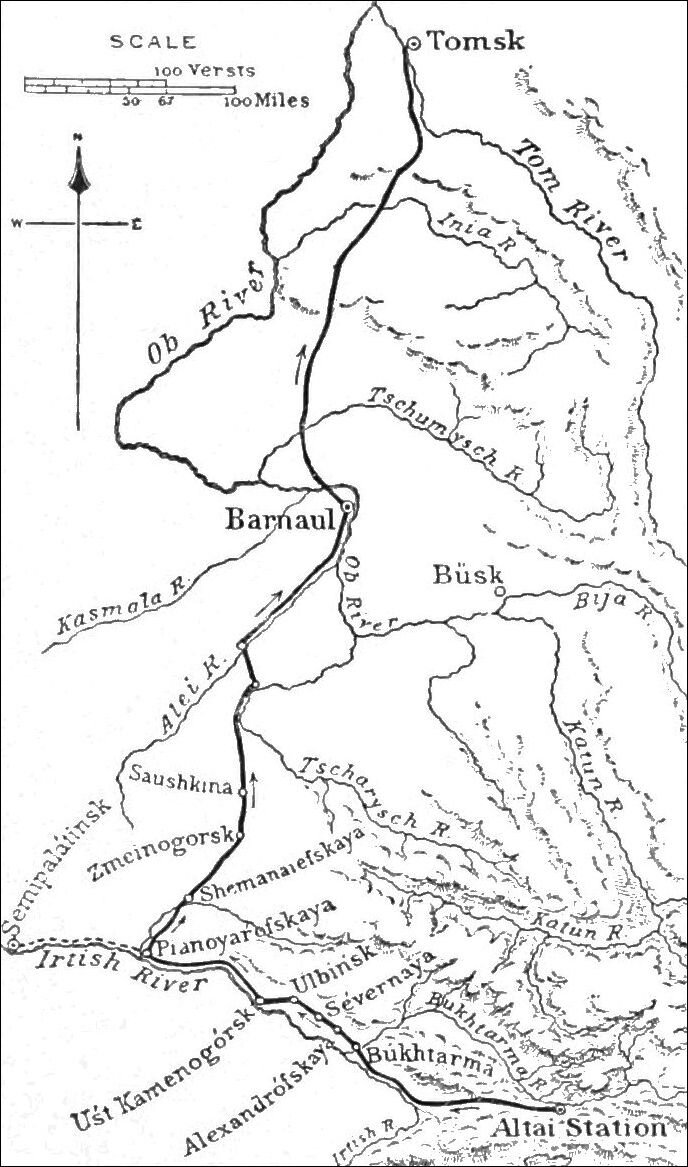
Early mining was small-scale, but the railway unlocked the region's potential. It allowed coal to be transported thousands of kilometers, fueling trains, factories, and cities across the sprawling Russian Empire. The groundwork was laid for an industrial boom that would reshape Siberia.
Forging a Superpower
The Soviet era turned the Kuzbass into an industrial giant. Under Joseph Stalin's rapid industrialization plans in the 1920s and 30s, the region became a cornerstone of the economy. The ambitious Ural-Kuznetsk Combine was created, a massive industrial project linking the iron ore of the Ural Mountains with the coking coal of the Kuzbass. Trains ran in a constant loop: coal traveled west to the Urals to fuel steel mills, and iron ore traveled east to new steel plants built in the Kuzbass.
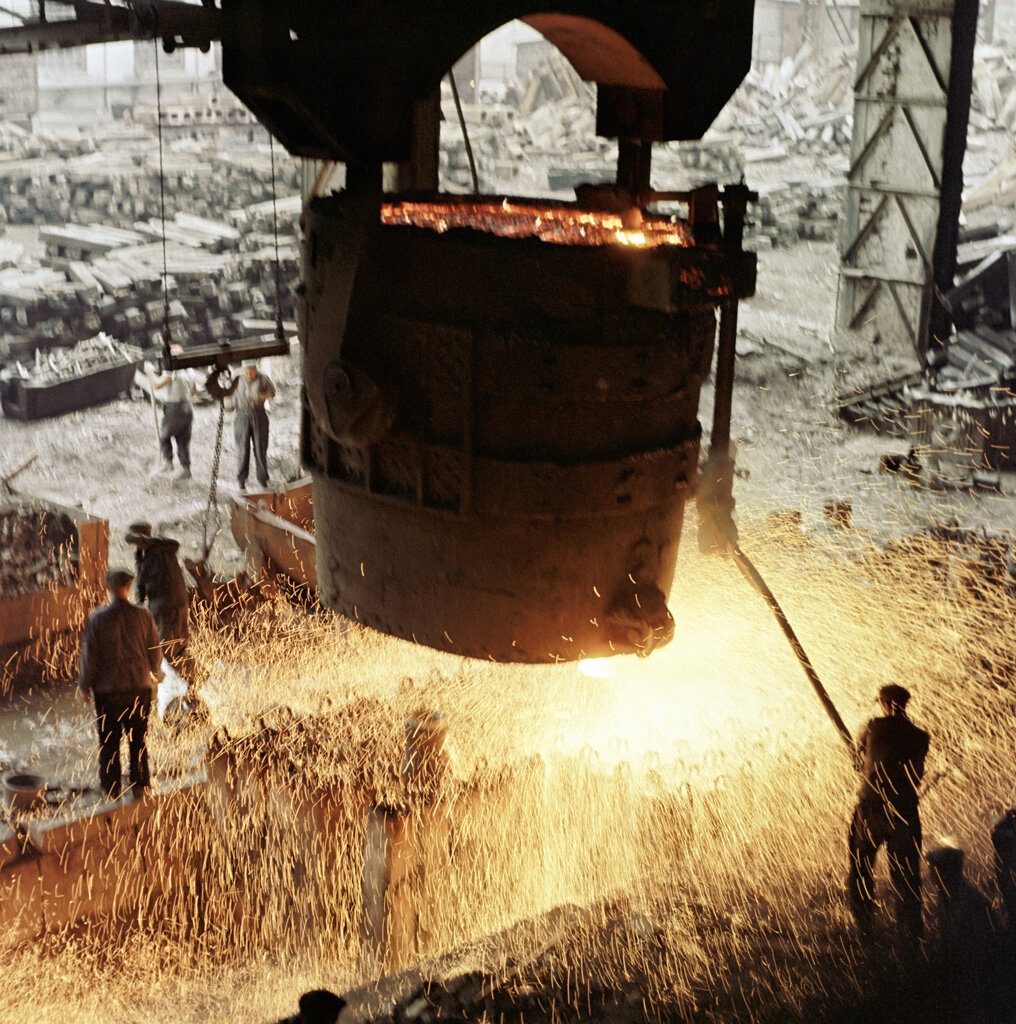
This integration created a powerful industrial heartland deep within the country, safe from potential invaders. During World War II, when western industrial centers were threatened, the Kuzbass was critical to the war effort, churning out the coal needed to produce tanks, planes, and munitions.
After the war, production continued to climb. By the 1980s, the Kuzbass was the undisputed coal champion of the Soviet Union, mining a staggering volume of both thermal coal for power stations and coking coal for metallurgy.
At its peak, the Kuzbass was responsible for over one-third of all coal produced in the entire Soviet Union.
The Socio-Economic Bedrock
The coal industry didn't just extract resources; it built a society. Entire cities like Novokuznetsk, Kemerovo, and Prokopyevsk sprang up around the mines. These were classic "monotowns," where nearly every aspect of life was tied to the fortunes of the coal industry. The mines weren't just employers; they often ran the local housing, clinics, and schools.
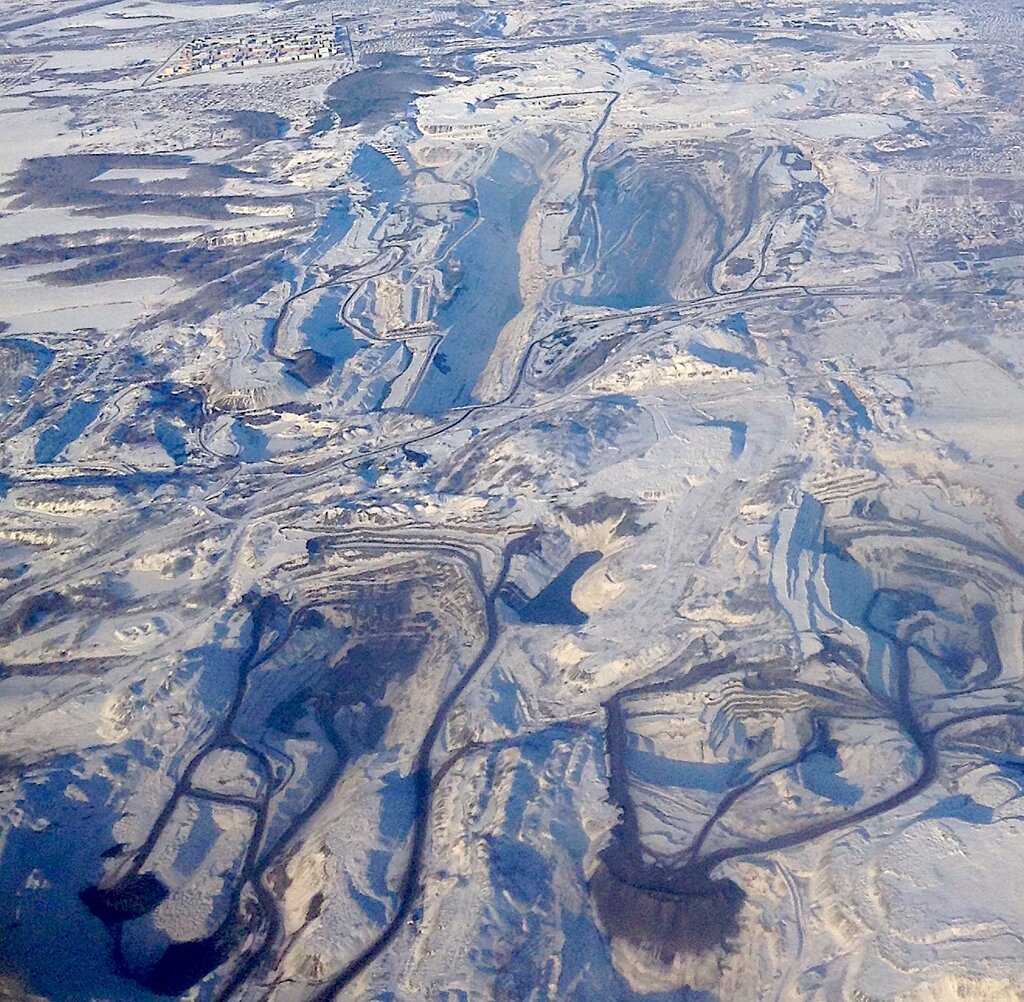
Generations of families worked in the mines. A distinct culture developed, built on hard work, community solidarity, and the shared dangers of mining. This influx of workers from across the Soviet Union created a diverse population, all drawn to the region by the promise of steady, if strenuous, employment.
However, this deep dependence on a single industry created long-term vulnerabilities. The economic and social fabric of the Kuzbass was woven from coal, making it strong in times of high demand but fragile when the industry faced challenges.
Now, check your understanding of the Kuzbass's historical development.
What major infrastructure project was the primary catalyst for the large-scale development of the Kuzbass coal reserves in the late 19th century?
The primary purpose of the Ural-Kuznetsk Combine was to link the iron ore of the Ural Mountains with the _________ of the Kuzbass.
Understanding this history—from the first railway lines to the rise of the monotowns—is key to grasping the modern economic landscape of the Kuzbass.