Kuwait Restaurant Business Essentials
Kuwait Restaurant Industry Overview
Kuwait's Dining Boom
Kuwait’s restaurant scene is expanding at a remarkable pace. This isn't just a slow simmer; it's a full boil. A young, urban population with significant disposable income is driving this change. For many, dining out is a primary form of entertainment and socializing, leading to a surge in consumer spending on food.

People aren't just eating out more often; they're spending more when they do. This willingness to spend is fueled by a desire for quality, variety, and new experiences. From casual coffee meetings to elaborate family dinners, restaurants have become central to social life. This consistent demand creates a fertile ground for both new and established food businesses to thrive.
Global Brands and Local Flavors
Walk through any mall in Kuwait, and you'll see a familiar lineup of international fast-food and casual dining chains. These global franchises have a strong foothold, attracting customers with their brand recognition, standardized quality, and marketing power. They offer a taste of the world that is both reliable and aspirational.
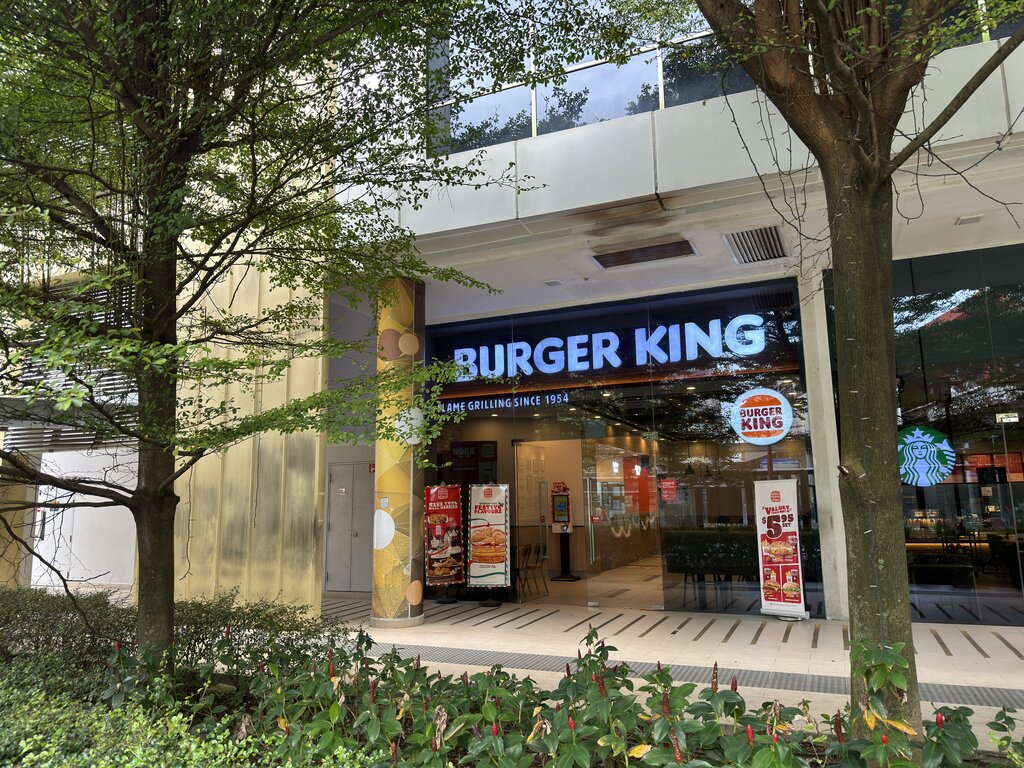
But the story doesn't end there. Alongside these giants, a vibrant scene of local culinary concepts is flourishing. Homegrown restaurants are making a name for themselves by offering unique dining experiences, innovative menus, and a personal touch that larger chains can't always replicate. These local spots often blend traditional Kuwaiti flavors with international culinary trends, creating exciting new dishes that resonate with a modern palate. This rise of local entrepreneurship adds depth and diversity to the market, giving diners more choices than ever before.
The market is a dynamic mix: customers might grab a burger from a global chain for lunch but seek out a unique, locally-owned café for dinner.
The Digital Kitchen
Technology has completely reshaped how restaurants operate in Kuwait. The most significant change has been the explosion of food delivery platforms. Apps like Talabat and Carriage have made it incredibly easy for customers to order from a vast array of restaurants with just a few taps. This convenience has created a massive new revenue stream for restaurants, but it has also increased competition.
Strategic menu pricing and restaurant revenue management Break-even and capacity analysis to reduce food wastage and optimise costs Effective restaurant operations management and process optimisation Business model development and cloud kitchen operations
This digital shift has also given rise to a new business model: the cloud kitchen. Also known as ghost kitchens, these are cooking facilities that exist solely for delivery, with no storefront or dining area. This model dramatically lowers the startup costs and risks associated with opening a traditional restaurant. Entrepreneurs can launch a new food concept quickly, test different menus, and reach a wide audience through delivery apps without the expense of a physical location. Cloud kitchens are allowing for more culinary experimentation and are a major factor in the industry's rapid innovation.
Ready to check your understanding of Kuwait's restaurant industry?
What is the primary factor driving the growth of Kuwait's restaurant industry?
Which statement best describes the competitive landscape of restaurants in Kuwait?
Understanding these key trends—from consumer spending habits to the dual influence of global and local brands and the transformative impact of technology—is the first step in navigating Kuwait's exciting food scene.