Kung Fu Mastery and Philosophical Application
Kung Fu Evolution
From Battlefield to Monastery
Early Chinese martial arts were born from necessity. On the battlefield, survival depended on practical, lethal techniques. During the Ming Dynasty (1368–1644), military leaders began to systematize these methods. They weren't interested in philosophy or self-cultivation; they needed to train effective soldiers quickly. Generals like Qi Jiguang compiled manuals detailing proven empty-hand and weapons techniques, drawn from the best of what he observed in his troops.
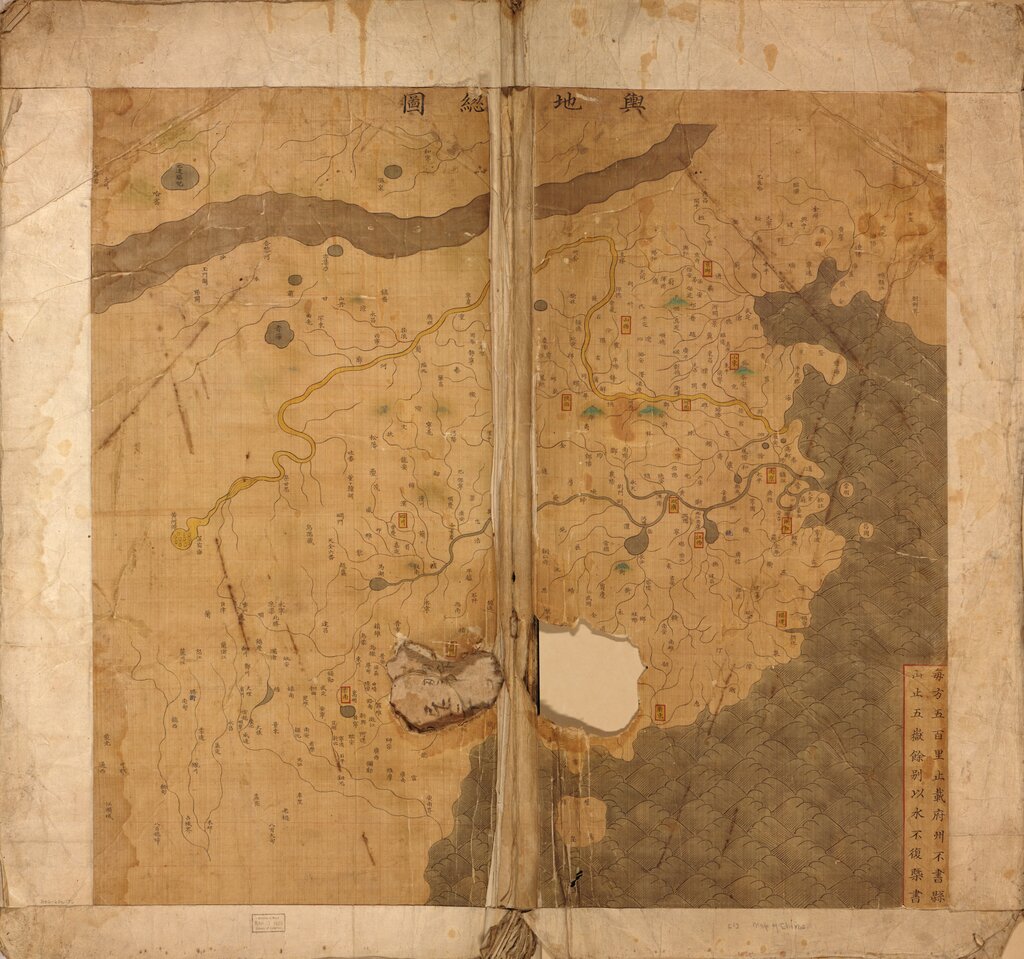
These military manuals focused on efficiency. They illustrated stances, strikes, and weapon forms with one goal: defeating an armed opponent. There was little emphasis on the flowing, complex sequences, or taolu, common today. Instead, they cataloged individual techniques and simple, direct combinations. This was military Kung Fu, a science of combat stripped of all non-essentials. It was a curriculum for the state, designed for organized warfare.
Military systems valued directness and lethality. Civilian systems, which evolved later, had the space to incorporate health, philosophy, and personal development.
The Temple and the Diaspora
While the military honed its methods, a different evolution was happening in places like the Shaolin Temple. Here, martial practice became intertwined with Chan (Zen) Buddhism. The goal shifted from mere combat effectiveness to a path of self-discovery and discipline. This fusion created a unique culture where martial arts were a form of active meditation, a way to unify mind, body, and spirit.
The philosophy behind Kung Fu is based on the principle of achieving balance and harmony between the body, mind, and spirit.
This parallel development was shattered during the transition from the Ming to the Qing Dynasty in the mid-17th century. The legendary destruction of the Shaolin Temple, a story with many variations, symbolizes a critical turning point. While the historical accuracy is debated, the result was a diaspora of martial knowledge. Monks and martial artists scattered across China, spreading their teachings and adapting them to new environments.
North vs. South
The scattering of martial artists led to distinct regional styles, shaped by the local environment. In the open plains of Northern China, fighters had room to maneuver. This geography favored long-range techniques: sweeping kicks, acrobatic movements, and fluid, mobile footwork. Styles like Long Fist and Northern Praying Mantis exemplify this approach, emphasizing agility and range.
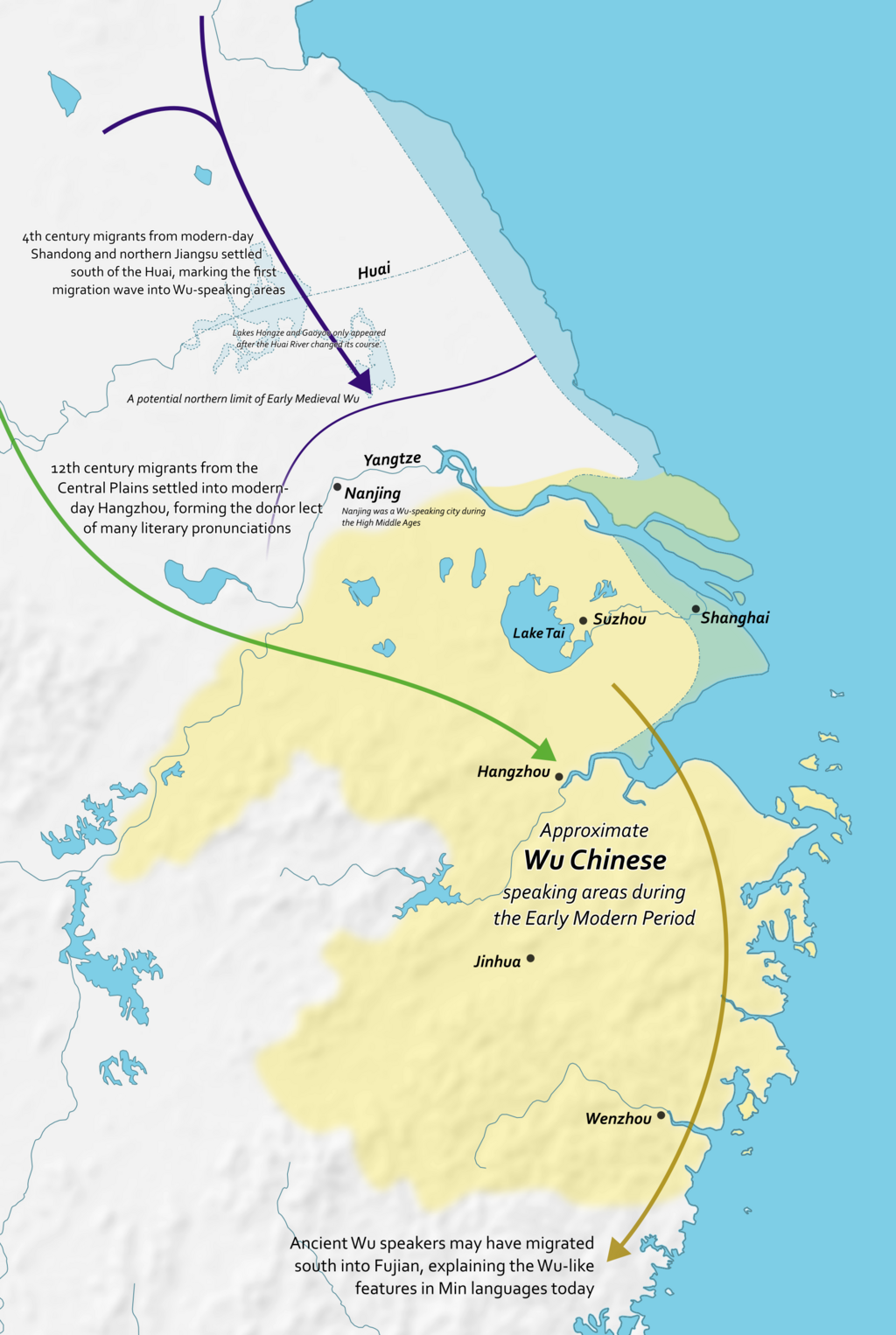
In contrast, Southern China is more crowded, with bustling cities and river-based communities. Fighting often occurred in tight spaces, on boats, or in narrow alleys. This environment gave rise to close-quarter combat systems. Southern styles, like Wing Chun and Hung Gar, feature stable, low stances, powerful hand techniques, and short-range kicks. The focus is on generating force from a solid base, without needing much space to move.
| Feature | Northern Styles | Southern Styles |
|---|---|---|
| Stances | Wide, mobile | Low, stable |
| Techniques | Long-range kicks, acrobatics | Powerful hand strikes, low kicks |
| Footwork | Fluid, evasive | Rooted, firm |
| Environment | Open plains | Crowded urban/river areas |
This divergence shows how Kung Fu isn't a monolithic art but a living tradition that adapts to its surroundings. The principles might be shared, but the physical expression is a direct response to the demands of the environment. From the structured drills of a Ming army to the explosive hand techniques of a Southern port city, the evolution of Kung Fu is written in the history and geography of China itself.
What was the primary motivation for systematizing martial arts during China's Ming Dynasty?
The development of Southern Chinese martial arts styles, like Wing Chun, was heavily influenced by what environmental factor?