Kubernetes Fundamentals
Introduction to Kubernetes
From Servers to Containers
Not long ago, running an application meant dedicating an entire physical server to it. If you had three applications, you needed three servers. This was expensive and inefficient, as most applications didn't use the server's full power.
Then came virtualization. We could run multiple virtual machines (VMs) on a single physical server. Each VM acted like its own computer, with its own operating system. This was a huge improvement, but VMs were still bulky and slow to start up.
The next leap forward was containerization. Instead of virtualizing the entire computer, containers virtualize just the operating system. A container packages an application and all its dependencies—libraries, settings, and other files—into a single, lightweight unit. This makes applications portable and consistent, no matter where they run. This shift, however, introduced its own set of challenges.
The Need for an Orchestrator
Containers are great, but managing just one or two is easy. What happens when you have hundreds, or even thousands, spread across many servers? How do you coordinate them? If one container fails, how do you replace it automatically? How do you handle network traffic between them? And how do you scale up to handle more users, then scale back down when traffic subsides?
Doing this manually is nearly impossible. It's like trying to conduct an orchestra where every musician decides for themselves when to play. The result is chaos. You need a conductor—a system to orchestrate all the moving parts.
This is where Kubernetes comes in. It's an open-source platform that automates the management of containerized applications. It handles the deployment, scaling, and operations of applications across clusters of hosts.
Kubernetes is an open source container orchestration platform that automates many of the manual processes involved in deploying, managing, and scaling containerized applications.
Originally developed by Google and now maintained by the Cloud Native Computing Foundation, Kubernetes provides a framework for running distributed systems resiliently. It takes care of scaling and failover for your application, provides deployment patterns, and more.
Fueling Microservices
The rise of containers and Kubernetes happened alongside another major shift in software development: the move to microservices architecture. Instead of building one large, monolithic application, developers began breaking applications down into collections of smaller, independently deployable services.
For example, an e-commerce site might have separate services for user authentication, product catalogs, the shopping cart, and payment processing. Each service is simpler, can be updated independently, and can even be written in a different programming language.
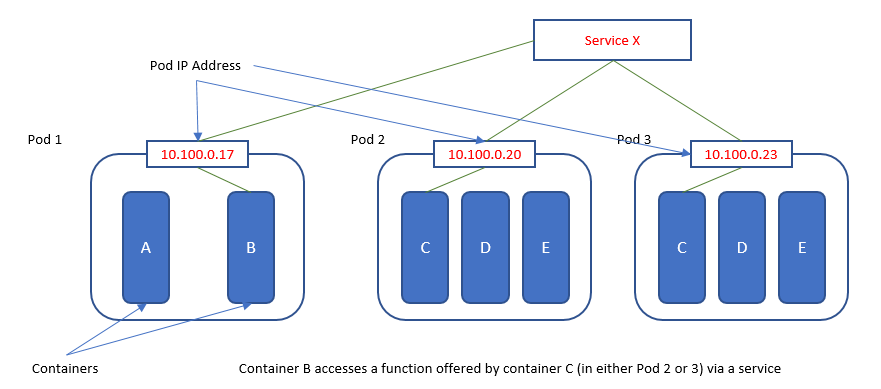
This approach is powerful, but it dramatically increases the number of components that need to be managed. A single application might now consist of dozens of containers. Kubernetes is the perfect tool for this job. It can manage the lifecycle of each microservice, scale them independently based on demand, and handle the complex networking required for them to communicate with each other securely and efficiently.
Kubernetes provides the robust foundation needed to run complex, multi-part applications at scale, making it a cornerstone of modern cloud-native development.
Ready to check your understanding?
What was the primary inefficiency of the traditional model of dedicating one entire physical server to a single application?
What is the key difference between virtualization (using VMs) and containerization?
By automating the heavy lifting of container management, Kubernetes allows development teams to focus on what they do best: building great applications.