Kubernetes and Docker
Optimized Containerization
Mastering Production-Ready Containers
Moving from basic containers to production-grade architecture requires a shift toward efficiency and security. This chapter will guide you through writing high-performance Dockerfiles by leveraging multi-stage builds, optimizing layer caching for faster pipelines, and locking down security with minimal base images. By the end, you will possess the skills to transform your container strategy into an industry-standard cloud-native workflow.
The Heavy Burden of Monolithic Images
When you first learn Docker, it is tempting to cram everything into one file. You start with a base image, install your , download your source code, and run a build command. It works, but the result is a massive, bloated container. Think of it like a traveler heading to a beach resort who insists on carrying their entire home workshop—saws, drills, and heavy lumber—just to build a single lounge chair once they arrive. Once the chair is built, they keep lugging the heavy tools around for the rest of the vacation. This is exactly what happens when you keep build-time tools in your final runtime image.
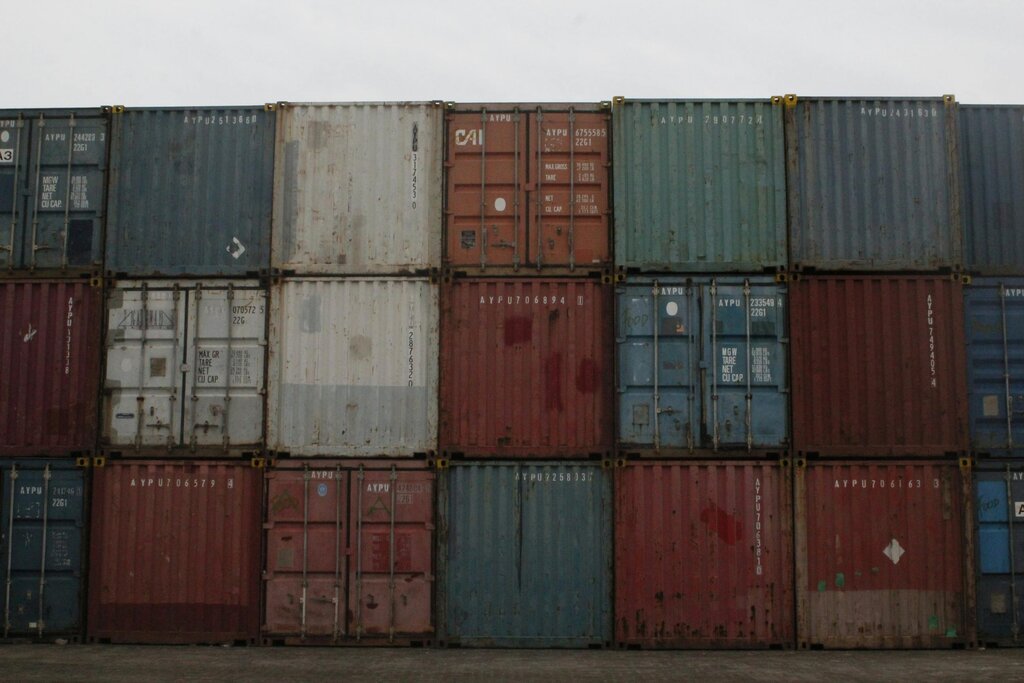
These monolithic images carry significant hidden costs. First, there is the performance hit: large images take longer to push to a registry and longer for your servers to pull down during a deployment. More importantly, there is a serious security risk. Every unnecessary binary, such as a or a debugger, is a potential tool for an attacker who manages to exploit your application. A leaner image does not just run faster; it provides a much smaller attack surface.
A Better Way Multi Stage Builds
Multi-stage builds are the industry-standard solution to this problem. Instead of one long list of instructions that results in a single heavy image, you use multiple FROM statements in a single Dockerfile. This allows you to create a temporary 'builder' stage where all the heavy lifting happens. Once the application is compiled, you simply copy the final executable into a fresh, tiny production image and discard the builder stage entirely. It is the digital equivalent of leaving the heavy workshop at home and only bringing the finished lounge chair to the beach.
Take advantage of multi-stage builds to create leaner, more secure Docker images.
By adopting this pattern, you ensure that your production environment is free of development assets, secrets used during the build, and unnecessary binaries. In the next section, we will look at the specific syntax to define these stages and move files between them to create your first lean, production-ready image.