Korean Language Fundamentals
Hangul Alphabet
Welcome to Hangul
The Korean writing system is called Hangul (한글). It’s an alphabet, just like the one used for English. But instead of being written one letter after another in a long line, Hangul letters are grouped into syllable blocks.
Hangul, the Korean alphabet, is a unique and scientific writing system that was invented in the 15th century by King Sejong the Great and his scholars.
King Sejong wanted an alphabet that was easy for everyone to learn. Before Hangul, Koreans used complex Chinese characters, which were difficult for most people to master. Hangul changed everything, making literacy widespread.
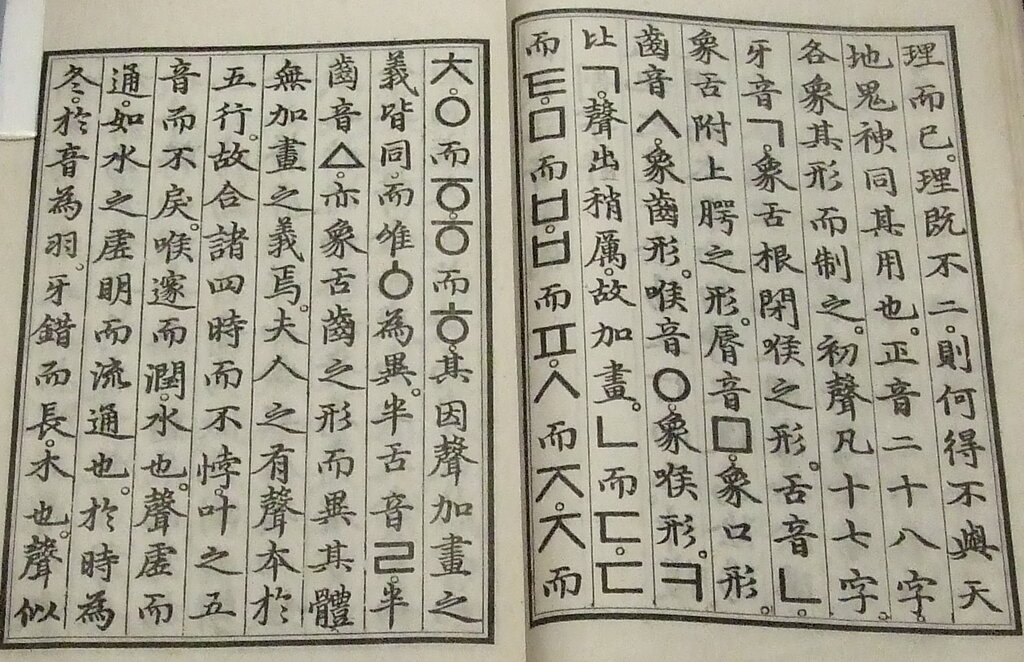
The genius of Hangul is its simplicity. It has 14 basic consonants and 10 basic vowels. Once you learn these, you can read almost any Korean word.
The Basic Vowels
The ten basic vowels were created from just three simple shapes, each with a philosophical meaning:
- A horizontal line (ㅡ) represents the flat Earth.
- A vertical line (ㅣ) represents a human standing upright.
- A short dash, originally a dot (•), represents Heaven.
Combining these three shapes gives you all the basic vowels.
Here are the 10 basic vowels. Notice how each one is a combination of those three core shapes.
| Vowel | Romanization | Approximate Sound |
|---|---|---|
| ㅏ | a | like in ah, father |
| ㅑ | ya | like in yard |
| ㅓ | eo | like in sun, song |
| ㅕ | yeo | like in young |
| ㅗ | o | like in go, boat |
| ㅛ | yo | like in yo-yo |
| ㅜ | u | like in boot, moon |
| ㅠ | yu | like in you |
| ㅡ | eu | like 'uh', pull lips wide |
| ㅣ | i | like in see, meet |
The Basic Consonants
The shapes of the basic consonants are not random. They were designed to look like the shape your mouth or tongue makes when you produce the sound.
For example, the consonant ㄱ makes a 'g' or 'k' sound. Its shape mimics the back of the tongue touching the roof of the mouth.
Adding a stroke to a basic consonant often creates a related, stronger sound. For example, adding a stroke to ㄱ (g/k) makes ㅋ (k), a more aspirated sound.
Here are the 14 basic consonants.
| Consonant | Name | Romanization | Approximate Sound |
|---|---|---|---|
| ㄱ | giyeok | g / k | go / sky |
| ㄴ | nieun | n | nose |
| ㄷ | digeut | d / t | day / stop |
| ㄹ | rieul | r / l | run / lamp |
| ㅁ | mieum | m | mom |
| ㅂ | bieup | b / p | bed / spot |
| ㅅ | siot | s | sea |
| ㅇ | ieung | ng / silent | sing / (placeholder) |
| ㅈ | jieut | j | jam |
| ㅊ | chieut | ch | chair |
| ㅋ | kieuk | k | kite |
| ㅌ | tieut | t | top |
| ㅍ | pieup | p | pan |
| ㅎ | hieut | h | hat |
A quick note on ㅇ: When it comes at the beginning of a syllable block, it's a silent placeholder. When it's at the bottom, it makes the 'ng' sound like in 'sing'.
Building Syllable Blocks
As mentioned, Hangul letters aren't written in a straight line. They're grouped into blocks that represent one syllable. Each block fits neatly into a square space.
Every syllable block must have at least one consonant and one vowel. The simplest block is just a consonant followed by a vowel.
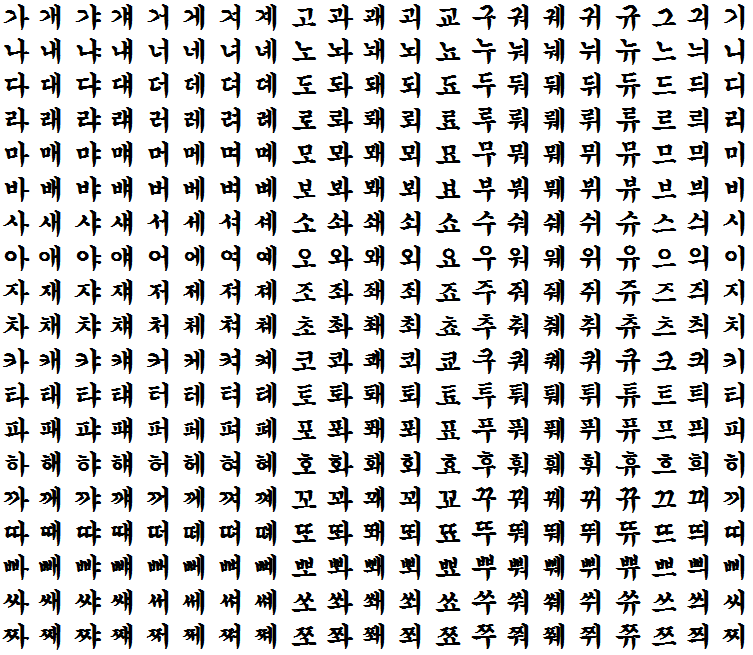
The arrangement of letters in a block depends on the shape of the vowel.
-
Vertical Vowels: For tall, vertical vowels like ㅏ, ㅑ, ㅓ, ㅕ, and ㅣ, the consonant sits to the left.
Example: The consonant ㄴ (n) + the vowel ㅏ (a) = 나 (na).
-
Horizontal Vowels: For wide, horizontal vowels like ㅗ, ㅛ, ㅜ, ㅠ, and ㅡ, the consonant sits on top.
Example: The consonant ㅁ (m) + the vowel ㅗ (o) = 모 (mo).
-
Final Consonants: A syllable can also have a final consonant, called a batchim (받침). This third letter always goes on the bottom of the block.
Example: The consonant ㅂ (b) + the vowel ㅏ (a) + the consonant ㅂ (b) = 밥 (bap), the word for 'rice'.
Remember the silent consonant ㅇ? You use it as a placeholder when a syllable starts with a vowel sound. For example, the vowel 'a' (ㅏ) can't form a block by itself. So you add ㅇ to get 아 (a).
Stroke Order
Just like in many other writing systems, Hangul characters are written with a specific stroke order. Following the correct order will help you write characters neatly and correctly. The two basic rules are very simple:
- Write from top to bottom.
- Write from left to right.
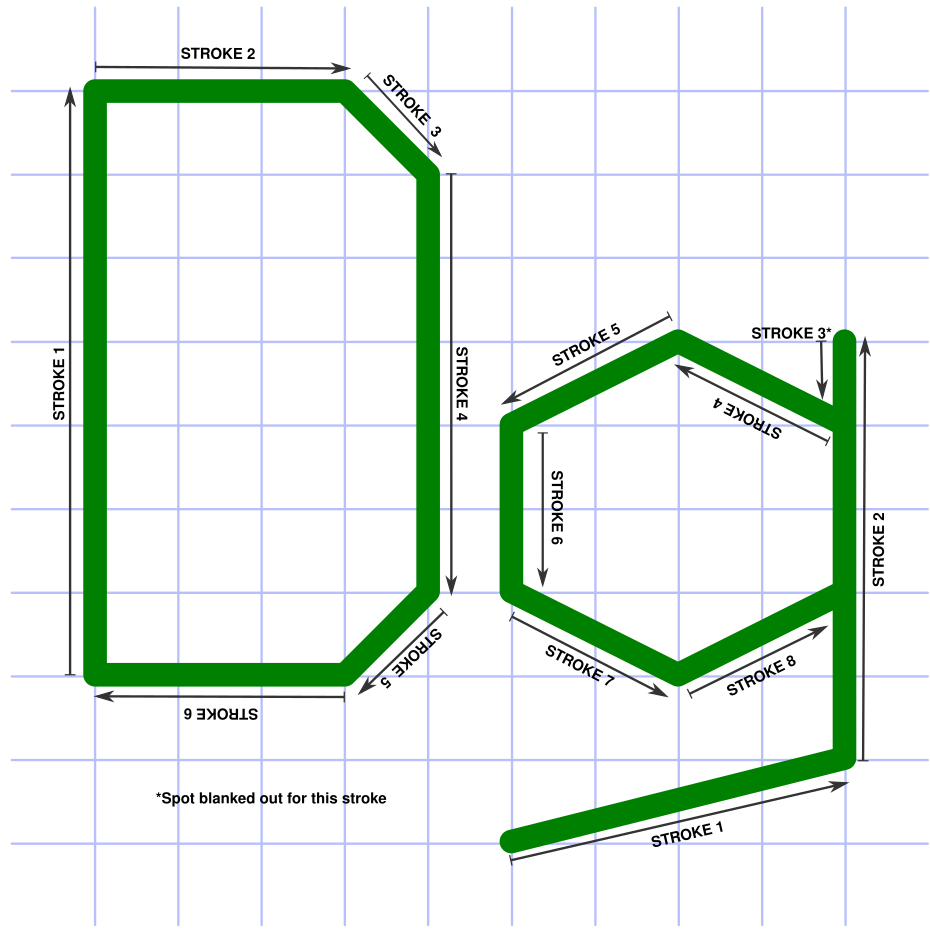
For example, to write the consonant ㄱ, you write the horizontal stroke first (left to right), then the vertical stroke (top to bottom). For the vowelㅏ, you write the long vertical stroke first (top to bottom), then the short horizontal stroke (left to right).
Practicing this will make your handwriting much more natural.
What is the Korean alphabet called?
True or False: The shapes of Hangul's basic consonants were designed to mimic the shape of the mouth or tongue when making the sound.
That's your first look at the Korean alphabet! By learning these basic pieces, you've taken the most important step toward reading and writing Korean.